




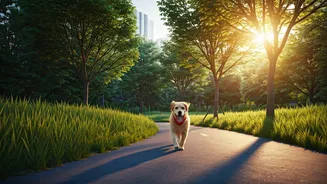


The New Urban Sunrise
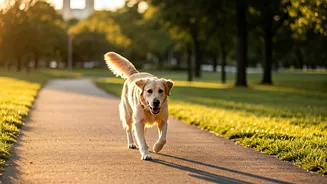
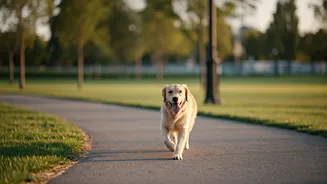
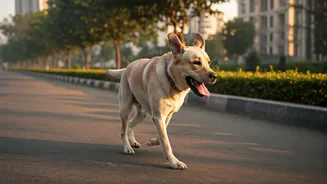
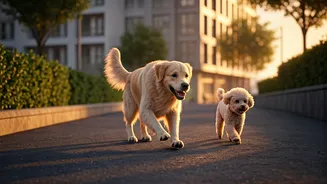
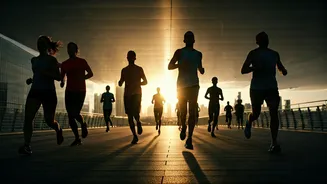
It’s a ritual that begins just after dawn. As the sun filters through the morning haze, dozens of runners, clad in performance gear, gather at the edges of city parks and along designated promenades. But they aren’t alone. By their sides are leashed companions
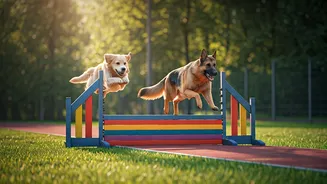
of every shape and size: energetic Labradors, majestic German Shepherds, and a growing number of Indie dogs, or desi, the resilient native street dogs now finding homes. This isn't just a walk; it's a dedicated, focused run. These groups, often organized informally through WhatsApp or Instagram, have become a fixture of urban life. In places like Cubbon Park in Bengaluru or the Worli Sea Face in Mumbai, the morning dog run has evolved from a solitary chore into a communal experience, a shared appointment that brings structure and social connection to the start of the day.
From Guard Dog to Fur Baby
To understand the significance of this trend, one has to understand the seismic shift in India's relationship with pets. For generations, dogs were largely seen as functional animals—kept outside to guard the home, fed leftovers, and rarely considered part of the family unit. The concept of a “pet” as a cherished, indoor companion was a Western luxury, largely confined to a tiny elite. Today, that has been turned on its head. A burgeoning, globally connected middle class has embraced the idea of the “fur baby.” Driven by rising disposable incomes, increased exposure to global media, and a delay in marriage and childbirth among urban millennials, pets have been welcomed into the home and the heart. They sleep on beds, eat specialized organic food, have their own social media accounts, and are central to their owners' emotional lives. The morning run is a physical manifestation of this new bond—an activity that serves the health and happiness of both human and animal.
Wellness, Status, and Social Currency
The rise of the dog-running phenomenon is intertwined with India’s embrace of the global wellness movement. Just as yoga studios and organic cafes have proliferated, so has the idea of an active, health-conscious lifestyle. For many young professionals navigating high-stress jobs, the morning run is a non-negotiable form of self-care. Bringing their dog along adds a layer of joy, accountability, and purpose. There's also a subtle element of social currency at play. Owning a well-groomed, pedigreed dog (or, increasingly, a rescued and rehabilitated Indie dog) and participating in these public displays of responsible pet ownership signals a certain modern, progressive identity. It’s a way of demonstrating a lifestyle that is both compassionate and disciplined, aligning with the aspirations of India’s new economy workforce.
Building Community in the Concrete Jungle
Perhaps the most powerful driver of this trend is the search for community. India's cities are vibrant but can also be anonymous and isolating, especially for the millions who migrate there for work. Traditional community structures are often left behind. The dog-running club has emerged as a new kind of “third place”—a space outside of home and work where connections are forged. Conversations that start with a compliment about a dog can lead to friendships, business networking, and even romance. The dogs act as social lubricants, breaking down the barriers that often exist in a society still stratified by class and background. In the park, everyone is simply a runner and a dog lover, part of a pack finding its way together through the urban landscape.