





The Challenge of a 'Dry' Flood
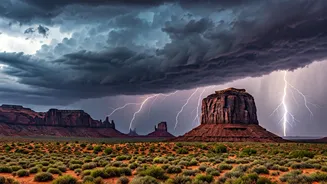
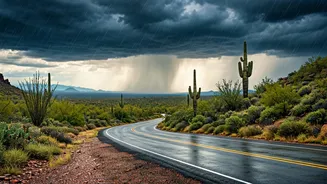
In places like Arizona and New Mexico, the North American monsoon doesn't bring gentle summer showers. It delivers intense, localized deluges that dump massive amounts of water in a short time. For a traditional garden, this is a disaster. The hard, sun-baked
soil can’t absorb the rain fast enough, leading to flash flooding that washes away precious topsoil, erodes garden beds, and drowns delicate plants. For decades, the standard approach was to channel this water away as quickly as possible through gutters and storm drains, treating it as a nuisance. But as climate change intensifies both droughts and storms, residents and community groups are realizing that this “nuisance” is actually a precious, squandered resource. This shift in thinking is the foundation of monsoon-ready gardening: a system designed not to fight the flood, but to welcome it.
Harnessing the Deluge
The core principle of a monsoon-ready garden is passive rainwater harvesting. Instead of raised beds that shed water, gardeners are being taught to think in terms of depressions. By creating simple earthworks like basins, swales, and berms, they can slow, spread, and sink the rainwater exactly where it’s needed. Imagine digging a shallow basin around a fruit tree or contouring a garden bed to act like a miniature valley. When the monsoon hits, these features fill up like temporary ponds, allowing the water to soak deep into the soil profile rather than running off into the street. This creates a reservoir of moisture that can sustain plants for weeks. Organizations like Tucson’s Watershed Management Group have become leaders in this push, offering workshops that teach homeowners how to reshape their yards to “plant the rain,” turning a source of erosion into a free and abundant irrigation system.
The Right Plants for the Job
A monsoon-ready garden requires more than just smart water management; it needs the right team of players. This isn't simply about planting cacti. It’s about selecting edible plants that are adapted to the region's unique “boom and bust” water cycle. Many traditional garden vegetables, bred for consistent moisture, will rot in soil that goes from bone-dry to saturated overnight. Instead, experts are encouraging the use of native and arid-adapted crops. These include staples of Indigenous agriculture like tepary beans, which thrive on monsoon rains, and heat-loving amaranth. Certain varieties of squash, corn, and chilies that have been cultivated in the Southwest for centuries are also perfectly suited for these conditions. These plants not only survive but flourish, their life cycles perfectly timed to the arrival of the summer rains. For gardeners, this means less work, less supplemental watering, and a harvest that is truly a product of its environment.
More Than Just a Garden
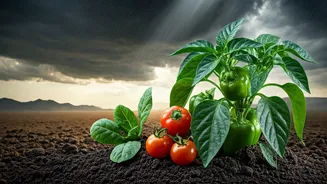
This movement is about far more than just growing tomatoes. In a region grappling with a historic, decades-long megadrought and dwindling water supplies from sources like the Colorado River, every drop of water saved matters. By capturing rainwater on-site, monsoon gardening reduces demand on municipal water systems. It also helps combat the urban heat island effect, as well-watered vegetation creates a cooler microclimate. Furthermore, it enhances local food security by enabling residents to grow their own produce, even in the face of a changing climate. These gardens become small but powerful acts of ecological restoration. They rebuild soil health, support pollinators, and connect people to the natural rhythms of their environment. What starts as a simple desire for a better garden becomes a tangible, grassroots contribution to community resilience.