




Beyond Sweetness: The New Mocktail Era
For years, ordering a non-alcoholic drink at a bar felt like a compromise. You’d get a glass of juice, a soda with a lime, or a cloyingly sweet concoction designed to mimic a cocktail but missing all the nuance. That era is officially over. Driven by
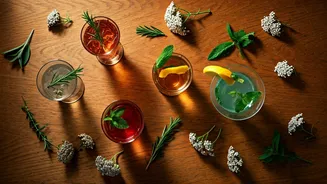
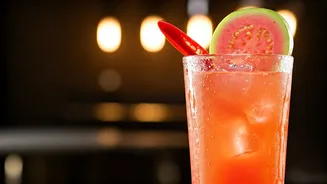
the “sober curious” movement and a growing demand for sophisticated adult beverages without the booze, mixologists and home enthusiasts are exploring a new frontier: savory flavors. Instead of trying to replicate a Margarita, they’re creating entirely new drinks that stand on their own. These beverages are built on complexity, using bitterness, earthiness, and herbal notes to create a drinking experience that’s just as engaging as a traditional cocktail.
From the Land: Rediscovering Native Herbs
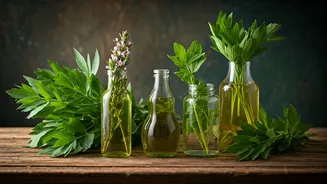
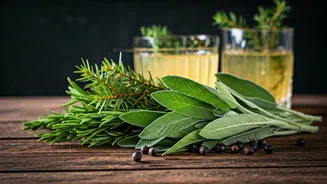
The stars of this trend are herbs that grow wild across the United States—ingredients that have been part of indigenous foodways for centuries but are now finding new life in modern mixology. We’re not talking about the familiar mint or basil from your garden planter. Think instead of the resinous, pine-like aroma of juniper berries, the wild, slightly bitter notes of yarrow, or the earthy, grounding scent of desert sagebrush. Other botanicals like sweetgrass, mugwort, and even fir tips are being used to infuse waters, non-alcoholic spirits, and shrubs (drinking vinegars). These ingredients bring a sense of terroir—a taste of a specific place—to the glass, connecting the drinker to the local landscape in a potent, aromatic way.
Why It’s Happening Now
This trend didn’t appear in a vacuum. It sits at the intersection of several major cultural shifts. First, there's the wellness-driven desire for low-sugar, functional beverages. People want drinks that feel restorative, not just empty calories. Second is a renewed interest in foraging and localism, as consumers look for more sustainable and authentic ways to connect with their food and environment. Finally, social media platforms like TikTok and Instagram have become visual recipe books, where creators can quickly share the beauty of steeping wild herbs or the satisfying fizz of a finished botanical soda. A short, aesthetic video of someone crafting a sage-infused spritzer is far more compelling than a written recipe, helping the trend spread quickly and inspiring others to experiment.
The Art of the Savory Infusion
So how does it work? The primary technique is infusion. It’s a simple process of steeping herbs in a liquid to extract their flavor and aroma. For mocktails, this can be done in several ways. A “hot” infusion involves simmering herbs in water to create a potent tea, which then becomes the base of the drink. A “cold” infusion involves leaving herbs to steep in cool water, a non-alcoholic gin alternative, or even vinegar for several hours or days. This gentler method often produces a fresher, more delicate flavor. The resulting liquid can be mixed with sparkling water, tonic, or citrus to create a balanced drink. The key is to let the herb’s natural character shine through without overpowering it with sugar or other strong flavors.
Your First Step into Savory Sips
Curious to try it? You don’t need to be an expert forager. Start with easily identifiable and safe ingredients. If you have rosemary in your yard, try making a simple syrup by simmering it with sugar and water, then add it to sparkling water with a squeeze of grapefruit. Seek out pre-made botanical syrups from small-batch producers at your local farmers market. A great entry-level combination is a juniper-forward tonic. Simply muddle a few juniper berries (available in most spice aisles) at the bottom of a glass, add a quality tonic water, and garnish with a sprig of rosemary and a lemon peel. It’s a simple, elegant drink that captures the woodsy, complex spirit of this exciting new movement.