





The Search for a Vibe, Not a Crowd
For decades, the American travel calendar was predictable. Families flocked to the coasts in June, college students descended on warm climates in March, and major holidays created frantic, expensive travel spikes. But for many Gen Z and millennial travelers,
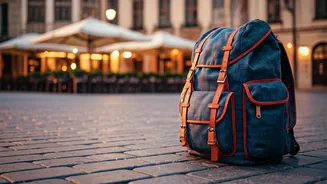
that model is officially broken. They're looking at the chaos of peak-season travel—the long lines, the inflated prices, the selfie sticks clashing at every viewpoint—and asking a simple question: Is this really worth it? The answer, increasingly, is no. This isn't just about avoiding a headache; it's a fundamental shift in values. The new travel currency isn't just about where you go, but the quality of the experience when you get there. An off-season trip to Rome in November or the rocky coast of Maine in April offers something peak season cannot: breathing room. It’s the chance to hear your own thoughts in a museum, to get a table at a local café without a reservation, and to feel like you're discovering a place, not just consuming a pre-packaged tourist product.
Pragmatism in the Age of Inflation
Let's be clear: this trend is fueled by savvy economics as much as it is by vibes. Younger travelers are navigating a challenging financial landscape defined by inflation, student loan payments, and a high cost of living. A European summer vacation, once a rite of passage, now comes with a price tag that can feel prohibitive. The off-season, or the slightly less-trafficked “shoulder seasons” of spring and fall, presents a brilliant financial hack. Flight and accommodation prices can drop by 25-50% or more compared to their summer peaks. That dramatic price difference doesn't just make a trip possible; it transforms it. The money saved on a flight can mean upgrading from a hostel to a boutique hotel, splurging on a Michelin-starred meal, or extending a trip by several days. It’s a strategic choice to maximize value, turning financial constraints into an opportunity for a better, longer, or more luxurious experience. For a generation that's masterfully adept at finding life hacks online, applying the same logic to travel is a natural next step.
The Social Media Authenticity Paradox
Social media plays a complicated role in this shift. On one hand, Instagram and TikTok have been blamed for creating “over-tourism” by popularizing certain picturesque spots. But on the other, they're also driving the push for originality. The ultimate flex on social media is no longer the cliché photo of the Eiffel Tower surrounded by a thousand other people. It’s the moody, atmospheric shot of a quiet Venetian canal in the fog, or a video of you being the only person on a stunning Greek beach in October. This creates an “authenticity paradox”: the desire for a unique, seemingly undiscovered experience that is still visually appealing enough to share. Off-season travel is the perfect solution. It delivers the iconic locations but strips away the crowds, allowing for a more personal and photogenic connection to the place. The aesthetic is less “hectic tourist” and more “thoughtful wanderer,” a mood that resonates deeply with a generation that values personal narrative and curated self-expression.
Flexibility is the New Freedom
The final ingredient in this off-season cocktail is the changing nature of work and life. While not universal, the rise of remote and hybrid work has untethered a significant number of young professionals from the traditional 9-to-5 desk job and its rigid vacation calendar. If you can work from anywhere, why not work from a cozy apartment in Lisbon for a month in the fall? This newfound flexibility allows travel to be integrated into life, rather than being a frantic escape from it. Furthermore, there's a growing awareness of climate change's impact on seasons. A heatwave-stricken July in Southern Europe can be genuinely unpleasant and even dangerous. A milder, more comfortable October or May is increasingly seen not as a compromise, but as a more desirable time to visit. This combination of professional flexibility and climate awareness makes the shoulder and off-seasons the most logical and enjoyable times to explore.