





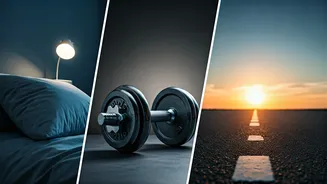
From 'No Days Off' to 'Smart Days On'
The old-school fitness playbook had two main chapters: diet and exercise. You lifted heavy things, ran long distances, and maybe ate some chicken and broccoli. Rest was often seen as a sign of weakness—a necessary evil rather than a strategic tool. The hero
of the story was the person who dragged themselves to the gym on three hours of sleep, powered by sheer grit and a double espresso. This was the gospel of 'hustle culture' applied to our bodies. Now, that gospel is being rewritten. Trainers, athletes, and fitness companies are finally acknowledging the third, equally critical pillar of health: sleep. The new philosophy isn't about working less; it's about recovering smarter so you can work harder when it counts. It’s a shift from a mindset of 'no days off' to one of 'smart days on,' where recovery is actively programmed into your week, not just something that happens by accident when you’re too sore to move.
The Tech That Made Us Listen
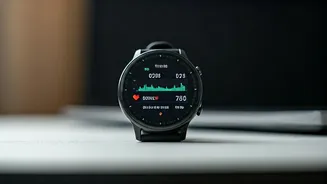
So, why now? A huge part of the answer is strapped to our wrists. Wearable technology like the Oura Ring, Whoop band, and advanced smartwatches has democratized data that was once reserved for elite sleep labs. These devices turned the abstract concept of “a good night’s sleep” into a concrete, color-coded score. Suddenly, millions of people could see the direct impact of a late-night meal, an evening cocktail, or a stressful day on their heart rate variability (HRV), body temperature, and sleep stages. This flood of personal data created a feedback loop. When your watch tells you your 'Readiness Score' is in the red, you’re less likely to attempt a personal record on your deadlift. Instead, you might opt for a walk or some light stretching. This has forced the fitness industry to adapt. It’s no longer enough for a personal trainer to hand you a list of exercises; they’re now expected to understand how sleep impacts performance and help clients integrate recovery data into their training schedule.
More Than Just Muscle Repair
We’ve always known sleep helps with sore muscles, but the science now being integrated into mainstream fitness goes much deeper. Quality sleep is when your body does its most important hormonal work. It’s when growth hormone, crucial for repairing tissue, is at its peak. Simultaneously, it’s when cortisol, the stress hormone that can break down muscle and store fat, is at its lowest. Skimping on sleep throws this entire system out of whack. Chronic sleep deprivation can suppress testosterone levels, impair insulin sensitivity (making it harder to process carbs), and keep cortisol elevated. This doesn't just make you feel tired; it actively works against your fitness goals. It undermines muscle growth, stalls fat loss, and even weakens your immune system, increasing your risk of getting sidelined by a common cold. By treating sleep as a non-negotiable, new fitness blueprints are addressing the foundation upon which all physical progress is built.
What a Sleep-First Fitness Plan Looks Like
So what does this look like in practice? It’s not just about getting eight hours. A modern, sleep-integrated fitness plan might involve scheduling a 'deload week'—a period of lighter training—after a string of nights with poor sleep scores. It could mean swapping a high-intensity interval session for steady-state cardio on a day when your HRV is low. It also means the 'workout' doesn't end when you leave the gym. These new blueprints include prescriptions for a 'wind-down' routine: think no screens an hour before bed, a consistent bedtime, a cool and dark room, and maybe some light stretching or meditation. Coaches are teaching clients that their pre-bed routine is as important as their pre-workout warmup. It’s a holistic, 24-hour approach that recognizes that the adaptations from your workout happen not when you’re sweating, but when you’re sound asleep.