





The Rise of Agri-Tourism
Once a niche concept, agri-tourism—travel centered on agricultural experiences—is booming. Modern travelers, weary of cookie-cutter itineraries, are seeking authenticity and connection. They don't just want to taste local food; they want to see where
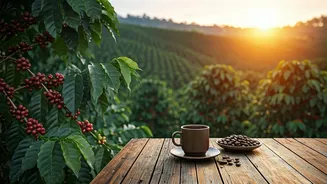
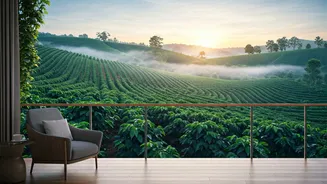
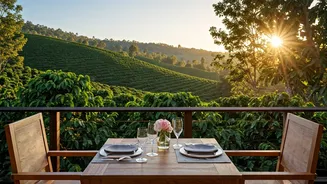
it comes from, meet the people who produce it, and understand the process. Coffee plantations, with their stunning landscapes and rich cultural history, are perfectly positioned to meet this demand. A stay on a coffee farm, or *finca*, offers a multi-sensory experience that combines relaxation, education, and a deep appreciation for one of the world's most beloved beverages. It’s a vacation that engages your palate, your curiosity, and your soul.
Colombia: The Classic Finca Experience
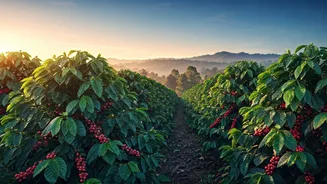
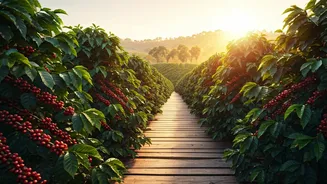
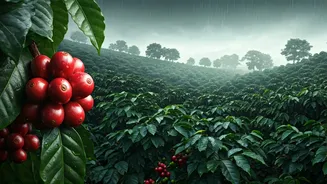
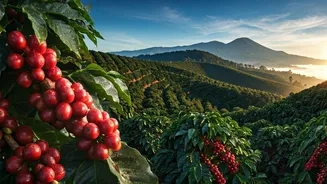
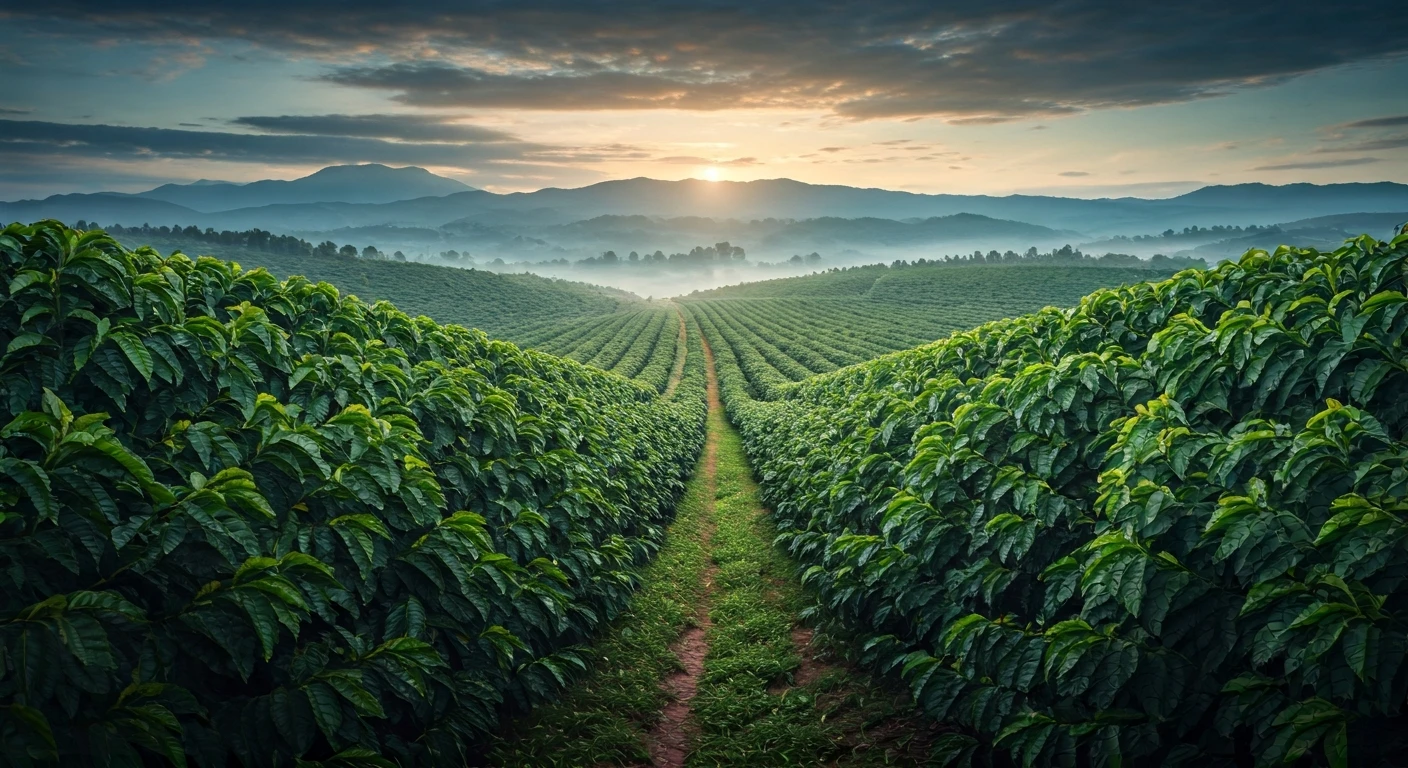
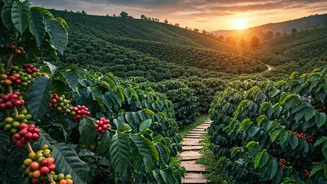
When you picture a coffee plantation, you’re likely imagining Colombia’s “Eje Cafetero” (Coffee Axis). This UNESCO World Heritage region is the heartland of coffee tourism, dotted with traditional family-run *fincas* that have opened their doors to guests. Here, you can stay in charmingly rustic farmhouses surrounded by steep, emerald-green hills. The experience is deeply immersive. Days are spent hiking through coffee fields, learning to hand-pick the ruby-red coffee cherries, and participating in “bean-to-cup” tours that cover everything from washing and drying the beans to roasting and, finally, a proper tasting session (known as cupping) with the farm’s owner. It’s a world away from your local café.
Costa Rica: Where Coffee Meets Conservation
In Costa Rica, coffee tourism is intertwined with the nation’s famous commitment to sustainability and ecotourism. Many coffee farms in the Central Valley, surrounding the capital of San José, double as eco-lodges, operating with a deep respect for the environment. Here, the focus is often on organic and shade-grown coffee, which helps preserve biodiversity. Stays often include bird-watching tours (the same forests that shelter birds also shade the coffee), night walks to spot nocturnal wildlife, and lessons on sustainable farming practices. It’s an ideal destination for travelers who want their caffeine fix to come with a clear conscience, proving that a great cup of coffee and a healthy planet can go hand-in-hand.
Hawaii: An American Coffee Paradise
You don't need a passport to experience a world-class coffee plantation stay. The Kona coffee belt on the Big Island of Hawaii offers a uniquely American take on the trend. Grown on the volcanic slopes of Hualalai and Mauna Loa, Kona coffee is famous for its smooth, rich flavor. Accommodations here range from cozy B&Bs nestled within small family farms to more luxurious boutique hotels overlooking the Pacific. The experience is often a blend of agricultural education and island relaxation. You can spend the morning learning about the meticulous process of growing and processing one of the world's most expensive coffees and the afternoon snorkeling or lounging on a nearby beach. It’s the perfect marriage of a farm stay and a tropical getaway.
The Ultimate Sensory Getaway
Ultimately, the reason coffee plantation stays are “winning big” is simple: they offer a richer, more memorable travel experience. Waking up to the aroma of blossoms and freshly roasted beans is a sensory delight. The simple act of drinking your morning cup becomes profoundly meaningful when you’ve met the person who grew the beans and have seen the journey it took to fill your mug. This kind of travel fosters a connection—to the land, to a culture, and to the daily rituals we often take for granted. It replaces passive consumption with active participation, turning a simple vacation into a story you’ll be eager to tell.