






The Vegan Curry Conundrum
Anyone who grew up with or fell in love with South Asian cuisine knows the soul-deep satisfaction of a great curry. Specifically, the rich, slow-cooked meat dishes—a deeply spiced rogan josh with tender lamb, a peppery goat karahi, or a hearty beef bhuna.
The magic isn't just in the spice blend; it's in the texture. It’s the way the meat yields to a fork, shredding slightly and clinging to the thick, aromatic gravy. Replicating this experience for a plant-based diet has long been the holy grail for vegan and vegetarian cooks.
Tofu, for all its versatility, often remains distinctly separate from the sauce, never quite marrying with it. Seitan can get the chew right, but sometimes carries a wheaty aftertaste that feels out of place. Commercial meat substitutes, while improving, can taste overly processed and pull focus from the complex, layered spices that define Desi cooking. The challenge wasn't just finding something to absorb flavor, but finding something with the structural integrity and textural payoff of slow-cooked meat. It needed to feel substantial, not just like vegetables sitting in a sauce.
A Fruit That Thinks It's Meat
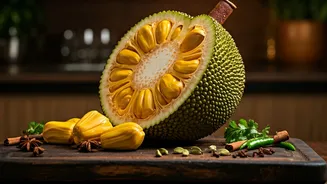
Enter green jackfruit. For many Americans, the word “jackfruit” might conjure images of a massive, spiky tropical fruit with a cloyingly sweet, bubblegum-like flavor. That’s ripe jackfruit, and it has no place in a savory curry. The real star is its younger, unripe counterpart. Harvested before its sugars develop, green jackfruit has a neutral, starchy flavor profile, making it a perfect canvas for spices. It tastes vaguely of artichoke hearts or potatoes, meaning it doesn't compete with the turmeric, coriander, and garam masala you’re layering into the pot.
But its true superpower is its texture. When cooked, the fibrous flesh of young jackfruit breaks down into tender, stringy pieces that are uncannily similar to pulled pork or shredded chicken. In a rich curry, it braises beautifully, soaking up every drop of the gravy while maintaining a satisfying, meaty chew. It shreds, it yields, it holds its own. Unlike tofu, it becomes one with the sauce. This textural mimicry is what allows it to stand in for lamb or goat in a way no other plant-based option quite can. It provides the heft and mouthfeel that makes a curry feel like a proper, centerpiece meal.
Not New, Just Rediscovered
Here’s the crucial part of why jackfruit feels so “properly Desi”: it’s not a Silicon Valley import or a Western vegan fad being retrofitted onto South Asian food. It's a homecoming. In India, Bangladesh, and Sri Lanka, unripe jackfruit, known by names like *kathal*, *enchor*, or *polos*, has been a staple in savory cooking for centuries. It’s often called the “vegetarian’s meat” and has long been used to create substantial, vegetable-forward dishes.
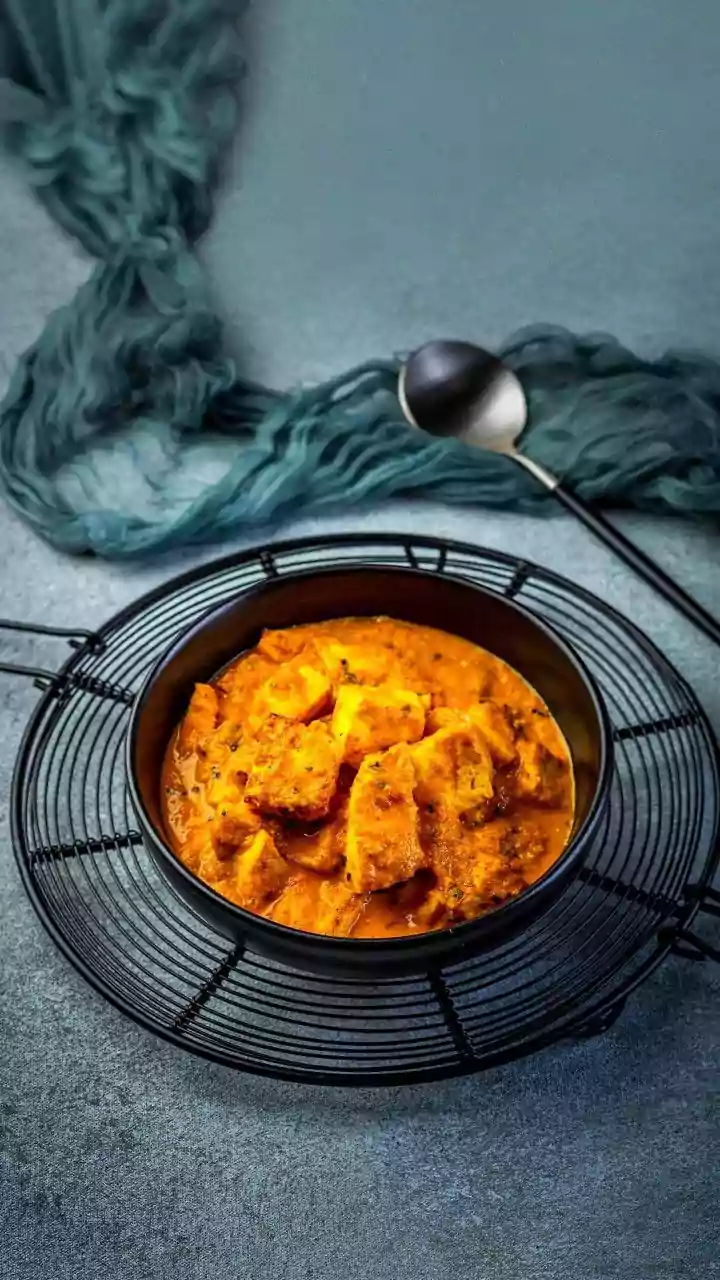
A classic North Indian dish, *kathal ki sabzi*, is essentially a jackfruit curry, where the chunks are fried and then simmered in a spicy tomato-onion gravy until tender. In Bengal, *enchorer dalna* is a celebrated dish that treats the young jackfruit with the same reverence as meat. The use of jackfruit in savory applications is deeply embedded in the culinary DNA of the subcontinent. So, when a modern vegan cook uses jackfruit to replicate a lamb curry, they aren’t forcing a foreign ingredient into the cuisine. They are simply adapting a traditional ingredient to a new purpose, tapping into a lineage of cooking that has always understood jackfruit’s meaty potential.
Bridging Generations and Diets
This authenticity is resonating powerfully within the South Asian diaspora in the U.S. For many second- and third-generation Desi Americans who are choosing plant-based lifestyles, jackfruit has become a culinary bridge. It allows them to recreate the nostalgic flavors of their parents' and grandparents' cooking without compromising their dietary ethics. They can make their mom’s signature curry, the one that smells like home and comfort, but do it with jackfruit instead of goat.
It’s a way to participate in family food traditions and honor their heritage while staying true to their own values. Chefs in modern Indian restaurants are also embracing it, putting jackfruit biryanis and jackfruit curries on their menus that appeal to vegans and omnivores alike. They recognize that it doesn't feel like a concession. Instead, it feels like an authentic, clever, and delicious expression of a cuisine that has always been brilliant at transforming humble vegetables into something spectacular.