



The Exhausting Reign of the Plant Diva
For years, the gold standard of indoor greenery was the architectural statement plant. Think of the fiddle-leaf fig, a statuesque beauty that graced the cover of every design magazine and the corner of every influencer’s living room. It was beautiful,
expensive, and, for most people, impossible to keep alive. These plants are the divas of the botanical world. They demand perfect lighting, a specific watering schedule, just the right humidity, and seem to drop their leaves in protest if you so much as look at them the wrong way. The same goes for the stunning but notoriously fussy Calathea, with its intricate patterns and tendency to develop brown, crispy edges at the slightest provocation. We bought into the aesthetic, but many of us were left with a pot of soil, a leafless stick, and a deep sense of horticultural failure.
Why We're Craving Simplicity and Flow
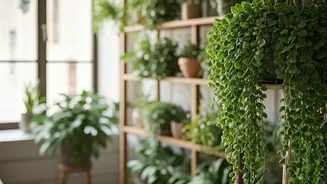
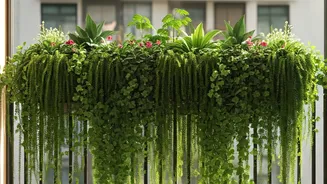
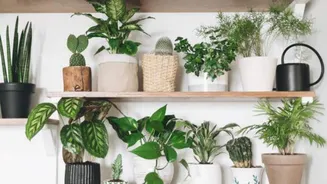
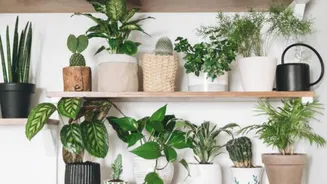
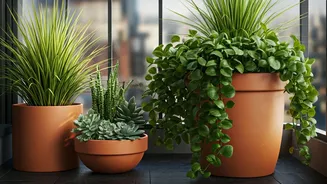
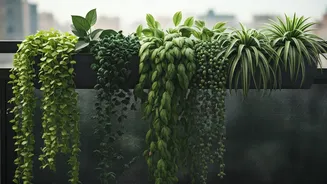
The shift towards trailing plants isn't just about avoiding botanical heartbreak; it reflects a broader cultural desire for ease, resilience, and a more organic aesthetic. In our increasingly busy lives, we want our homes to be sanctuaries, not another source of stress. We’re craving hobbies that give back more than they take. Trailing plants fit this new mindset perfectly. They are, by and large, forgiving. Forget to water them for a week? They’ll probably be fine. Give them less-than-ideal light? They’ll adapt. Instead of demanding perfection, they offer a sense of lush abundance with minimal effort. Their cascading vines soften the hard lines of modern living, turning sterile corners and empty shelves into living waterfalls of green. They make a space feel lived-in, peaceful, and vibrant.
The All-Star: Golden Pothos
If there's a poster child for the low-maintenance movement, it’s the Golden Pothos (Epipremnum aureum). This plant is practically indestructible. It thrives in bright, indirect light but will happily tolerate low-light conditions, making it perfect for that dim corner of your apartment. Its heart-shaped leaves, variegated with splashes of yellow, grow on vines that can reach impressive lengths in a short amount of time. You can let it spill over a bookshelf, hang it from the ceiling, or even train it to climb a wall. The Pothos is the ultimate confidence-builder for the novice plant parent. It’s so easy to propagate that a single plant can soon become a dozen, allowing you to fill your home with green or share with friends. It’s not just a plant; it’s a generous, ever-giving companion.
The Romantic: Heartleaf Philodendron
Often mistaken for the Pothos, the Heartleaf Philodendron (Philodendron hederaceum) is its equally charming and easygoing cousin. Its key difference is its distinctly heart-shaped, deep green leaves that feel soft and almost velvety to the touch. This plant has a more delicate, romantic vibe. It’s incredibly versatile and communicates its needs clearly; its leaves will start to look a little droopy when it's thirsty, perking right back up after a good drink. Like the Pothos, it’s tolerant of a wide range of lighting conditions and isn’t fussy about humidity. It’s the perfect plant for a bedroom or a cozy reading nook, where its graceful, trailing stems can create a sense of calm and tranquility.
The Showstopper: String of Pearls
For those ready to graduate to something a bit more unique, the String of Pearls (Senecio rowleyanus) is an absolute showstopper. This succulent isn’t a vine but a collection of trailing stems adorned with small, spherical leaves that look exactly like their namesake. Hung in a window where the light can shine through its 'pearls,' it creates a stunning, almost ethereal effect. It does have slightly more specific needs than a Pothos—it requires bright, indirect light and, as a succulent, is very sensitive to overwatering. The key is to let its soil dry out completely between waterings. The payoff for this small bit of extra attention is a truly unique and mesmerizing plant that serves as a living piece of art.