




The Green-Leafed Dilemma
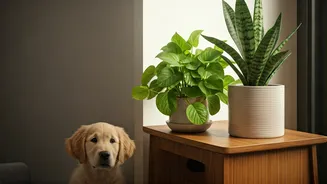
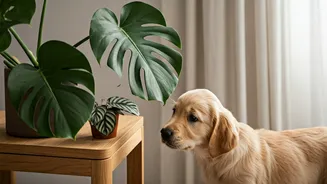
Over the past several years, Americans have enthusiastically embraced indoor gardening. From sprawling Monsteras to elegant snake plants, greenery has become a staple of modern interior design. But as our living rooms fill with foliage, a quiet risk has grown
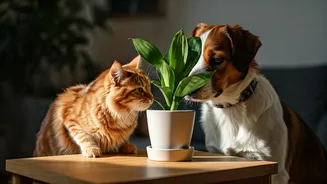
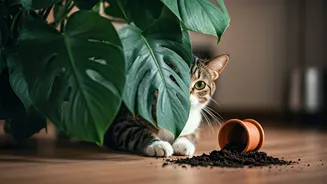
alongside them. For the nearly 70% of U.S. households that own a pet, this trend presents a serious challenge. The American Society for the Prevention of Cruelty to Animals (ASPCA) continually updates its comprehensive database of plants toxic to dogs, cats, and other animals. While not a single, formal "report," this invaluable public resource serves as ongoing homework for responsible pet parents. A curious nibble on the wrong leaf can lead to anything from mild indigestion to a life-threatening emergency, turning a decorative choice into a serious health hazard.
The Most Wanted List: Dangerously Common Plants
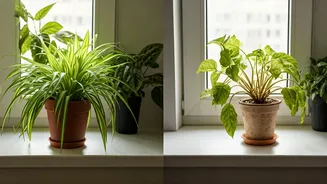
Part of the challenge is that some of the most popular and Instagrammable houseplants are also some of the most dangerous. Doing your homework starts with knowing which common plants pose the biggest threat. **Lilies:** For cat owners, this is Public Enemy No. 1. All parts of any true lily (like Tiger, Easter, and Stargazer lilies) are extremely toxic to felines. Ingesting even a tiny amount of the plant, or even pollen from grooming their fur, can cause irreversible kidney failure and death. Symptoms include vomiting, lethargy, and lack of appetite. **Sago Palm:** This popular ornamental plant looks like a miniature palm tree but is actually a cycad. It's incredibly dangerous for both dogs and cats. The entire plant is toxic, but the seeds contain the highest concentration of a poison called cycasin, which can cause severe liver failure. Initial signs might be vomiting and diarrhea, but internal damage can be catastrophic. **Dieffenbachia (Dumb Cane):** The nickname says it all. This plant contains insoluble calcium oxalate crystals that, when chewed, cause intense pain, swelling of the mouth and tongue, drooling, and difficulty swallowing. In severe cases, the swelling can block the airway. **Pothos and Philodendron:** These two trailing beauties are ubiquitous for being easy to care for. Unfortunately, they also contain those same irritating calcium oxalate crystals as Dieffenbachia, leading to similar, albeit usually less severe, oral irritation and digestive upset.
The Safe List: Decorate Without Worry
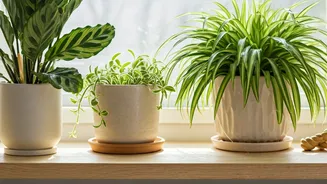
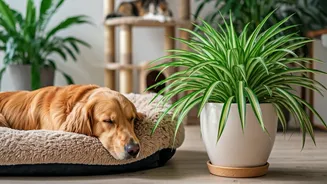
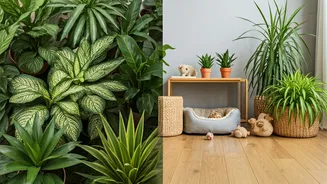
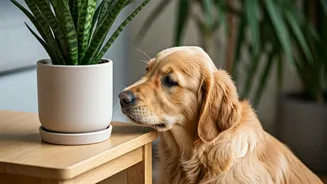
The good news is that you don’t have to choose between your pet and a beautiful, green home. There are plenty of stunning, non-toxic plants that are perfectly safe for curious paws and mouths. **Spider Plant:** This retro classic is not only safe but also a powerful air purifier. Its cascading baby “spiderettes” are fun to propagate and safe for pets to bat at. **Boston Fern:** A lush, feathery fern adds a touch of elegance to any room, and the Boston Fern is completely non-toxic to cats and dogs. **Haworthia (Zebra Plant):** If you love the look of succulents but know that many (like Jade and Aloe Vera) are toxic, the Haworthia is your answer. This spiky, striped succulent is perfectly safe. **Calathea (Prayer Plant):** Known for its beautifully patterned leaves that fold up at night, the Calathea family is non-toxic and adds a vibrant splash of color to your home. **Areca Palm:** If you want a larger, statement plant, the Areca Palm is a fantastic, pet-safe option that brings a tropical vibe indoors.
Beyond the Plant List: Proactive Pet-Proofing
Creating a pet-safe environment goes beyond just curating your plant collection. A multi-layered approach provides the best protection. First, assess your pet’s personality. Is your cat a climber? Is your dog a chewer? A plant that’s technically safe can still cause vomiting if a pet eats enough of it. Even if you only own “safe” plants, it’s wise to discourage your pets from snacking on them. Second, placement is key. Use hanging baskets, high shelves, or place plants in rooms that are off-limits to your pets. This is the best strategy if you’re unwilling to part with a mildly toxic plant like a Pothos. However, this is not a safe strategy for highly toxic plants like lilies if you own a cat. Finally, be prepared. Keep the number for your veterinarian and the ASPCA Animal Poison Control Center—(888) 426-4435—in a visible place. If you ever suspect your pet has ingested something toxic, call for professional advice immediately.