





A Royal Hunting Ground Reclaimed
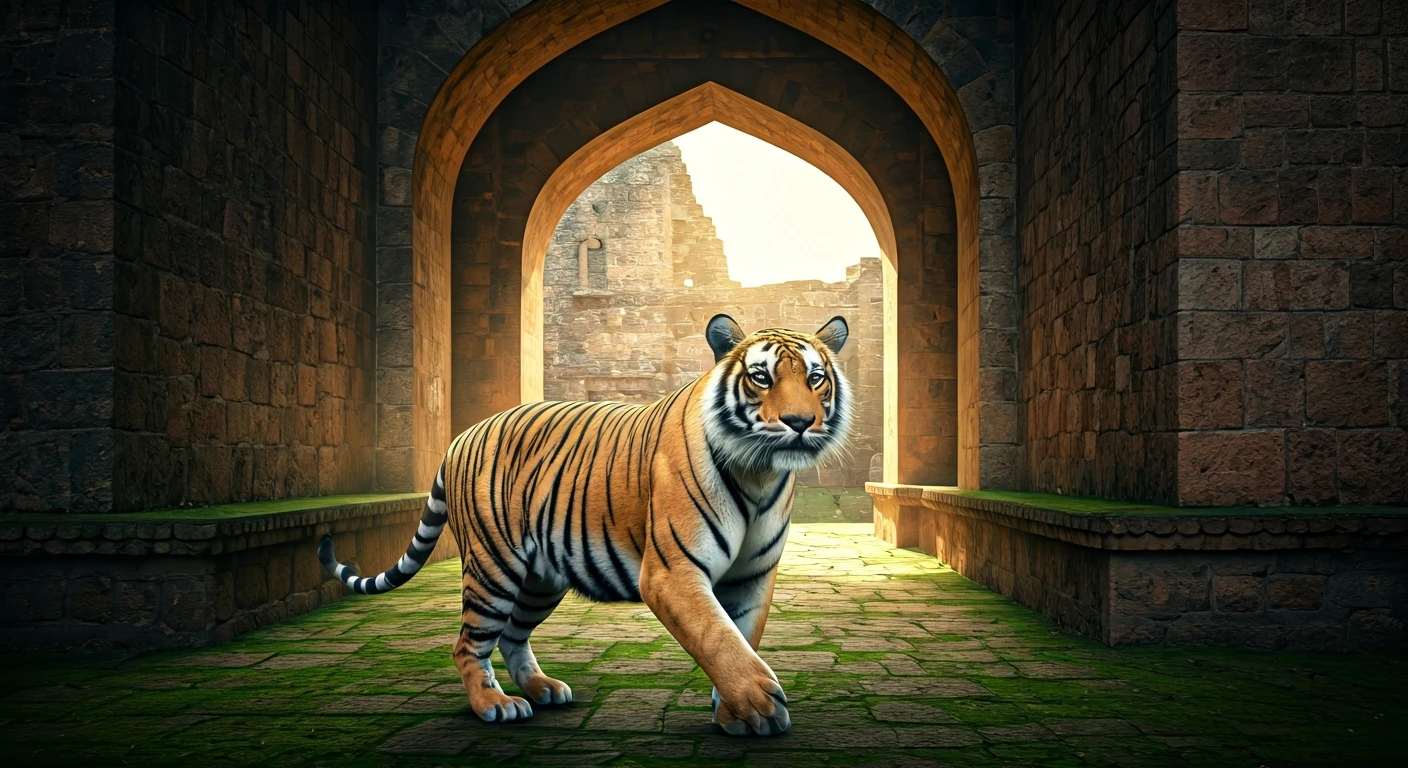
Before it was a sanctuary, Ranthambore was the private hunting ground of the Maharajas of Jaipur. Perched on a dramatic clifftop in the center of the park, the 10th-century Ranthambore Fort stands as a silent witness to its regal past. This history adds
a unique, almost cinematic layer to the safari experience. You aren’t just in a wilderness; you’re in a landscape layered with centuries of history, where ancient temples are being slowly reclaimed by the jungle and tigers lounge in the shade of old royal pavilions. Unlike the vast, open plains of an African safari, Ranthambore’s terrain of rocky crags, dense dhok forest, and shimmering lakes creates a sense of intimacy and mystery. It’s a park that feels both wild and storied, a perfect introduction to the complex soul of Rajasthan.
The Thrill of the Safari
The safari itself is an adventure in anticipation. It begins in the pre-dawn chill, rumbling through the gates in an open-air jeep called a “Gypsy” or a larger shared vehicle known as a “Canter.” The park is divided into ten zones to manage traffic and impact, and your assigned zone dictates your path. This is where the expertise of your guide and driver becomes paramount. They are translators of the jungle, reading fresh pugmarks in the dirt and listening for the alarm calls of spotted deer or langur monkeys—the natural warning system that signals a predator is on the move. Every rustle in the bushes, every birdcall, becomes a clue in a thrilling detective story. The chase isn't a high-speed pursuit, but a patient, methodical search that makes the final reveal all the more breathtaking.
Meeting the Stars: Bengal Tigers
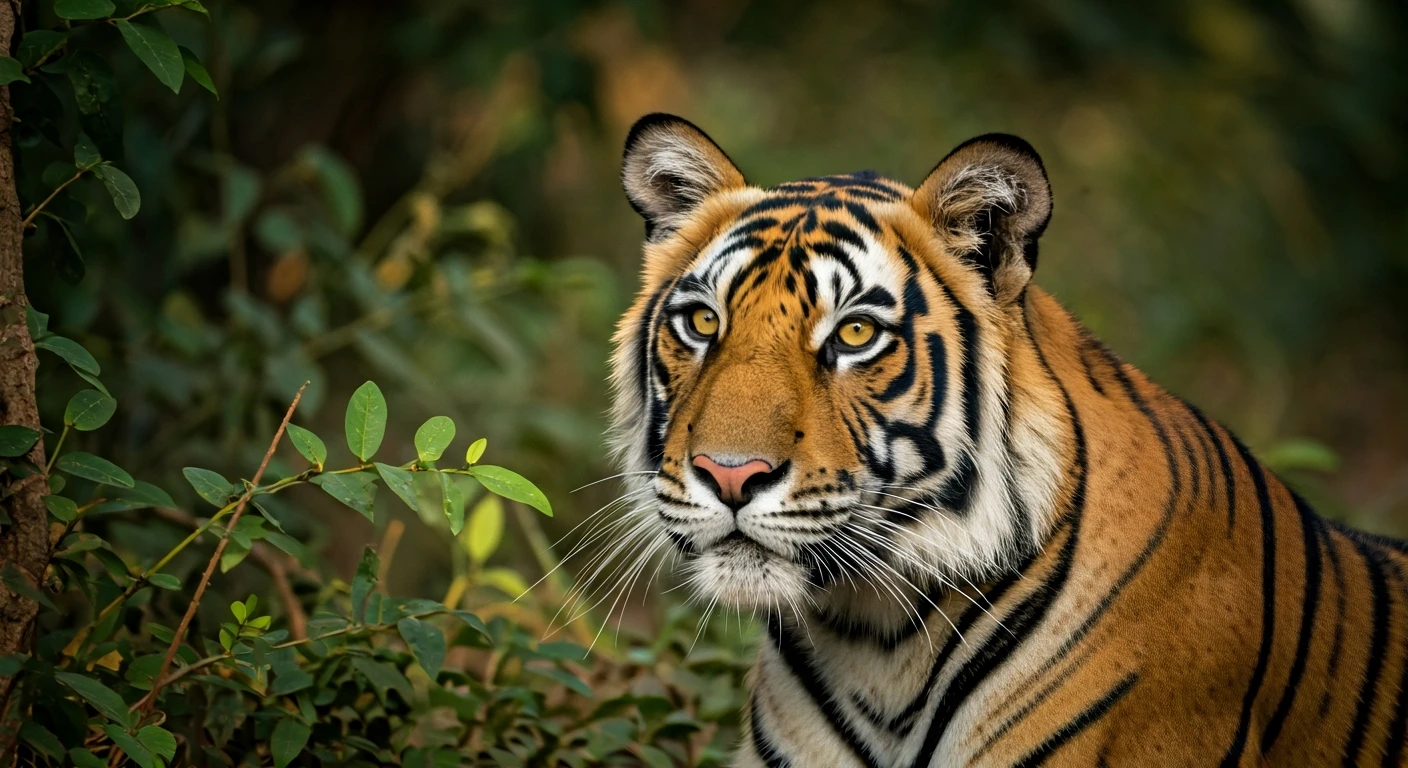
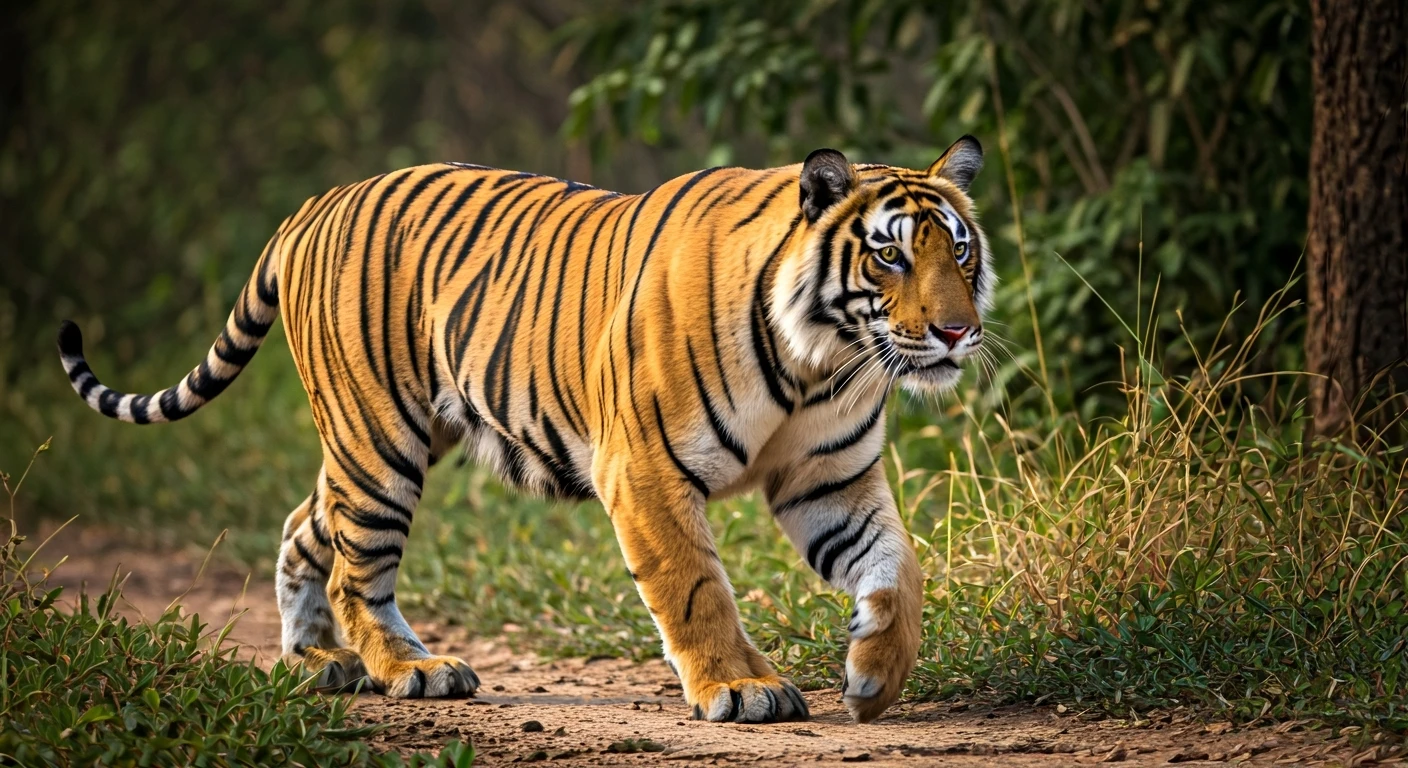
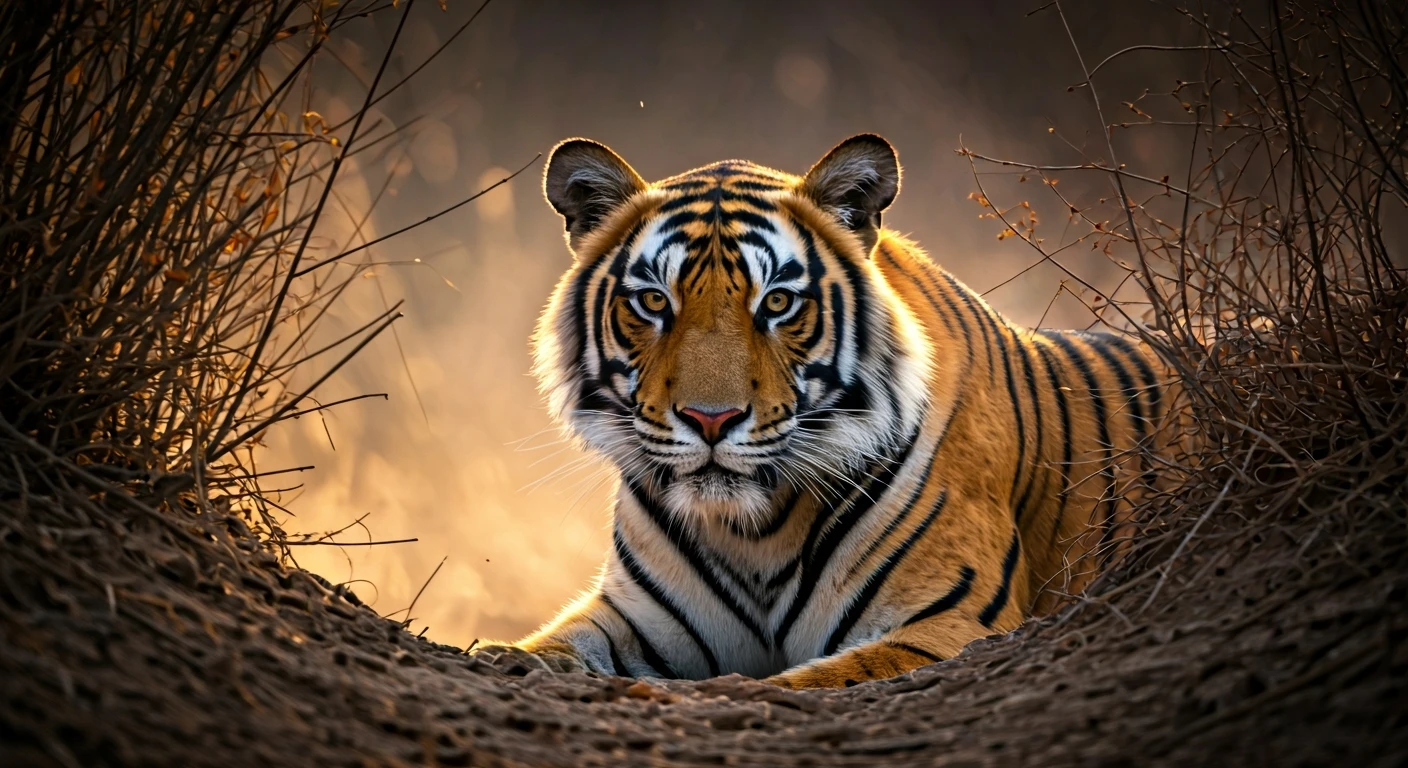
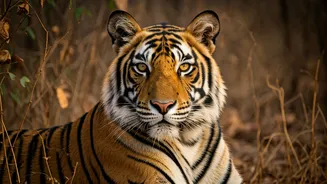
Let’s be clear: the Bengal tiger is the undisputed star of Ranthambore. Thanks to successful conservation efforts, this park is one of the most reliable places on earth to see these magnificent animals in their natural habitat. The tigers here are largely unafraid of the safari vehicles, allowing for incredible, sustained sightings. You might find one patrolling its territory along a dusty track, leading a train of jeeps in its wake. You might see a mother playing with her cubs near a waterhole or a massive male resting in the tall grass. The park's tigers are so well-documented that many have names and known territories, and guides will often speak of them like local celebrities—Arrowhead’s daughter, the dominant male of Zone 3. This personal connection transforms the experience from just spotting an animal to witnessing a chapter in a living dynasty.
Planning Your Tiger Quest
A trip to Ranthambore requires planning, especially for international visitors. The park is open from October to June, but the best time for sightings is during the hot, dry months of April and May. This is when water sources dwindle, forcing tigers to frequent the remaining lakes and waterholes, making them easier to spot. The trade-off is the intense heat. The cooler, greener months after the monsoon (October to January) are more comfortable but can make finding tigers in the dense foliage more challenging. Safaris, which run twice a day, must be booked well in advance—often several months—as permits are limited and sell out quickly. Most reputable lodges in the nearby town of Sawai Madhopur can assist with these bookings, which is the recommended route for a stress-free experience.
More Than Just Striped Cats
While tigers are the main draw, a safari here is a rich wildlife experience. It’s crucial to manage expectations; a tiger sighting is a privilege, not a guarantee. But even without one, Ranthambore delivers. You'll almost certainly see herds of sambar deer, the tiger's primary prey, as well as nimble chital (spotted deer) and the beefy nilgai, Asia's largest antelope. Marsh crocodiles bask on the lake shores, sloth bears shuffle through the undergrowth, and a lucky few might even spot the elusive leopard. The birding is also phenomenal, with hundreds of species from crested serpent eagles to vibrantly colored kingfishers. Appreciating the entire ecosystem—the landscape, the history, and the full cast of animal characters—is the key to a truly rewarding safari.