



The Land in the Sky
Tucked away in the northernmost reaches of India, Ladakh is a high-altitude desert cradled by the formidable Himalayan and Karakoram mountain ranges. Often called “Little Tibet” for its deep-rooted Buddhist culture and stark, majestic landscapes, it’s
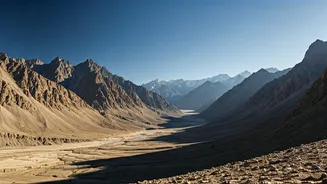
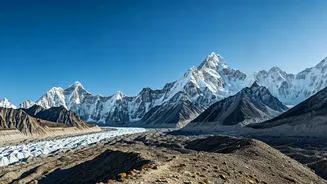
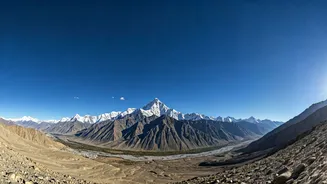
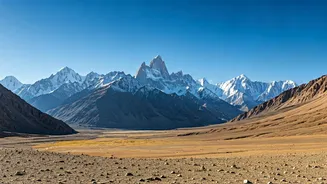
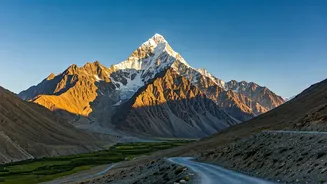
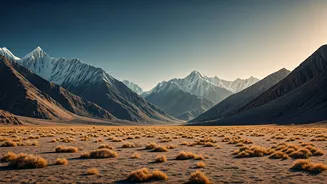
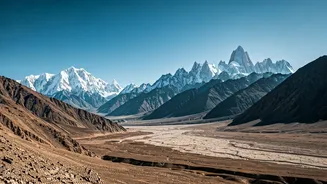
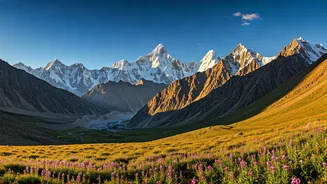
a place that feels closer to the sky than to the sea. The main town, Leh, sits at an elevation of over 11,500 feet—higher than most ski resorts in the Rockies. This altitude is the first key to its unique character. The air is thin, the light is sharp, and the panoramas are dominated by barren, beautiful mountains painted in shades of ochre, purple, and grey. It’s a world away from the lush, tropical image many Americans have of India, a rugged moonscape punctuated by verdant river valleys and ancient monasteries clinging to cliffsides.
Summer in the Rain Shadow
Here is the secret to Ladakh’s well-behaved summer: the rain shadow effect. While the rest of the Indian subcontinent is drenched by the torrential downpours of the monsoon season from June to September, Ladakh stays almost completely dry. The towering Himalayas act as a colossal barrier, blocking the moisture-laden clouds from ever reaching this remote region. The result is a summer defined by near-constant sunshine and startlingly clear skies. Daytime temperatures are idyllic, typically hovering in the 60s and low 70s Fahrenheit—perfect T-shirt weather. At night, the temperature drops, reminding you of your high-altitude setting and making a light jacket a welcome companion. It’s a season without the sticky, sweltering misery that defines summer elsewhere; it’s pleasant, predictable, and utterly sublime.
A Season of Open Roads
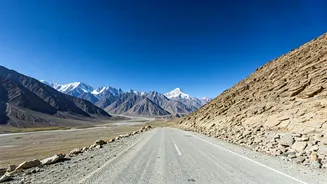
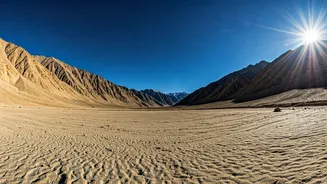
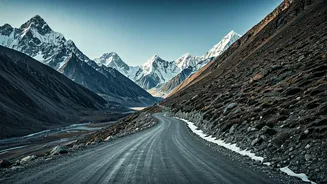
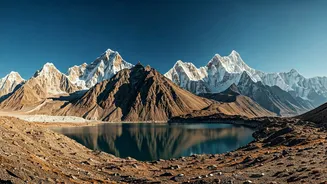
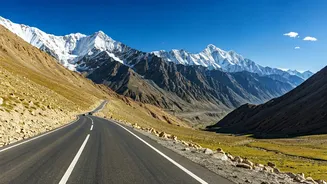
For most of the year, Ladakh is isolated, its high mountain passes buried under dozens of feet of snow. But summer changes everything. This is the season when the legendary roads from Manali and Srinagar are cleared, opening the kingdom to the outside world. More importantly, it’s when the internal high passes become accessible, inviting epic road trips. Driving over the Khardung La, once proclaimed the world’s highest motorable pass, to reach the sweeping dunes of the Nubra Valley is a rite of passage. The weather’s cooperation is key; there’s no rain to cause landslides, no fog to obscure the vertigo-inducing views. This clarity makes the landscape the star. The deep, impossible blue of Pangong Lake—a high-altitude saltwater body that stretches into Tibet—is at its most brilliant under the summer sun, its colors shifting with the light against a backdrop of barren peaks.
When Culture Comes Alive
The perfect weather isn’t just for sightseeing; it’s the engine of cultural life. Ladakhi summers are punctuated by vibrant festivals held in the courtyards of centuries-old Buddhist monasteries, or gompas. The most famous is the Hemis Tsechu, a two-day festival in June or July celebrating the birth of Guru Padmasambhava. Monks don elaborate masks and silk costumes to perform ritual dances, creating a hypnotic spectacle of sound and color against the stark mountain scenery. These events, along with the general accessibility of the region, turn summer into a pilgrimage season for travelers and locals alike. It’s a time to explore the serene prayer halls of Thiksey Monastery, spin the giant prayer wheels at Lamayuru, and feel the deep sense of peace that permeates this remarkable corner of the world, all under a benevolent sun.