



Embrace the Green Mango
In the U.S., our relationship with mangoes is almost exclusively with the ripe and ready. We hunt for that perfect blush of color, the slight give of the flesh, and the intoxicatingly sweet aroma that promises a taste of the tropics. But in many parts
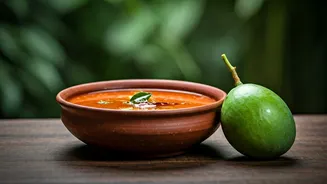
of the world, especially South India, the season’s first prize is the unripe green mango. Rock-hard, powerfully sour, and with a crispness like a tart apple, the green mango is a culinary powerhouse. Where a ripe mango offers sugar, a green mango offers acid. It’s used not as a fruit to be eaten raw, but as a souring agent, a textural element, and a flavor foundation. Think of it less like a fruit and more like a lemon or a lime, but with a distinctly tropical, resinous note that is all its own. This is the secret ingredient behind mango season’s most delicious surprise: a savory soup called rasam.
First, A Word on Rasam
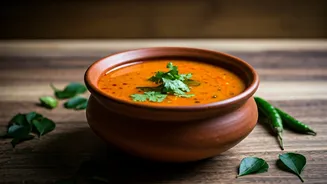
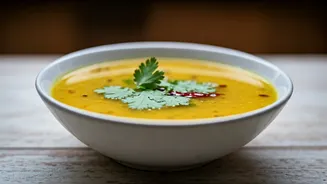
For the uninitiated, rasam is the soulful heart of South Indian cuisine. It’s a thin, peppery, and intensely flavorful broth that defies easy categorization. It’s not quite a soup, not quite a sauce, but functions beautifully as both. The traditional base is tamarind pulp, which provides a distinctive sweet-sour tang, fortified with a special blend of spices known as rasam powder—typically black pepper, cumin, coriander, and dried red chilies. Garlic, ginger, and tomatoes often join the party. Rasam is a cure-all, a comfort food, and a digestive aid rolled into one. It’s the kind of dish that warms you from the inside out, often served over a mound of fluffy rice or sipped on its own as a restorative tonic. It’s a staple for a reason: its balance of hot, sour, and savory is deeply satisfying.
The Magic of Mango Rasam
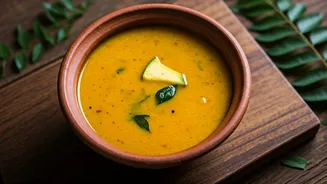
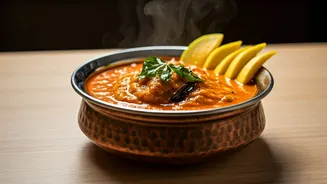
So, what happens when you introduce the sharp, bracing acidity of a green mango into the comforting world of rasam? Pure magic. In mango rasam, known in parts of India as *mamidikaya rasam*, the green mango steps in for the traditional tamarind, lending the broth its signature sourness. But it’s a different kind of sour—it’s brighter, fresher, and carries the faint, unmistakable perfume of the mango itself. The result is a soup that tastes like a lightning strike on a humid day. The initial hit is the vibrant tang of the mango, which quickly gives way to the warming heat of black pepper and the earthy depth of cumin and mustard seeds sizzled in ghee. The flavors are sharp but harmonious, a complex dance on the palate that is both stimulating and deeply comforting. Unlike its tamarind-based cousin, mango rasam has a cleaner, more direct acidity that feels perfectly suited for warmer weather, making it the ultimate seasonal dish.
A Symphony in a Bowl
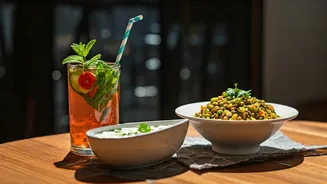
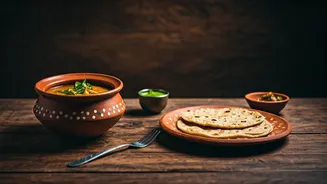
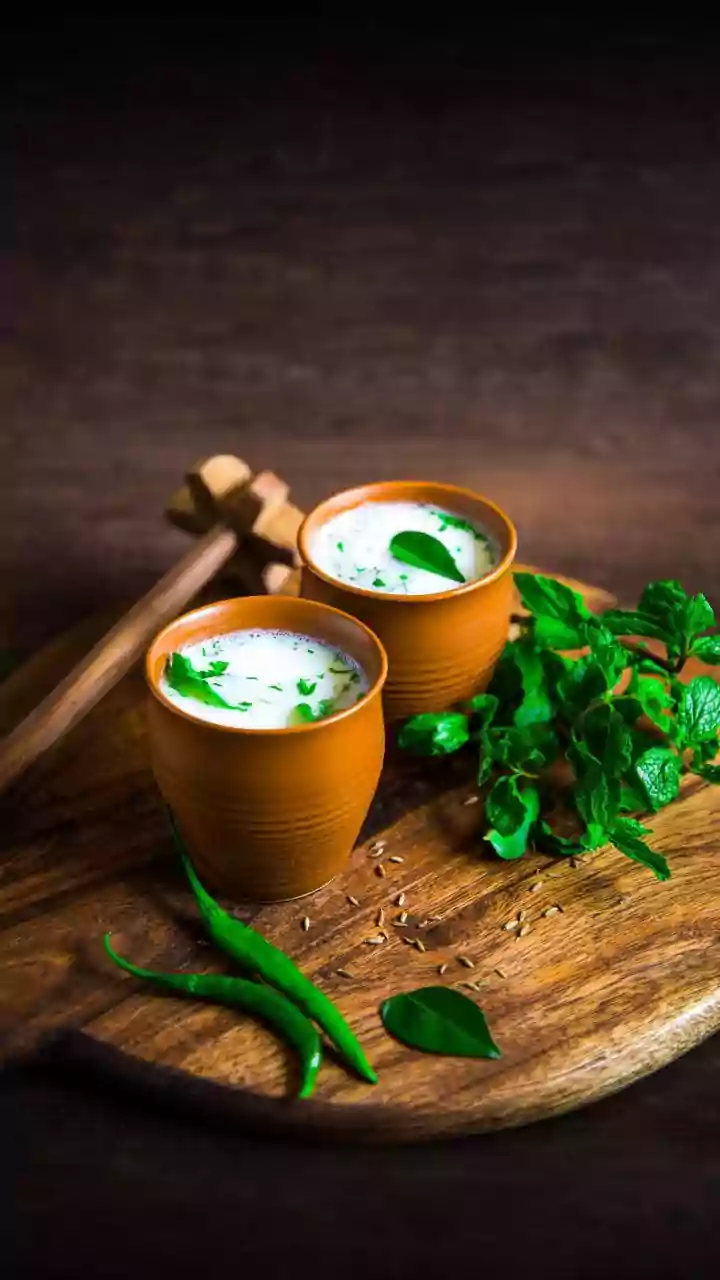
How does one enjoy this revelation? The most traditional way is to ladle the hot rasam over steamed rice, mixing it together with your fingers or a spoon. The rice mellows the intensity of the broth, creating a perfect marriage of texture and flavor. It’s often served as part of a larger meal, alongside vegetables, lentils, and perhaps a crispy *papadum* for scooping. But don't let tradition stop you. Mango rasam is also spectacular on its own, served in a small cup or mug as a starter to awaken the palate or as a light, invigorating soup for lunch. Its bright, spicy-sour profile cuts through richness beautifully, making it an excellent companion to grilled fish, chicken, or even a simple plate of roasted vegetables. It’s a versatile star that proves the best part of the mango isn’t always the sweetest.