





The Tyranny of the 100-Degree Vacation
The classic American summer trip—a sweltering week at the beach, a sweaty trek through a theme park, a city break on hot asphalt—is losing its luster. What was once idyllic has become an endurance test. As climate change turns up the thermostat, with
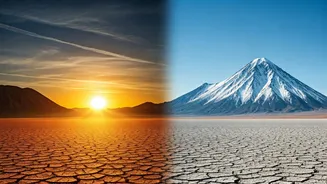
cities across the Sun Belt and even Europe routinely smashing heat records, the reality of a summer vacation has changed. A trip meant for relaxation can quickly become a miserable, heat-exhaustion-laced slog spent shuffling from one air-conditioned box to another. The very idea of “fun in the sun” feels different when that sun is part of a dangerous heat dome. This isn’t just a feeling; it’s a meteorological reality. Summers are hotter, heat waves are more frequent and intense, and the “shoulder seasons” of spring and fall are shrinking. The result is a fundamental shift in what we seek from a getaway. The goal is no longer just to escape work, but to escape the oppressive, inescapable heat of our own backyards. This has given rise to a new travel philosophy, one that redefines a successful summer trip not by the tan you acquire, but by the triple-digit temperatures you successfully avoid.
Enter the ‘Cool-Cation’
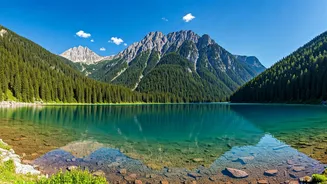
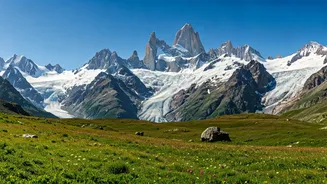
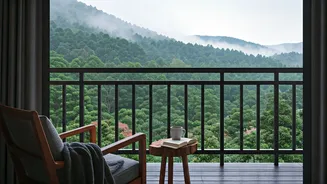
The antidote to this summertime misery has a name: the “cool-cation.” It’s a trip planned with the specific intention of finding temperatures that hover comfortably below 68°F (or 20°C). This isn’t about finding a bargain in the off-season; it’s about treating cool weather as the primary destination amenity. It represents a pivot from sun-seeking to sun-fleeing, prioritizing physical comfort and mental well-being over the conventional trappings of a summer holiday. This trend flips the traditional travel map on its head. Instead of flocking south, travelers are looking north. Instead of beaches, they’re seeking mountains, misty coastlines, and higher latitudes. The new dream isn’t a margarita on a scorching patio; it’s a hot coffee on a cool morning, a hike that doesn’t risk heatstroke, or the simple pleasure of sleeping under a duvet in July. Travel search data reflects this shift, with spikes in interest for destinations known for their mild summers as soon as the first heat wave of the year hits.
The New Geography of Summer Relief
So where are people going to escape? The cool-cation map is diverse, but it’s united by geography and altitude. In the U.S., the Pacific Northwest is a prime beneficiary. Cities like Seattle and Portland, and the wild coastlines of Oregon and Washington, offer a respite of gray skies and misty forests. The mountain towns of the Rockies in Colorado, Wyoming, and Montana are also seeing a surge in summer visitors who want to trade humidity for crisp alpine air. Similarly, the classic New England coast, from Maine’s Acadia National Park to the shores of Vermont’s lakes, provides a cooler, quieter alternative to the packed beaches further south. Internationally, the trend is even more pronounced. Scandinavia has become a summer hotspot for those in the know, with Norway, Sweden, and Denmark offering long, sunny-but-cool days perfect for exploring fjords and vibrant cities. Iceland continues its reign as a go-to for otherworldly landscapes without the heat. And closer to home, Canada—from the coastal beauty of British Columbia to the maritime charm of Nova Scotia—is being rediscovered as the ideal backyard cool-cation.
A Mindset Shift, Not Just a Trip
Ultimately, the rise of the cool-cation is about more than just finding pleasant weather. It’s a form of climate adaptation meeting consumer preference. It signals a growing awareness that our environment is changing and that we must change with it, right down to how we plan our leisure time. It’s a rejection of the idea that a vacation must be a battle against the elements. This new approach to travel often comes with other benefits. These cooler destinations are frequently less crowded than their sun-drenched counterparts, leading to a more relaxed experience. They encourage active pursuits—hiking, kayaking, exploring—that are simply impossible or unsafe in extreme heat. In a way, it’s a return to a more elemental form of vacation: one centered on comfort, genuine discovery, and a deep appreciation for the simple, profound luxury of not being hot.