



So, What Exactly Is Sattu?
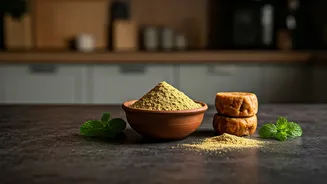
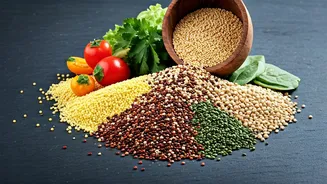
At its heart, sattu is disarmingly simple: it’s a flour made from roasted grams, most commonly chana (Bengal gram, a relative of the chickpea). The roasting process is key. Unlike raw chickpea flour (besan), which has a slightly bitter taste, roasting imparts
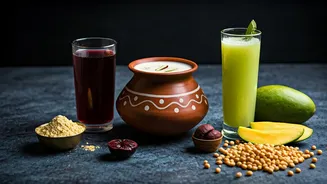
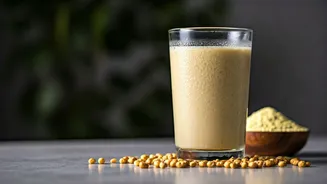
a nutty, earthy flavor that’s deeply satisfying. This flour is then mixed with water and other ingredients to create a drink or a porridge. Think of it as the original instant meal. The flour is shelf-stable, lightweight, and packed with nutrients. To turn it into a nourishing drink, you just need to add water and stir. Its texture is slightly grainy, and the flavor is a unique canvas—mildly nutty and savory, ready to be customized. It's not a slick, hyper-processed smoothie; it’s rustic, authentic, and incredibly effective at what it does.
An Ancient Answer to Heat and Hunger
Sattu is far from a new invention. It’s a staple with deep roots in the Indian subcontinent, particularly in the states of Bihar, Jharkhand, Uttar Pradesh, and Punjab. For generations, it has been the go-to fuel for farmers and laborers working long hours under the scorching sun. Its nickname, “poor man’s protein,” speaks to its affordability and accessibility. But that name belies its power. Sattu is a nutritional powerhouse. It's rich in plant-based protein, full of slow-releasing carbohydrates for sustained energy, and loaded with insoluble fiber, which aids digestion and creates a feeling of fullness. Its cooling properties are legendary; a glass of sattu sharbat (the drink) is a traditional remedy for beating the heat, preventing dehydration and sunstroke by replenishing the body with essential minerals lost through sweat.
Why It’s Trending Now
So why is this ancient staple suddenly finding a new audience in urban India and now, increasingly, in the West? Sattu perfectly aligns with several major modern wellness trends. For starters, it’s a whole-food, plant-based source of protein, making it ideal for vegans, vegetarians, and anyone looking to reduce their meat consumption. Its high fiber content appeals to the growing interest in gut health and digestive wellness. In a world saturated with artificial supplements, sattu’s simplicity is its greatest strength. It has a clean ingredient list because you make it yourself. There are no hidden sugars, unpronounceable chemicals, or artificial flavors unless you add them. As people become more skeptical of industrial food systems and seek out “ancestral” or traditional eating patterns, sattu emerges as a proven, time-tested superfood that delivers on its promises without the marketing hype.
Sweet, Savory, and Simple to Make
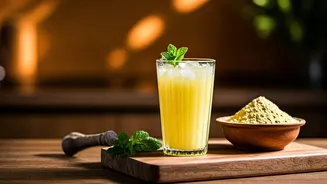
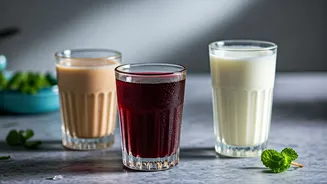
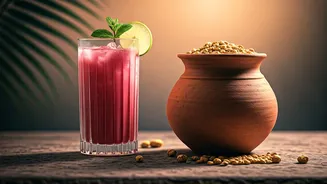
Part of sattu’s charm is its versatility. You can find the flour at any Indian grocery store or online. From there, a world of possibilities opens up, but the most common preparation is a simple drink that comes in two main varieties. 1. **The Savory Cooler (Namkeen Sattu):** This is the classic thirst-quencher. To make it, you whisk a few tablespoons of sattu flour into a glass of cold water until smooth. Then, you season it. Common additions include a squeeze of lemon or lime juice, black salt (kala namak), roasted cumin powder, and finely chopped mint or cilantro. The result is a savory, tangy, and deeply refreshing drink, like a rustic, protein-packed lemonade. 2. **The Sweet Version (Meetha Sattu):** For a different profile, the flour can be mixed with cold water or milk and sweetened. Traditionally, jaggery (an unrefined cane sugar) is used, but you can use maple syrup, honey, or another sweetener of your choice. Some people add a pinch of cardamom for a fragrant touch. It becomes a simple, nourishing shake that can satisfy a sweet craving while still providing energy and protein.