






The New Climate Calculus
For generations, the travel industry operated on a predictable rhythm. Summer meant Mediterranean beaches, Caribbean cruises, and packed national parks. But that calendar is being forcibly rewritten by climate change. In recent years, travelers have found
their idyllic getaways scorched by record-breaking heatwaves in Italy, choked by wildfire smoke in Canada, or evacuated from burning islands in Greece. These aren’t isolated incidents; they are becoming a defining feature of peak travel season. A recent European Travel Commission report noted a significant drop in interest for Mediterranean destinations in the summer, with many travelers citing weather concerns. The calculus has shifted. Instead of asking, “Where is it hot?” travelers are now asking, “Where is it *not* dangerously hot?” This pragmatic reprioritization is about ensuring a vacation is actually relaxing and enjoyable, not an endurance test against the elements.
Welcome to the 'Coolcation'
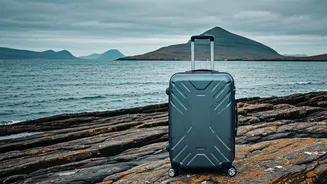
In response, a new buzzword has entered the travel lexicon: the “coolcation.” This trend sees travelers deliberately seeking out destinations with milder, more comfortable summer climates. Instead of battling for a spot on a crowded beach in 105-degree heat, they are exploring the fjords of Norway, hiking in the Scottish Highlands, or enjoying the café culture of cities like Copenhagen and Stockholm. Within the U.S., destinations in the Pacific Northwest, the Great Lakes region, and New England are seeing a surge in summer interest. This isn’t just about escaping the heat; it’s about discovering places that offer vibrant culture, stunning landscapes, and outdoor activities without the risk of weather-related health issues or cancellations. Travel search data shows a marked increase in queries for places like Ireland, Finland, and Denmark, confirming that vacationers are actively voting with their wallets for more temperate experiences.
Why Spring and Fall Are the New Summer
This doesn’t mean the end of trips to classic hotspots like Spain, Italy, or Arizona. It just means travelers are getting smarter about *when* they go. The “shoulder seasons”—typically April-May and September-October—are rapidly becoming the new peak seasons for these regions. The benefits are threefold. First and foremost is the weather, which is often idyllic: sunny and warm, but not oppressive. Second, the massive summer crowds have thinned out, making it easier to see attractions and get a dinner reservation. Finally, prices for flights and accommodations are often significantly lower than in July and August. Planning a trip to Rome in October instead of August transforms the experience from a sweaty, crowded ordeal into a pleasant, leisurely exploration. This strategic timing is the single most effective tool for travelers who still want to experience iconic destinations without the climate risk.
Your New Weather-Ready Travel Checklist
Adapting to this new reality requires a more strategic approach to planning. Simply booking a flight and hoping for the best is an increasingly risky bet. Instead, incorporate these steps into your process: 1. **Research Recent Weather, Not Averages:** Historic climate averages are becoming less reliable. Look up the daily weather patterns for your destination from the past two or three years to get a realistic picture of what you might face. 2. **Prioritize Flexible Booking:** Opt for hotels and flights that offer free cancellation or changes. This gives you an exit strategy if a severe weather event is forecast right before your departure. 3. **Buy Comprehensive Travel Insurance:** Read the fine print. Ensure your policy explicitly covers trip cancellations and interruptions due to unforeseen weather events like hurricanes, wildfires, and extreme heat advisories. Not all do. 4. **Have a Plan B (and C):** If you’re planning a beach vacation during a potentially hot month, research indoor alternatives ahead of time. Know where the best museums, galleries, cooking classes, or shopping arcades are, so a heatwave doesn't ruin your entire trip.