




Embrace the Power of Light
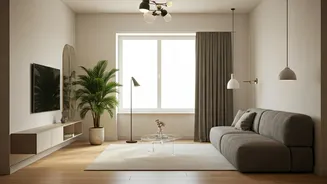
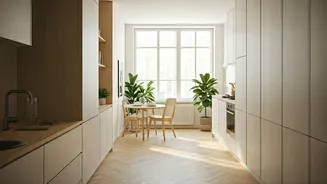
Light is the single most important ingredient for creating an airy atmosphere. Start by maximizing natural light. Swap heavy, dark drapes for sheer curtains, light-filtering blinds, or leave windows bare if privacy allows. This invites sunlight to pour
in, instantly making a room feel more open and alive. Clean your windows regularly; you’d be surprised how much grime can dim a room. For artificial lighting, think in layers. A single overhead fixture can create harsh shadows. Instead, combine ambient lighting (like a central fixture), task lighting (reading lamps), and accent lighting (to highlight art) to create a bright, evenly lit space without any gloomy corners.
Choose a Lighter Color Palette
It’s a classic for a reason: painting your walls a light color works wonders. Soft whites, pale grays, and cool, muted tones like sky blue or seafoam green reflect light, visually pushing walls outward. This doesn't mean your home has to be a sterile white box. You can use varying shades of white and cream to add depth and warmth. For a cohesive, expansive feel, consider painting the walls, trim, and ceiling in the same or very similar light shades. This blurs the boundaries of the room, making it harder for the eye to tell where surfaces begin and end, which creates a sense of seamless spaciousness.
Furniture That Creates Breathing Room
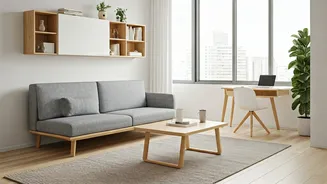
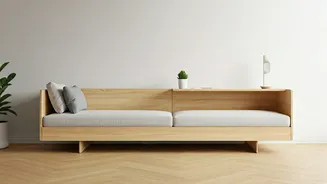
Bulky furniture that sits flat on the floor can make a room feel heavy and crowded. Opt for pieces with visible legs—like a mid-century modern sofa or a console table on slender legs. Lifting furniture off the floor creates negative space underneath, allowing light and air to flow and making the room feel less dense. Also, consider the profile of your furniture. Low-profile pieces, like a low-slung sofa, leave more wall space visible, drawing the eye upward and enhancing the sense of vertical space. Finally, choose pieces made of lighter materials, such as acrylic, glass, or light-toned wood, which feel less visually imposing.
Utilize Mirrors Strategically
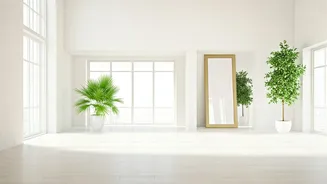
Mirrors are an interior designer’s secret weapon for faking space. A large mirror can act like an extra window, reflecting both light and the view to create an illusion of depth. The best placement is often opposite a window to bounce natural light around the room. You can also place a large, floor-length mirror against a wall in a narrow hallway or a small room to make it feel significantly wider. A collection of smaller mirrors can also work, but a single, large statement mirror often has a more dramatic and less cluttered effect.
Go Vertical and Draw the Eye Up
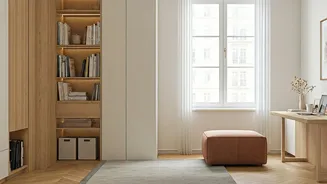
When floor space is limited, the only way to go is up. Emphasize your room's vertical dimension to make it feel taller and grander. Hang curtains higher and wider than the window frame—placing the rod just a few inches below the ceiling and extending it beyond the window's edges makes the window appear larger. Use tall, narrow bookcases instead of wide, short ones. Arrange artwork in a vertical gallery wall. These tricks encourage the eye to travel upward, creating an impression of height and airiness that counteracts any feeling of being cramped.
Edit and Declutter Your Space
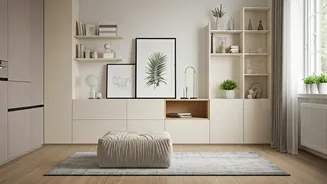
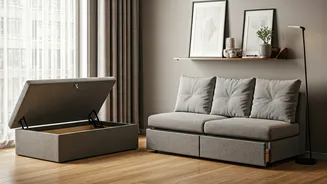
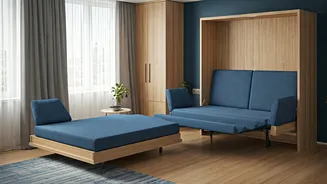
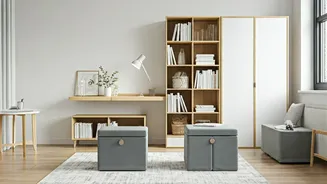
An airy room is an uncluttered room. Visual clutter translates directly into a feeling of psychological clutter and confinement. This doesn’t mean you have to become a minimalist, but it does mean being intentional about what you display. Edit your accessories and keep surfaces—like coffee tables, countertops, and nightstands—relatively clear. Implement smart storage solutions, like ottomans with hidden compartments or cabinets that blend into the wall, to keep everyday items out of sight. A clean, organized space allows each piece of furniture and decor to breathe, contributing to the overall sense of calm and openness.