

Go South for Steamed Perfection
When Americans think of Indian food, they often picture the heavy, cream-laden curries of the North. But travel south to states like Kerala and Tamil Nadu, and you'll find a cuisine that’s inherently light, bright, and incredibly wholesome. The star players
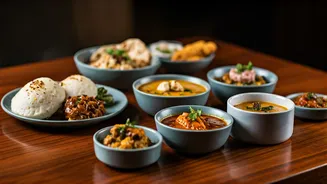
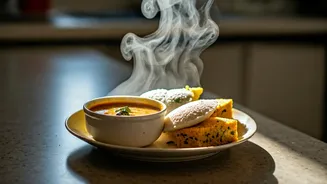
are often steamed, not fried. Think of idli, savory cakes made from a fermented batter of rice and lentils. They’re fluffy, gluten-free, and perfect for soaking up sambar, a tangy, vegetable-packed lentil stew. Another staple is aviyal, a beautiful medley of seasonal vegetables cooked in a delicate coconut and yogurt sauce. The cooking methods here rely on maximizing flavor with minimal oil, using mustard seeds, curry leaves, and tamarind to create complex tastes that are deeply satisfying without weighing you down.
Embrace the Wholesome West
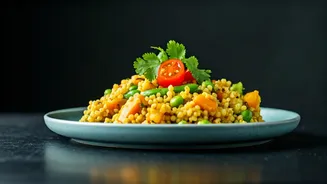
Head west to Gujarat and Maharashtra for a lesson in vegetarian creativity and ingenuity. Gujarati cuisine, in particular, is a goldmine for healthy snacks and meals. The most famous is dhokla, a spongy, savory cake made from fermented chickpea flour. It's steamed, low-calorie, and high in protein. Often garnished with cilantro and toasted mustard seeds, it’s a perfect light lunch or snack. Another Western Indian staple is poha, flattened rice flakes that are quickly stir-fried with onions, turmeric, and peanuts. It’s a fast, fibrous, and delicious breakfast that provides sustained energy. These dishes showcase how staple ingredients like lentils and rice can be transformed into something exciting and nutritious with just a few spices and clever techniques.
Discover Coastal Freshness in the East
The cuisine of Eastern India, especially Bengal and Odisha, is defined by its rivers and coastline. This is where you’ll find an abundance of fish and vegetables, often prepared with minimalist elegance. The signature cooking style involves steaming fish, like in Macher Paturi, where fillets are marinated in a pungent mustard paste, wrapped in banana leaves, and gently steamed until tender and fragrant. This technique locks in moisture and flavor without a drop of extra fat. Bengali kitchens are also masters of vegetable preparations. Shukto is a unique dish featuring a mix of bitter and sweet vegetables in a light, milky gravy, celebrated for its digestive properties. It’s a testament to a culinary philosophy that balances flavor with well-being.
Rethink Northern Heartiness
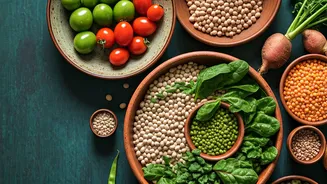
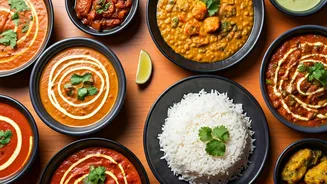
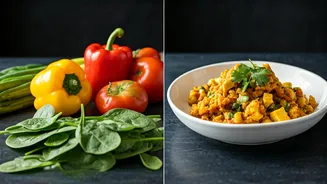
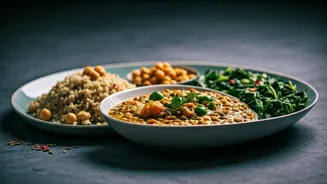
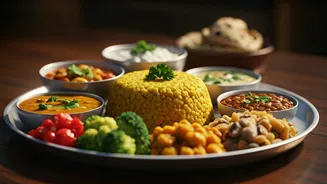
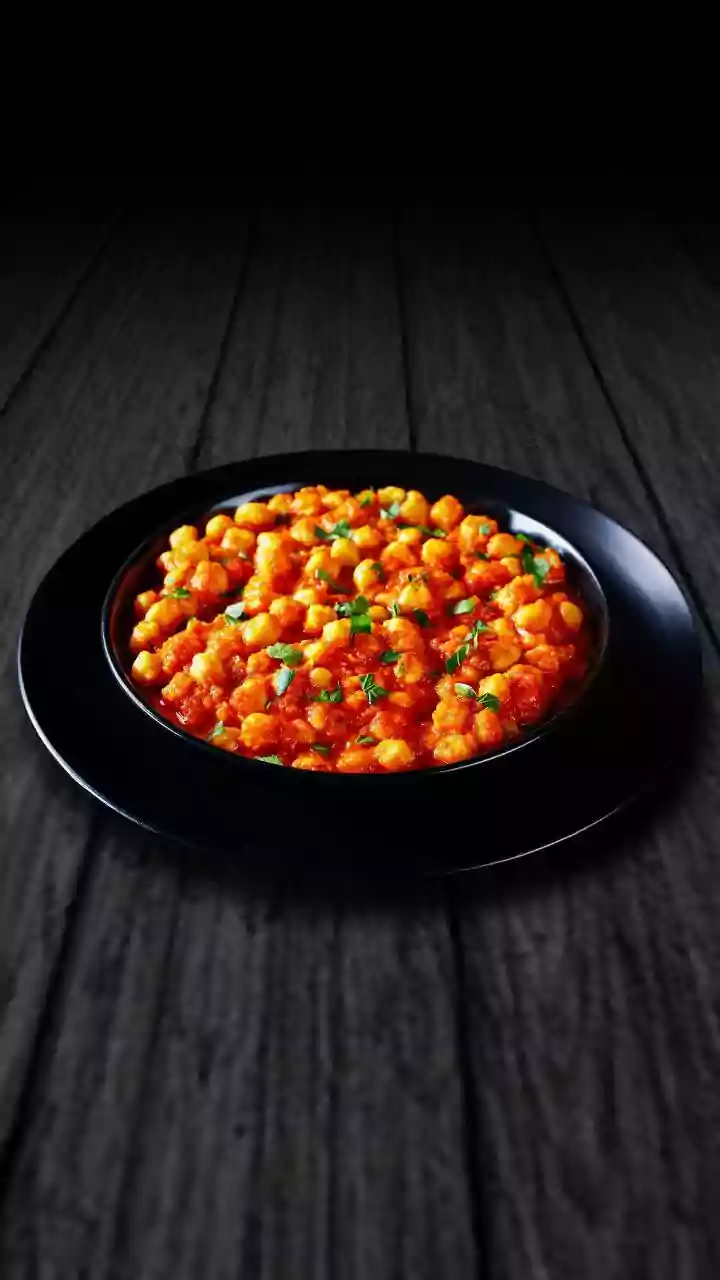
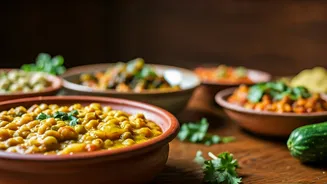
While Northern India is famous for rich dishes like butter chicken, its everyday home cooking tells a different story. The foundation of a typical meal isn't a creamy curry, but dal (lentils) and sabzi (vegetables). There are countless varieties of dal, from the simple, soupy masoor dal tempered with cumin and garlic to the heartier chana dal. These lentil preparations are the primary source of protein for millions and are incredibly versatile and healthy. Pair them with a simple dry vegetable curry—like bhindi (okra) stir-fried with onions and spices or aloo gobi (potatoes and cauliflower) pan-cooked with turmeric—and whole wheat roti instead of naan. This is the true soul of North Indian food: nourishing, flavorful, and built for everyday health.