


The Incredible Shrinking Entrée
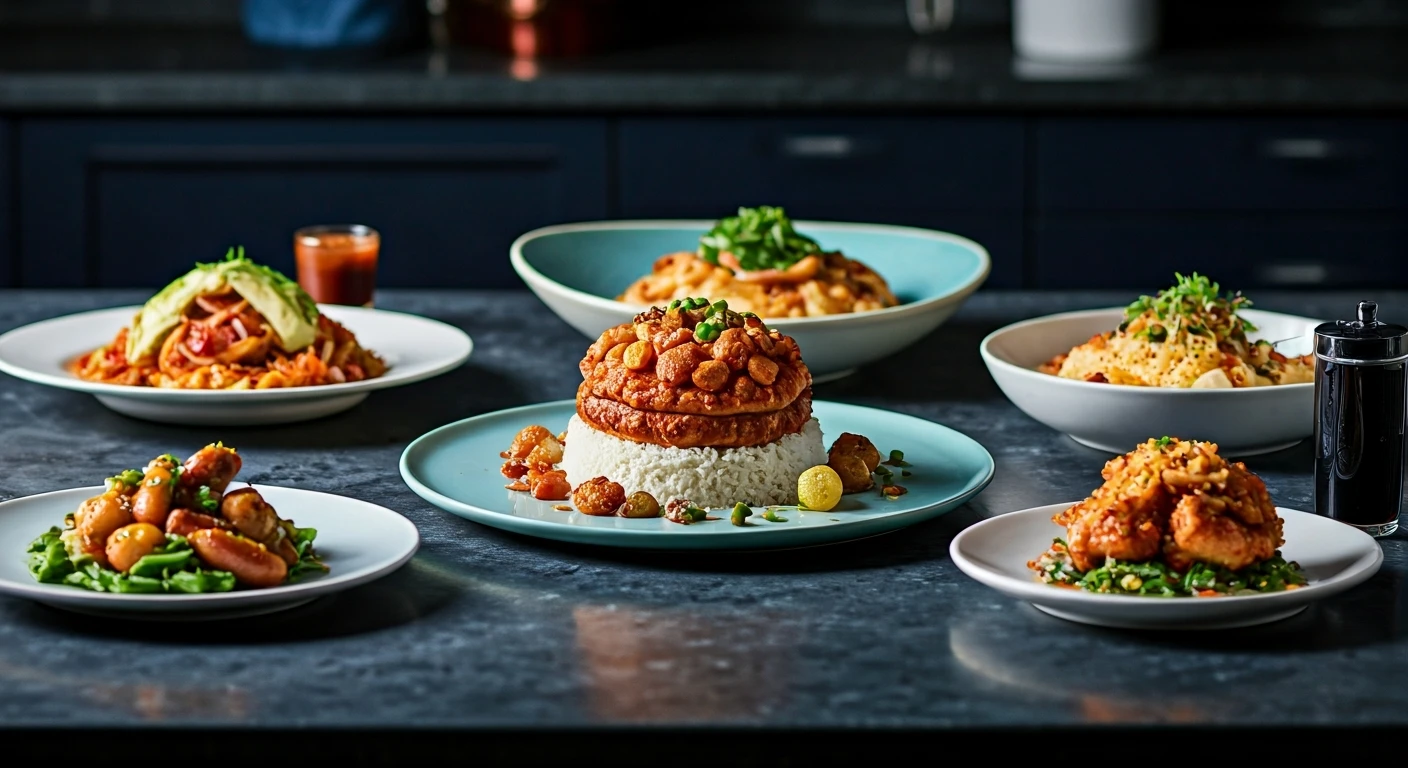
Across the country, from bustling city bistros to ambitious suburban eateries, a subtle shift is reshaping the American dinner plate. Where giant slabs of protein and overflowing mounds of starch once reigned supreme, chefs are now embracing restraint.
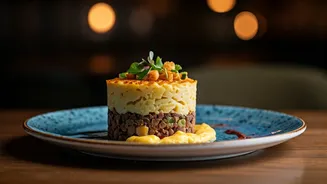
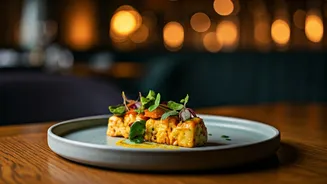
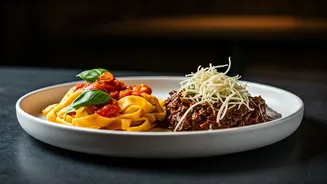
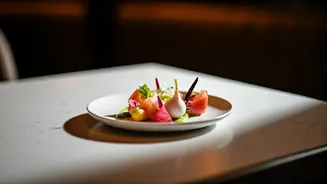
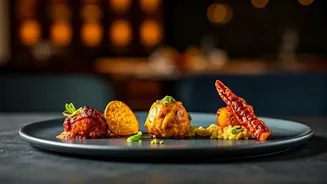
The new ideal features a carefully arranged portion of a main element—perhaps a perfectly seared scallop or a confit duck leg—accompanied by thoughtfully placed sauces, foams, and jewel-like vegetables. It’s food designed to be looked at before it’s eaten, a miniature landscape on ceramic. This isn’t about deprivation. Instead, it’s a pivot from a philosophy of volume to one of intensity and intention. Every component on the plate has a purpose. This trend marks a significant departure from the dining culture of the late 20th century, where value was often equated with size. Today, in a growing segment of the restaurant world, value is being redefined as quality, creativity, and the experience itself.
An Answer to Economic Pressures
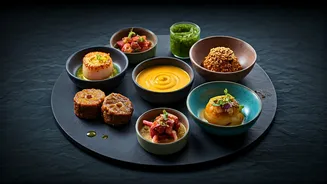
For restaurant owners, this shift is as much about survival as it is about style. With food costs soaring and supply chains becoming less predictable, piling plates high is an increasingly unsustainable business model. Smaller, more controlled portions allow kitchens to use premium ingredients—like wild-foraged mushrooms or sustainably caught fish—without having to charge an astronomical price. It dramatically reduces food waste, a major drain on profits. A chef can ensure that every expensive ingredient purchased actually ends up on a plate and is appreciated by the diner, rather than being left behind. This approach also allows for more flexible and profitable menu structures. Instead of just appetizers and large entrées, many restaurants now favor small plates, tasting menus, or a prix-fixe format. This gives chefs more control over the dining experience and their inventory, while also encouraging diners to order more individual dishes, often increasing the total check size.
Dining for the Digital Eye
You can’t talk about modern food presentation without talking about Instagram. A heaping pile of brown food, no matter how delicious, doesn’t photograph well. A meticulously plated dish, however, is practically designed for the digital world. The negative space on the plate makes the colors pop. The precise arrangement of ingredients creates a sense of elegance and artistry. In a world where diners often 'eat with their eyes' first—scrolling through a restaurant’s tagged photos before making a reservation—a photogenic menu is a powerful marketing tool. Chefs are keenly aware of this, sometimes composing dishes with their phone’s camera in mind. The swoosh of a puree, the sprinkle of microgreens, and the artful drizzle of oil are all techniques that translate beautifully to the small screen. This visual appeal generates free, user-driven advertising, turning every diner with a smartphone into a potential brand ambassador. The 'pretty plate' is no longer just for the diner at the table; it’s for their hundreds of followers, too.
A Shift in the American Appetite
Ultimately, this trend wouldn’t be taking hold if diners weren’t embracing it. American preferences are evolving. The desire to leave a restaurant feeling uncomfortably stuffed is waning, replaced by a new kind of culinary goal: to experience a variety of interesting flavors without feeling weighed down. Diners are increasingly sophisticated, curious, and health-conscious. They would rather have three perfect bites of a complex dish than a pound of something mediocre. This aligns with a broader cultural shift toward experiences over possessions. A meal composed of several smaller, artful courses feels more like a journey or a performance than simple refueling. It encourages conversation, slows down the pace of eating, and makes the dinner an event in itself. It’s a move away from passive consumption and toward active, engaged enjoyment.