




So, What Exactly Is HFSS?
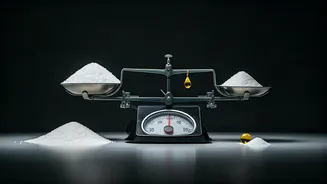
HFSS stands for 'High in Fat, Salt, or Sugar.' It’s a term born from UK public health policy, used to identify foods that the government considers less healthy and wants to discourage from being heavily marketed, especially to children. Think of it as
the official, bureaucratic term for what we often call 'junk food.' The classification is based on a nutrient profiling model that scores foods based on their energy density and the amount of saturated fat, sugar, and sodium they contain per 100 grams. While the specific regulations don't apply in the United States, the concept itself is a powerful tool for anyone serious about their nutrition. It provides a sharp, clear lens through which you can evaluate the foods filling up your cart, moving beyond vague labels like 'healthy' or 'unhealthy.'
The Fitness Enthusiast’s Blind Spot
Fitness culture has become incredibly sophisticated. We talk about progressive overload, time under tension, and nutrient timing. Many follow an 'If It Fits Your Macros' (IIFYM) approach, focusing on hitting daily protein, carb, and fat targets. While that’s a great start, it can create a major blind spot: food quality. A calorie is not just a calorie, and a carb is not just a carb. The HFSS framework forces us to look closer. A protein bar that helps you hit your protein goal might also be packed with enough sugar to qualify as a candy bar. A 'low-fat' frozen meal might be loaded with sodium that leaves you feeling bloated and puffy. These are the foods that can quietly sabotage your progress, stall fat loss, and diminish your performance, all while your macro calculator tells you everything is fine.
How HFSS Foods Derail Your Progress
Let’s get specific about how these foods undermine your hard work in the gym. High-sugar items cause a rapid spike in blood glucose, followed by an inevitable crash that kills your energy for an afternoon workout and promotes fat storage. Chronically high salt intake can lead to water retention, masking your hard-earned definition and potentially contributing to high blood pressure. And while fats are essential, the types found in many highly processed HFSS foods are often inflammatory saturated or trans fats, which can hinder recovery and joint health, rather than the anti-inflammatory omega-3s that support it. Essentially, HFSS foods work directly against the very adaptations you’re trying to create: stable energy, efficient recovery, and a lean, strong physique.
An American’s Guide to Spotting HFSS
You don't need a government-issued calculator to spot HFSS foods in a U.S. grocery store; you just need to become a more skeptical reader of nutrition labels. The culprits are often hiding in plain sight, disguised by clever marketing. Be wary of: * **Yogurts and 'Health' Drinks:** Many are incredibly high in added sugar. A small container of fruit-on-the-bottom yogurt can have more sugar than a donut. * **Protein and Granola Bars:** The ultimate Trojan horse. Some are excellent, but many are high in sugar, sugar alcohols, and cheap fats. If the ingredient list reads like a chemistry experiment, it's a red flag. * **Sauces, Dressings, and Condiments:** Ketchup, barbecue sauce, and even 'light' salad dressings can be major sources of hidden sugar and sodium. * **'Healthy' Cereals and Instant Oatmeal:** Check the added sugar content. Many breakfast cereals, even those marketed to adults, are definitively HFSS. * **Frozen Meals:** Convenience often comes at the cost of sky-high sodium levels.
The Goal Is Awareness, Not Elimination
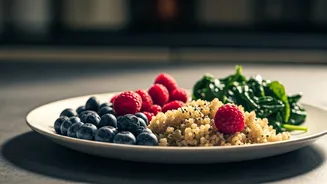
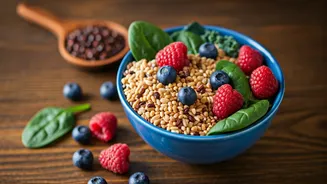
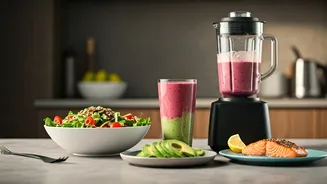
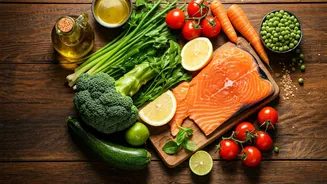
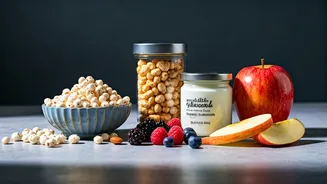
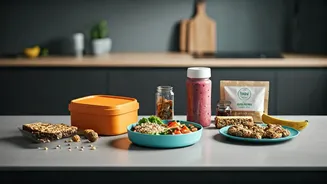
Hearing all this doesn't mean you're doomed to a life of plain chicken breast and steamed broccoli. The point of using the HFSS framework isn’t to create a new list of 'forbidden' foods or to trigger guilt. The goal is awareness. It’s about understanding the trade-offs you’re making. A smart approach is to apply the 80/20 rule: 80% of the time, prioritize whole, minimally processed foods that are naturally low in fat, salt, and sugar. The other 20% of the time, you have the flexibility to consciously enjoy those HFSS foods without derailing your long-term progress. Knowing what a food *is* empowers you to decide where it fits in your plan, rather than letting it sneak in and undermine your goals.