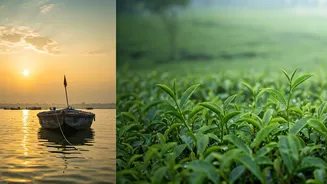



Welcome to the Tea Capital
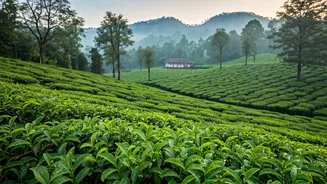
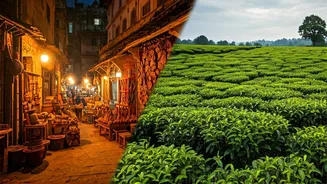
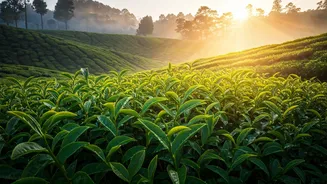
First, the aroma. Long before you see the iconic rolling hills of emerald green, you can smell the tea in the air. Jorhat isn’t just a city with tea plantations; it *is* the Tea Capital of India. This is the heart of Assam's world-famous tea production,
a place where the rhythm of daily life is dictated by the plucking, rolling, and brewing of leaves. For a traveler, this isn’t a passive experience. Many of the colonial-era tea estates have opened their doors, transforming historic bungalows into heritage hotels where you can wake up to views of endless tea bushes. You can tour the factories to watch the fascinating CTC (crush, tear, curl) process, participate in expert-led tea tastings that rival wine tastings in their complexity, and even try your hand at plucking leaves alongside local workers. It’s an immersive, sensory dive into the culture of a single plant that changed the world.
The Portal to a River Kingdom
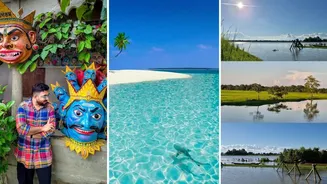
While tea provides Jorhat’s foundation, its most magical draw lies just a ferry ride away. The city is the primary gateway to Majuli, the world's largest inhabited river island, nestled in the mighty Brahmaputra River. Boarding the rustic, bustling ferry at Nimati Ghat is a quintessential local experience in itself. After a one-hour journey, you arrive in a different world. Majuli is a serene, water-bound sanctuary of stunning biodiversity and unique culture. It’s the center of Assamese neo-Vaishnavism, a gentle form of Hinduism, and is dotted with dozens of *satras*—monastic centers that are part monastery, part art school. Here, monks practice traditional dance, music, and craft-making, including the intricate art of mask-making. Renting a bicycle and pedaling through the island’s tranquil villages, past stilt houses and vibrant green rice paddies, is an unforgettable way to disconnect from modern chaos and connect with a spiritual, slow-paced way of life that feels worlds away from anywhere else.
Echoes of a Forgotten Dynasty
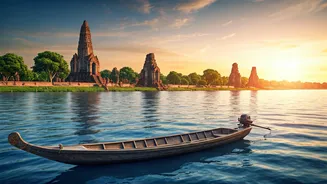
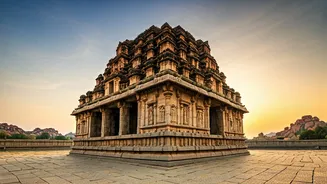
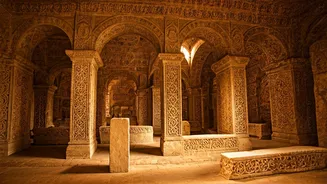
Jorhat offers more than just nature and spirituality; it's steeped in history. The city was the last capital of the formidable Ahom Kingdom, a dynasty that ruled Assam for nearly 600 years, successfully repelling Mughal invasions and fostering a unique culture. While Jorhat itself is a modernizing hub, the ghosts of the Ahom are all around. A short drive away is Sibsagar, the former Ahom capital, which serves as an open-air museum of their architectural prowess. Here you’ll find the Sivadol, one of India's tallest Shiva temples, and the Talatal Ghar and Rang Ghar, elaborate brick palaces and a two-storied royal sports pavilion often called the 'Colosseum of the East.' Exploring these centuries-old ruins offers a fascinating glimpse into a powerful dynasty that remains largely unknown to the outside world, adding a layer of historical depth to any visit.
Your Gateway to the Undiscovered Northeast
Perhaps Jorhat's most compelling role for the modern adventurer is its position as a strategic launchpad. For decades, India’s seven northeastern states were largely isolated and difficult to access. That is changing rapidly. With its own airport and solid transport links, Jorhat is now the perfect starting point for deeper explorations into this wild, culturally diverse region. From here, you can easily venture into Nagaland to witness the famed Hornbill Festival and learn about the proud indigenous tribes. You can push onward to the Ziro Valley in Arunachal Pradesh, a UNESCO World Heritage site known for its stunning landscapes and unique Apatani culture. Jorhat isn't just a destination; it's a doorway. It offers a taste of Assam's gentle charm while positioning you perfectly to discover some of the last truly untrammeled corners of South Asia.