





Redefine Your Pantry Staples
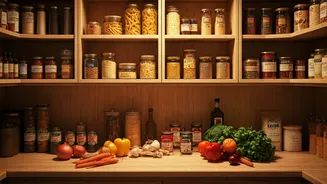
The first step to affordable sustainability is rethinking what a “staple” is. We’ve been conditioned to see staples as shelf-stable goods from a massive supermarket. But a local food system has its own set of workhorses. Instead of quinoa from thousands
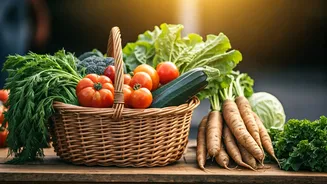
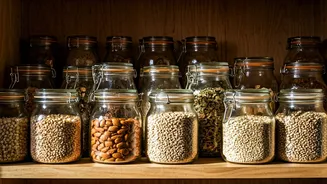
of miles away, think about locally grown, nutrient-dense options like potatoes, winter squash, cabbage, onions, and carrots. These root vegetables and hardy greens are often the cheapest items at a farmers market because they grow abundantly and store well. Similarly, dried beans and lentils from a regional farm can be incredibly inexpensive and form the protein base of countless meals. By shifting your focus from trendy health foods to humble, local produce, you cut out the long-haul shipping, fancy packaging, and marketing costs that inflate prices.
Master the Farmers Market
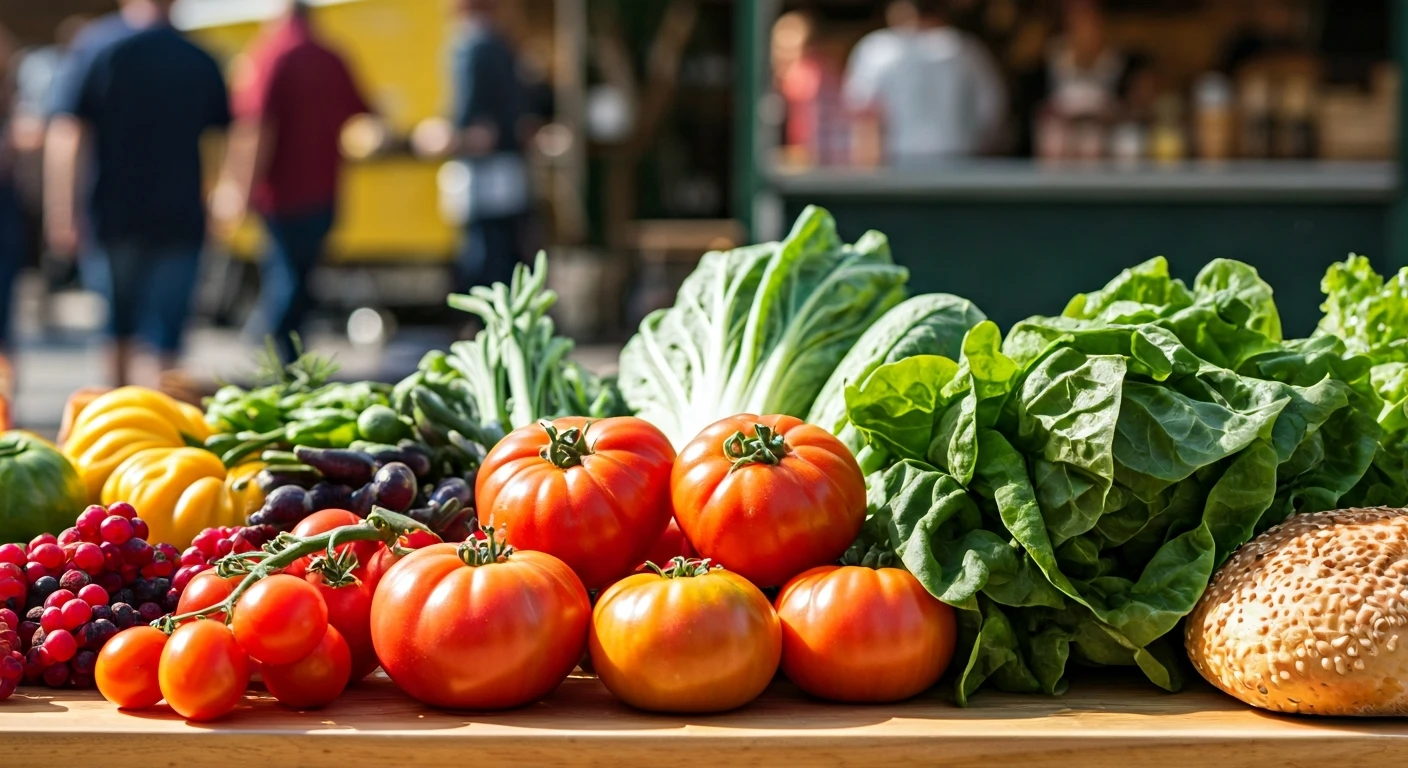
Shopping at a farmers market isn’t just a charming weekend activity; it’s a strategic move for your wallet. To maximize savings, don’t just browse. Go with a flexible plan and talk to the farmers. Ask them what’s at its peak; peak-season produce is always the most plentiful and therefore the cheapest. Many vendors offer deals toward the end of the day to avoid hauling unsold inventory back to the farm. Another pro tip: ask for “seconds” or “ugly” produce. These are the fruits and vegetables with cosmetic blemishes—a weirdly shaped carrot or a slightly bruised tomato—that are perfectly fine for eating, especially in sauces, soups, or smoothies, and are often sold at a steep discount.
Consider a CSA Share
Community Supported Agriculture (CSA) is a model where you buy a “share” in a farm at the beginning of the season and, in return, receive a box of seasonal produce every week. While the upfront cost can seem significant, breaking it down on a per-week or per-item basis often reveals a major bargain compared to buying the same quantity and quality of organic produce at a high-end grocer. A CSA forces you to cook with what’s in season, which is inherently more sustainable. It also provides a direct connection to your food source, and many farms offer flexible payment plans or smaller share sizes to make membership more accessible. It’s a powerful way to lock in a fair price for a season’s worth of fresh, local food.
Embrace Preservation and 'Root to Stem'
One of the best ways to make local eating affordable is to take advantage of seasonal abundance. When tomatoes or berries are cheap and plentiful in the summer, buy them in bulk and preserve them. Learning basic canning, freezing, or pickling techniques allows you to enjoy the taste and low prices of peak season all year long. This practice drastically reduces food waste and frees you from paying a premium for out-of-season produce in the winter. At the same time, adopt a “root to stem” or “nose to tail” philosophy. Use carrot tops for pesto, save vegetable scraps for stock, and learn to cook tougher cuts of meat. Using the entire product ensures nothing is wasted, stretching every dollar you spend.
Look Beyond Produce
While fruits and vegetables are the stars of local eating, don’t forget other staples. Local eggs often have a richness of flavor you can’t find in a supermarket carton, and their prices can be competitive, especially when buying directly from a small-scale farmer. The same goes for local honey, dairy, and even grains. Many regions have mills that process locally grown wheat, corn, and oats, offering fresh, flavorful flours and meals. By building your entire plate—from protein to grains to produce—around what your region provides, you’re not only saving money but also investing in your local economy and a more resilient food system.