



So, What Exactly Are Sabja Seeds?
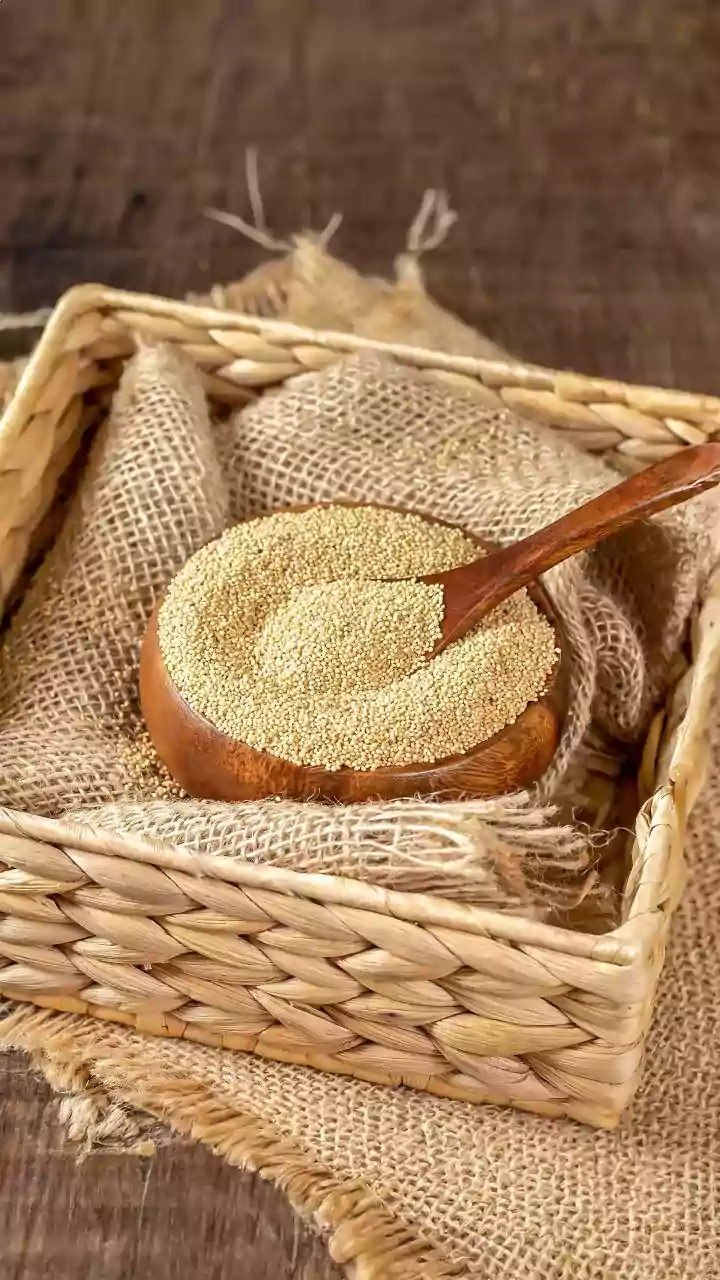
If you’ve ever had the iconic South Asian dessert drink falooda, you’ve met sabja seeds. These tiny, jet-black seeds come from the sweet basil plant, Ocimum basilicum—the same plant that gives us the fragrant leaves for pesto and caprese salads. Unassuming
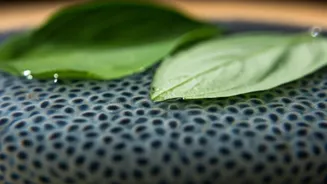
when dry, they undergo a magical transformation when soaked in water. In just 15-20 minutes, they absorb liquid and swell up, forming a translucent, gelatinous coat around a crunchy black center. This unique, slippery texture makes them a beloved addition to drinks and desserts across India, the Middle East, and Southeast Asia. They are sometimes called sweet basil seeds, tukmaria, or falooda seeds. Despite their association with the basil plant, they are virtually flavorless, meaning they primarily contribute texture and nutritional value, not a basil-like taste.
The Inevitable Chia Seed Comparison
For many Americans, the immediate point of comparison is the chia seed, another tiny seed famous for creating a gel. While they serve a similar function, they are not the same. Chia seeds, which come from the Salvia hispanica plant, can be eaten raw (sprinkled on a salad) or soaked. Sabja seeds, on the other hand, must be soaked before consumption, as they are too hard to eat dry. The soaking process is also different; sabja seeds plump up almost instantly, becoming ready in under 20 minutes, while chia seeds take a couple of hours to fully gel. Visually, soaked sabja seeds look like tiny, translucent pearls with a black dot, whereas soaked chia seeds form a more uniform, tapioca-like gel. Nutritionally, both are excellent sources of fiber, but sabja seeds often have a slight edge in iron and magnesium content per serving.
Why They're a Summer Staple
The resurgence of sabja seeds during summer is no accident. In Ayurvedic and other traditional medicine systems, they are renowned for their supposed cooling properties, believed to help reduce body heat. This makes them a go-to ingredient for warm-weather beverages like sherbets, rooh afza (a rose-flavored cordial), and fresh juices. While the scientific evidence for a direct “cooling” effect is thin, their role in summer hydration is undeniable. Soaking them in water creates a beverage that’s not only more texturally interesting but also incredibly hydrating. The gel-coated seeds retain water, which can help with sustained hydration on a hot day. The high fiber content also contributes to a feeling of fullness, which can help curb cravings for heavier, heat-inducing foods during a heatwave.
The Wellness Buzz: Benefits and Reality
Beyond their cooling reputation, sabja seeds are gaining traction in wellness circles primarily for their impressive fiber content. A single tablespoon can provide a significant portion of your daily fiber needs. This fiber is predominantly soluble, which is known to aid digestion, promote regular bowel movements, and act as a prebiotic to feed beneficial gut bacteria. This same fiber content helps stabilize blood sugar levels by slowing down the absorption of carbohydrates. Some traditional uses also point to benefits for skin and hair, often linked to their antioxidant and mineral profile. However, it's important to approach these claims with a dose of reality. Most of the buzz is based on the known benefits of fiber and the seeds' nutrient profile, rather than extensive, specific studies on sabja seeds themselves. Think of them as a nutrient-dense food, not a miracle cure.
How to Easily Use Them at Home
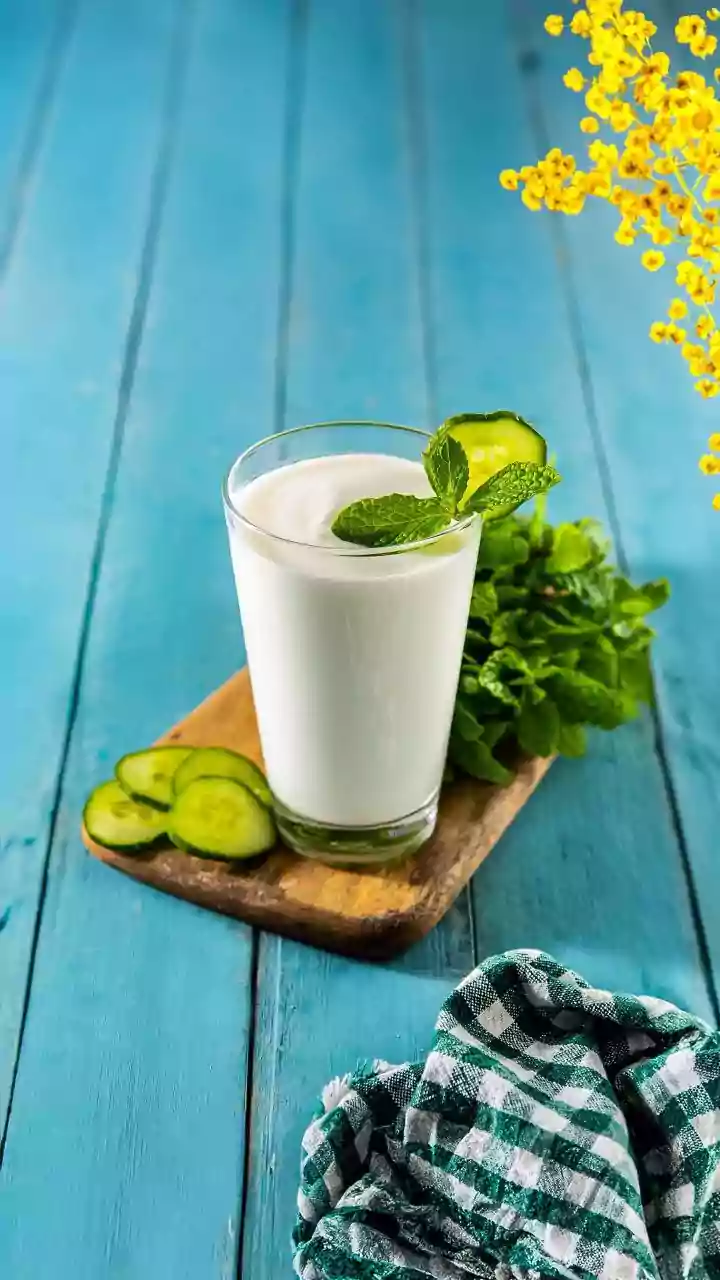
Intimidated? Don't be. Using sabja seeds is incredibly simple. Start by soaking one or two teaspoons of the seeds in about half a cup of warm water. They'll be ready in about 15 minutes. Once they're plump and gelatinous, you can add them to almost any cold beverage for a fun textural pop. Stir them into lemonade, iced tea, coconut water, or even just plain water with a squeeze of lime. They are a fantastic addition to smoothies, providing thickness and fiber without altering the flavor. You can also mix them into yogurt parfaits, spoon them over fruit salads, or use them as a topping for smoothie bowls. Because they don't have a strong taste, they are a versatile vehicle for adding fiber and a delightful, boba-like texture to your favorite healthy snacks and drinks.