






Understanding 'Cooling' Foods
First, let's redefine 'cool.' In the context of Indian food, particularly through the lens of Ayurveda, 'cooling' doesn't refer to the physical temperature of the dish. You don't have to live on gazpacho and ice cream. Instead, it refers to an ingredient's
metabolic effect on the body. Foods are classified as having either a 'heating' (pitta-aggravating) or 'cooling' (pitta-pacifying) effect. Heating foods, like red meat and certain aggressive spices, are believed to increase internal body heat and inflammation. Cooling foods, on the other hand, are thought to soothe the system, aid digestion, and help the body regulate its temperature more efficiently during hot weather.
Yogurt: The Probiotic Cooler
Yogurt, or 'dahi,' is the undisputed king of cooling foods in India. It's a probiotic powerhouse that's incredibly versatile. You’ll find it in 'raita,' a cooling side dish where yogurt is mixed with grated cucumber, mint, and a pinch of roasted cumin. It’s also the star of 'lassi,' a refreshing drink blended with water, spices, and either salt (for a savory version) or fruit like mango (for a sweet treat). A simple bowl of yogurt with a sprinkle of sugar is a common dessert. Its cooling properties are legendary, offering a soothing balm to a system stressed by heat and a spicy meal.
Mint & Cilantro: The Herbal Chill
No Indian summer meal is complete without a shower of fresh herbs. Mint (pudina) and cilantro (dhania) are essentials. Mint contains menthol, which triggers the same cold-sensitive receptors in our skin and mouth that cold temperatures do, creating a physiological sensation of coolness. Cilantro is also traditionally considered a cooling herb that aids digestion. These herbs are typically blitzed into vibrant green 'chutneys' served alongside snacks, generously sprinkled over curries and dal, or mixed into salads to provide a burst of fresh, cooling flavor.
Cucumber & Gourds: Nature’s Hydrators
It’s no surprise that vegetables with high water content are ideal for hot weather. Cucumber ('kakdi') is a prime example. It’s often served in a simple salad called 'kachumber'—finely diced cucumber, onion, and tomato with a squeeze of lime juice and a pinch of salt. This simple, hydrating dish accompanies almost every meal in the summer. Other vegetables like bottle gourd ('lauki') and zucchini ('tori') are also prized for their cooling and hydrating properties, often cooked into light, soupy stews that are easy on the digestive system.
Light Lentils and Grains
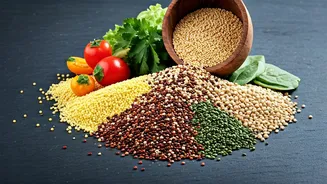
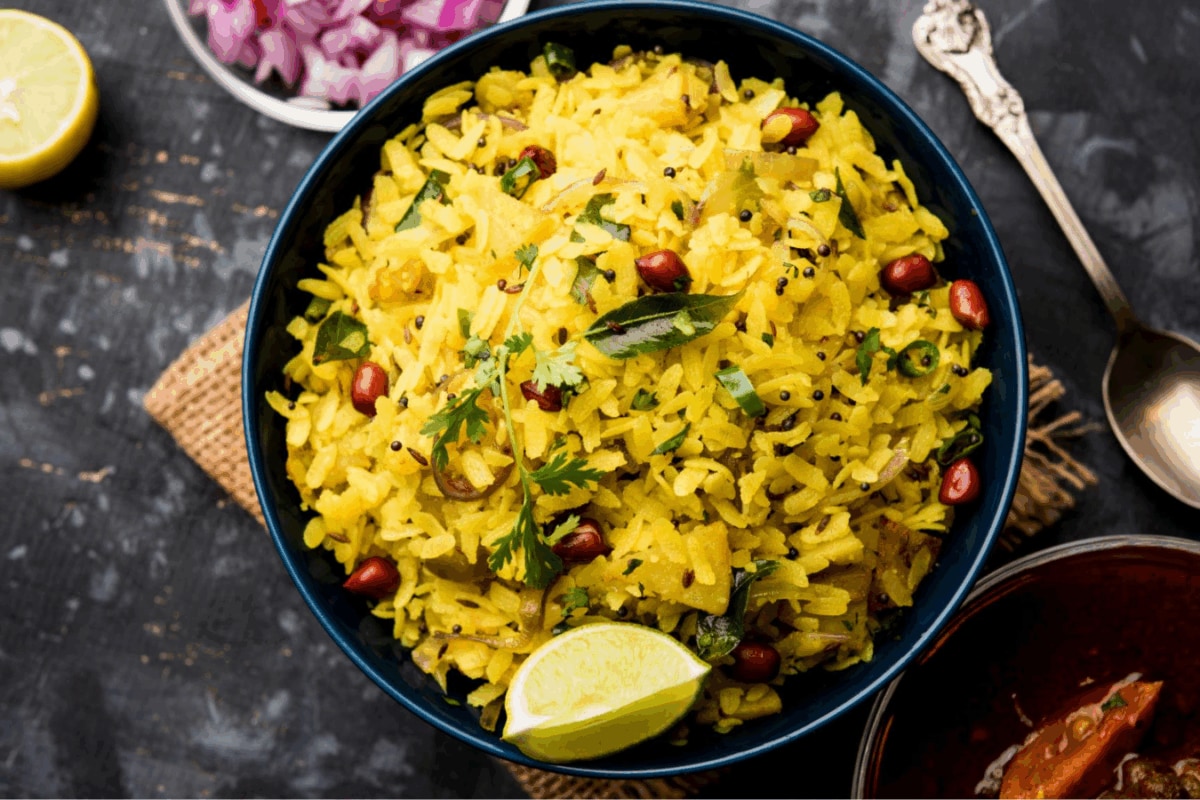
Heavy, greasy foods can make you feel sluggish and hot. Indian summer cooking favors lightness. Moong dal, a small yellow lentil, is considered one of the most easily digestible and cooling legumes. It’s often prepared as a thin, watery soup ('dal') seasoned with gentle spices like turmeric and cumin, served over basmati rice. Another popular dish is 'khichdi,' a comforting one-pot meal of rice and moong dal cooked together until soft. It’s the ultimate comfort food, especially when you need something nourishing yet light.
The Right Spices: A Counterintuitive Trick
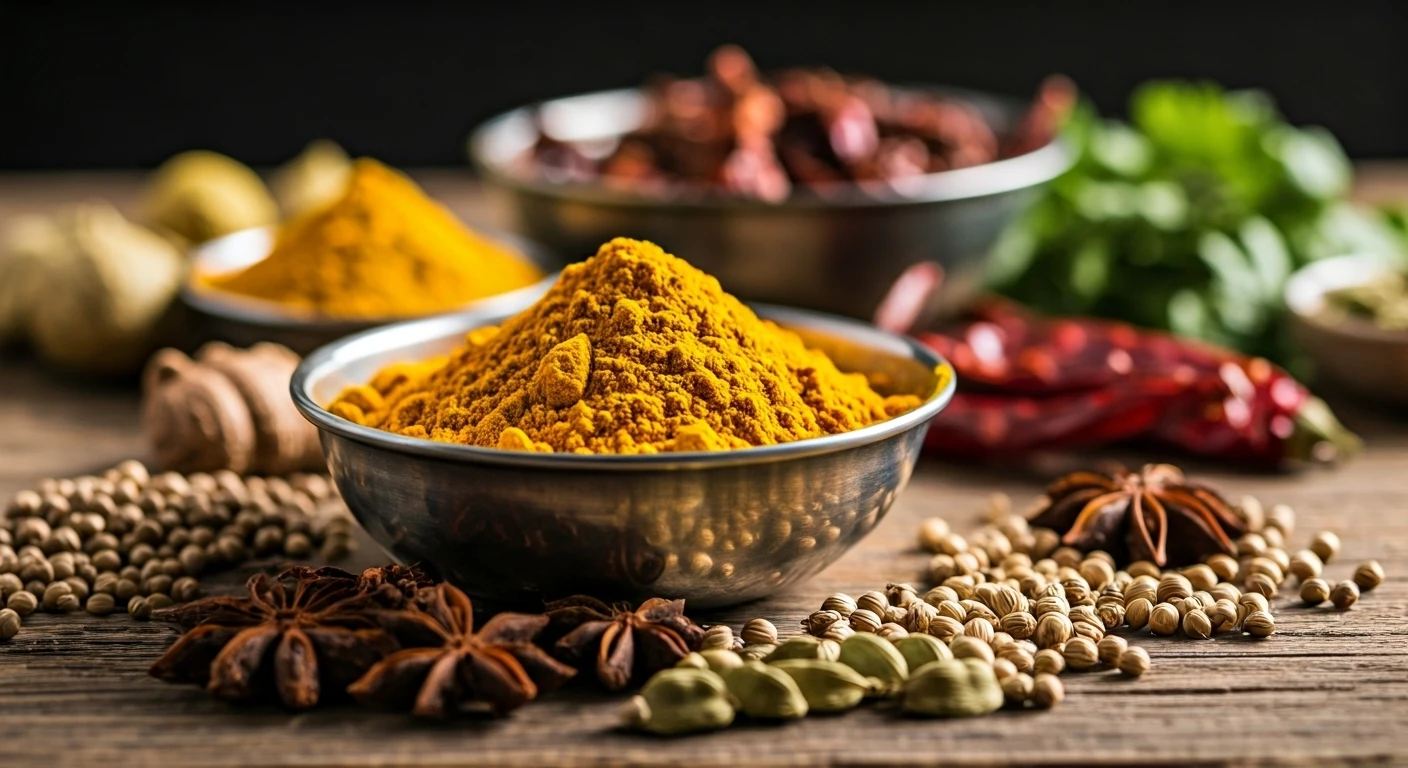
This might be the most surprising part: spices can be cooling. While we associate Indian food with heat from chilies, many spices are used for their cooling properties. Fennel seeds ('saunf'), cardamom, and coriander are all considered cooling in Ayurveda and are key components of many spice blends. Even chili plays a role. The capsaicin in hot peppers makes you sweat. As that sweat evaporates from your skin, it provides a powerful, natural cooling effect. It’s a case of fighting fire with fire, a strategy that people in hot climates have perfected over centuries.