







The Myth of 10,000 Steps Is Finally Dead
First, let’s clear something up. The original 10,000-step goal was never based on science. It was a marketing slogan created in the 1960s for a Japanese pedometer. For years, this arbitrary number loomed large, making daily movement feel like a pass/fail
test many of us were failing. Now, the conversation has changed. Recent studies, widely reported, have shown that significant health benefits start much earlier—around 4,000 steps for mortality risk reduction, with more benefits accruing up to about 7,500-8,000 steps. By letting go of the all-or-nothing 10k mindset, a daily walk suddenly feels more achievable and less intimidating. This new, more forgiving understanding has made step counting attractive to a whole new group of people who were previously put off by the daunting target.
A Gentle Rebellion Against Intense Fitness
For the last decade, fitness culture was dominated by a “beast mode” mentality. Think high-intensity interval training (HIIT), CrossFit WODs, and Peloton instructors pushing you to your absolute limit. While effective for some, this approach can be exclusionary, expensive, and frankly, exhausting. The resurgence of walking is a quiet rebellion against that. It’s a form of movement that is accessible to almost everyone, regardless of fitness level, age, or income. It requires no special equipment, no gym membership, and carries a low risk of injury. In a world recovering from burnout, the simple, meditative act of putting one foot in front of the other offers a sustainable way to stay active without the pressure to perform at maximum capacity.
Technology Made It a Game Worth Playing
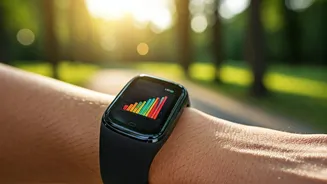
While the concept is simple, the technology driving it has become incredibly sophisticated. Early pedometers just gave you a number. Today’s smartwatches and fitness trackers have turned step counting into a rich, interactive game. Apple’s iconic “closing the rings” system creates a powerful daily habit loop. Garmin and Fitbit offer social challenges, virtual badges, and detailed analytics that make your daily progress feel meaningful. Streaks are a powerful motivator, tapping into our psychological desire not to break a chain of success. This gamification has transformed a mundane chore into an engaging hobby, making us more emotionally invested in our daily movement than ever before.
From a Private Metric to a Public Vibe
Step counting is no longer just a personal health metric; it’s a cultural signifier. On TikTok, the “hot girl walk” trend turned a simple walk into an act of self-care, complete with curated playlists, podcasts, and a mindful attitude. It became an aesthetic—something to be performed, documented, and shared. People post screenshots of their completed rings or impressive step counts as a low-key brag that says, “I’m taking care of myself.” This social layer adds a new dimension of accountability and community. Whether you're competing with a friend for the weekly step crown or just feeling part of a larger wellness movement, counting steps has become a way to connect with others and broadcast your values.