


Ireland: The Emerald Escape
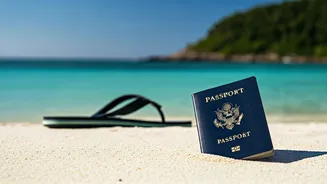
If your idea of a perfect vacation involves lush green hills, cozy pubs, and a persistent, refreshing mist, Ireland is calling. For U.S. citizens, the country is wonderfully straightforward: no visa is required for tourist stays of up to 90 days. You
simply arrive, get a stamp, and begin your adventure. This ease of entry removes a major layer of pre-trip stress. The real prize, however, is the climate. While the rest of Europe can swelter in July and August, Ireland remains temperate, with average summer temperatures hovering in the comfortable 60s. It’s the kind of weather that’s perfect for road-tripping along the Wild Atlantic Way, exploring ancient castles without breaking a sweat, or hiking through its famously green countryside. Packing a light raincoat is essential, but it’s a small price to pay for escaping oppressive humidity back home.
New Zealand: A Southern Hemisphere Haven
When the Northern Hemisphere is baking in its summer sun, New Zealand is enjoying its crisp, cool winter. This seasonal flip makes it an ideal destination for Americans seeking refuge from the heat. While U.S. travelers need to obtain a New Zealand Electronic Travel Authority (NZeTA) before arriving, the process is quick, entirely online, and far simpler than a traditional visa application. Once approved, you have access to some of the most breathtaking landscapes on Earth. From June to August, you can expect snow-capped peaks in the Southern Alps, perfect for skiing or simply admiring from a cozy lodge in Queenstown. The North Island remains milder but still pleasantly cool, ideal for exploring geothermal parks near Rotorua or visiting the Hobbiton movie set without the massive summer crowds. It’s a trip that combines epic adventure with the simple pleasure of needing a good sweater.
Patagonia: The Ultimate Cool-Down
Shared between Argentina and Chile, the vast, wild region of Patagonia is a dream for lovers of dramatic, cool-weather landscapes. Both countries offer visa-free travel for U.S. citizens for up to 90 days, making a multi-country trek surprisingly simple from a paperwork perspective. The best part? Heading there during the U.S. summer means you land squarely in Patagonia’s winter. While some areas become inaccessible, major hubs like El Calafate in Argentina (home to the Perito Moreno Glacier) and parts of Torres del Paine in Chile offer a stark, quiet beauty with far fewer tourists. Temperatures are cold, often hovering around freezing, but the air is dry and the snowy scenery is magnificent. It’s the perfect place to bundle up, sip Malbec by a fire, and witness the raw power of nature in its iciest form.
The Canadian Rockies: Accessible Majesty
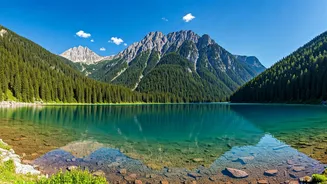
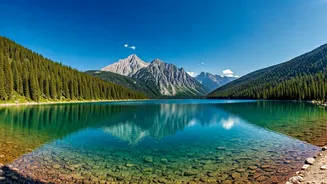
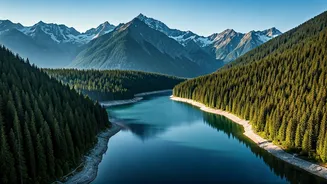
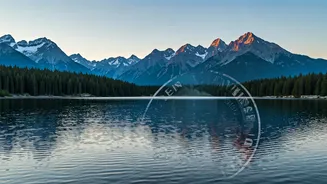
Sometimes the easiest trip is the best one. For Americans, Canada offers a foreign destination without the hassle. No visa is required—just your passport. A short flight or a scenic drive brings you to the Canadian Rockies, a region of such staggering beauty it feels worlds away. Even in the peak of summer, the mountain air in towns like Banff and Jasper, Alberta, remains refreshingly crisp. Daytime temperatures in July and August are perfect for hiking to turquoise alpine lakes, canoeing on Lake Louise, or driving the spectacular Icefields Parkway. While the towns get busy, the vastness of the national parks means you can always find a trail that offers solitude and a cool breeze. It’s the perfect blend of jaw-dropping scenery, easy logistics, and a welcome escape from the summer heat raging just a few hundred miles south.
Scandinavia: The Civilized Summer
If your goal is to pair cool weather with impeccable design and vibrant city life, look to Scandinavia. Countries like Norway, Sweden, and Denmark are part of the Schengen Area, which allows U.S. citizens to visit for up to 90 days without a visa. This makes hopping between them a breeze. Summer here is a civilized affair. In cities like Copenhagen, Stockholm, and Oslo, you’ll find long, sunny days with temperatures rarely climbing out of the low 70s. It’s the ideal climate for exploring on foot, enjoying outdoor cafes (a practice known as 'fika' in Sweden), and taking boat tours through fjords or archipelagos. You get all the benefits of a European summer—history, culture, fantastic food—without the scorching temperatures and overwhelming crowds found further south.