



The Climate-Smart Advantage
In an era of unpredictable weather and increasing water scarcity, what we grow matters as much as what we eat. This is where millets truly shine. Often called “climate-smart crops,” they are agricultural workhorses that thrive where other staples falter.
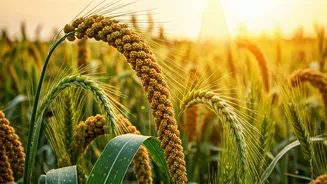
Unlike water-guzzling crops like rice or corn, most millet varieties are extraordinarily drought-tolerant and can grow in arid, nutrient-poor soil with minimal irrigation. Some can mature from seed to harvest in as little as 60-70 days, offering farmers a reliable food source even with short or erratic rainy seasons. This resilience isn't just a theoretical benefit. For farmers in parts of Africa and Asia facing desertification, millets are a lifeline. They don’t require the expensive fertilizers and pesticides that modern wheat and rice monocultures depend on, reducing both the financial burden on smallholder farmers and the chemical runoff into the environment. As the world grapples with building a more sustainable food system, millets offer a blueprint: a crop that works with nature, not against it, providing food security without draining our most precious resource—water.
A Health-Friendly Powerhouse
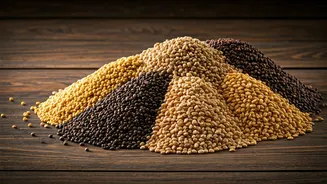
While millets are saving the day on the farm, they’re also quietly revolutionizing the pantry. For starters, all millets are naturally gluten-free, making them a fantastic and nutrient-dense alternative for people with celiac disease or gluten sensitivity. But their benefits go much deeper. They are packed with fiber, which aids digestion and promotes a feeling of fullness, potentially helping with weight management. Furthermore, millets boast a low glycemic index compared to refined grains like white rice and wheat flour. This means they release sugar into the bloodstream more slowly, preventing sharp spikes in blood sugar and making them an excellent choice for individuals managing diabetes or looking to maintain stable energy levels. They are also nutritional powerhouses, rich in essential minerals like magnesium, iron, and phosphorus, as well as antioxidants that help fight cellular damage. Whether it’s finger millet (ragi), which is high in calcium, or pearl millet (bajra), a good source of iron, each variety brings a unique profile of benefits to the table. In short, millets aren't just a substitute; they're an upgrade.
The 'Very Indian' Renaissance
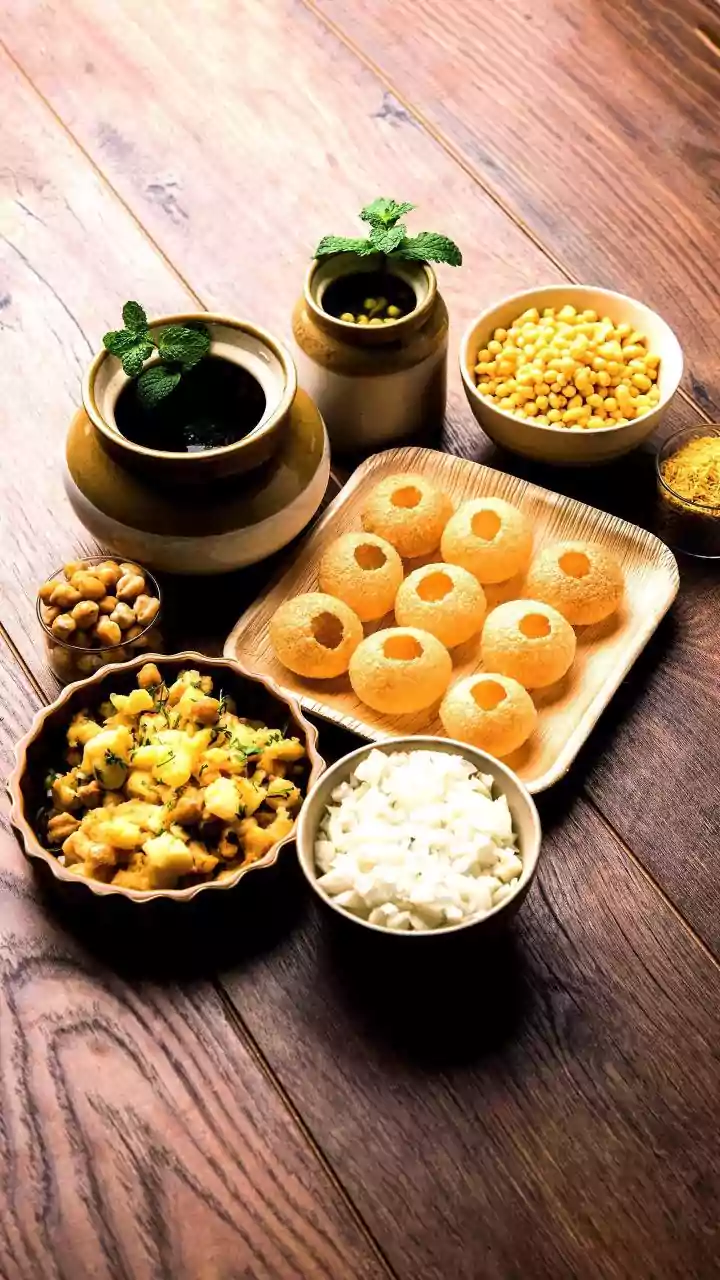
Millets might feel new to the American supermarket aisle, but they are ancient staples with deep cultural roots, particularly in India. For millennia, they were the foundation of regional diets, celebrated in everything from flatbreads (bhakri) to porridges. However, during the Green Revolution of the 1960s, government policies and market forces shifted focus to high-yield varieties of wheat and rice. Millets were pushed to the margins, stigmatized as “coarse grains” or food for the poor. Now, the tables have turned. India is leading a global charge to bring millets back, rebranding them as “nutri-cereals” and “smart foods.” The Indian government, recognizing their twin benefits for nutrition security and climate resilience, has been a major proponent. This culminated in India successfully championing the United Nations to declare 2023 the “International Year of Millets.” This wasn't just a PR campaign; it was a strategic move to restore pride in a native crop, boost farmer incomes, and offer a sustainable food solution to the world. This cultural and political revival has given millets a powerful narrative, transforming them from a forgotten food into a symbol of smart, sustainable, and healthy living.