







From Nuisance to Necessity
For decades, the pedestrian in urban India was an afterthought, an obstacle in a landscape increasingly designed for cars. Sidewalks, where they existed, were often broken, encroached upon by vendors, or used for parking. But now, the simple act of walking
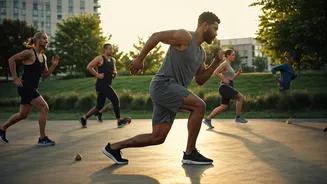
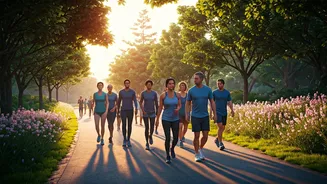
is being reclaimed. This isn't a top-down government campaign or a single, branded initiative. Instead, it’s a sprawling, organic 'movement' composed of thousands of neighborhood walking groups. In city parks at dawn, you’ll find clusters of senior citizens doing their morning rounds. On newly developed waterfronts, young professionals gather after work. In residential complexes, 'Laughter Clubs' combine gentle strolls with coordinated laughing exercises. What unites them is a shared desire to move, connect, and reclaim a piece of their environment in a way that feels both new and fundamentally human.
An Antidote to the Urban Squeeze
To understand why walking has become a phenomenon, you have to understand the modern Indian city. Rapid urbanization over the last two decades has transformed skylines but also daily life. Millions have moved from close-knit towns into anonymous high-rise apartment buildings. Traditional community spaces—the village square, the neighborhood tea stall—have been replaced by gated communities and shopping malls. This has created a dual crisis: a sharp rise in lifestyle diseases like diabetes and hypertension, and a growing epidemic of social isolation. For many, especially older adults whose children have moved away or young migrants in a new city, the daily walk has become a lifeline. It’s a low-cost, accessible form of exercise and, more importantly, a powerful antidote to loneliness. The scheduled morning walk provides structure, routine, and a much-needed dose of casual social interaction.
Safety in Numbers
The group dynamic is critical. Walking alone in many Indian cities can be daunting, particularly for women. Poor lighting, unsafe road crossings, and the risk of harassment are significant deterrents. By forming groups, walkers create their own mobile zones of safety. They look out for one another, and their collective presence makes them more visible to traffic and less vulnerable. This sense of security has been a key driver of the movement’s growth, allowing people to participate who otherwise wouldn’t. The groups often evolve beyond just walking. They become social support networks, organizing potlucks, celebrating birthdays, and checking in on members who miss a walk. This organic community-building is something that formal urban planning often fails to achieve.
From Footsteps to Political Footprint
What starts as a personal health choice is slowly gaining a collective political voice. As these walking communities grow, so does their awareness of the infrastructural barriers they face. They are the daily experts on broken pavements, missing crosswalks, and dangerous intersections. Consequently, these informal groups are becoming powerful, hyper-local advocacy blocs. They have started petitioning municipal corporations for better-maintained parks, demanding dedicated walking tracks, and lobbying for pedestrian-first policies. Organizations like the World Resources Institute (WRI) India are harnessing this energy, working with cities to improve 'walkability' scores. This grassroots pressure is a quiet but firm rebuttal to decades of car-centric development, arguing that a city’s greatness should also be measured by how well it treats its citizens on foot.