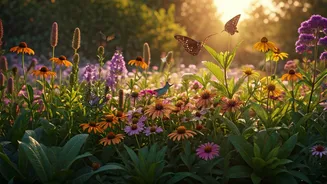





From Lawn to Sanctuary
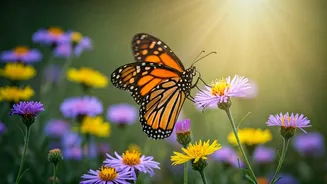
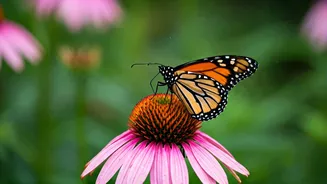
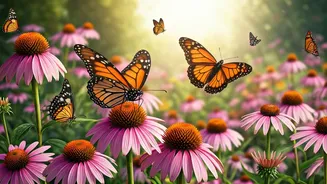
So why the sudden buzz? This trend is a perfect storm of environmental awareness and a renewed desire to connect with nature. As Americans learn more about the plight of pollinators like the monarch butterfly, whose populations have plummeted in recent
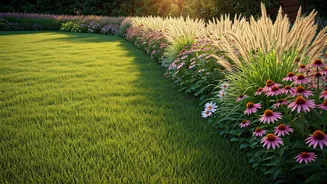
decades, many are looking for ways to help. The pristine, weed-free lawn, once a point of pride, is now seen by a growing number of homeowners as a 'green desert'—a monoculture that offers little to no support for local wildlife. Converting even a small patch of that lawn into a pollinator-friendly habitat feels like a tangible, positive action. It’s a way to 'rewild' a personal corner of the world, fostering biodiversity right outside the kitchen window. This isn't about letting your yard go; it's about curating it with a different purpose in mind: life.
More Than Just Pretty Flowers
A true butterfly garden is more than a random assortment of colorful blooms. It’s a thoughtfully designed ecosystem that supports the entire life cycle of a butterfly. Newcomers to the concept often focus only on flowers that provide nectar for the adult butterflies they see fluttering around. But a successful garden also includes something far more crucial: host plants. Host plants are specific species of plants that butterfly larvae, or caterpillars, must eat to survive. A monarch butterfly, for example, will only lay her eggs on milkweed plants. Without milkweed, there can be no new generation of monarchs. By providing both nectar sources for adults and host plants for caterpillars, you transform your yard from a simple feeding station into a full-service nursery.
Choose Native Plants
The single most important rule for a successful butterfly garden is to use plants native to your region. Local butterfly and insect species have co-evolved with these plants over thousands of years. Native flowers, shrubs, and grasses provide the right kind of nectar, foliage, and shelter at the right time of year. They are also better adapted to your local climate, soil, and rainfall patterns, meaning they will be hardier and require less watering and maintenance once established. You can find lists of plants native to your specific area through resources like the National Wildlife Federation or the Xerces Society for Invertebrate Conservation.
Plan for All-Season Blooms
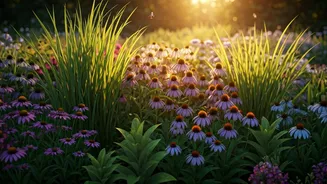
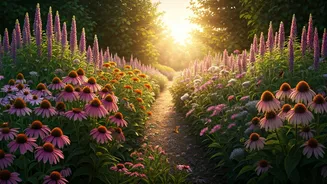
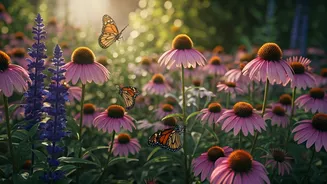
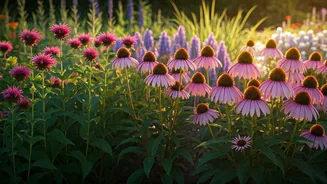
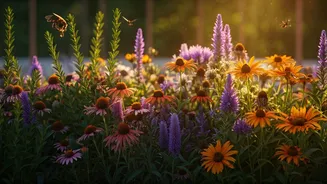
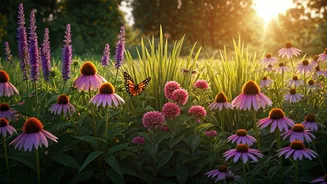
Butterflies need a consistent food source from the time they emerge in the spring until they migrate or hibernate in the fall. A common mistake is planting flowers that all bloom spectacularly in June, leaving nothing for the rest of the season. To create a reliable 'butterfly buffet,' select a variety of plants with staggered bloom times. Include early-spring bloomers like wild geranium or pussytoes, mid-summer powerhouses like coneflower and blazing star, and late-season standouts like asters and goldenrods to fuel migrating monarchs on their long journey south.
Provide Water and Shelter
Like all living things, butterflies need water, but they can't drink from a deep birdbath. Instead, they engage in 'puddling,' sipping moisture and essential minerals from damp soil or sand. You can create a simple puddling station by filling a shallow dish with sand, adding a few flat stones for perching, and keeping it consistently moist. Butterflies also need shelter from wind, rain, and predators. A log pile, a patch of tall grass, or even the leaves of your garden plants can offer the protection they need to rest safely.
Ditch the Pesticides
This is non-negotiable. Creating a butterfly garden means embracing a 'live and let live' philosophy. Pesticides and herbicides are indiscriminate killers. A chemical designed to kill aphids will also kill the monarch caterpillar munching on your milkweed. An herbicide meant to kill dandelions will also kill the clover that provides essential nectar for bees. Embracing an organic approach is fundamental. You'll soon find that a healthy garden creates its own balance. Attracting beneficial insects like ladybugs and lacewings will help control pest populations naturally. A few chewed leaves on your host plants aren't a sign of failure; they are a sign of success. It means your garden is doing its job.