


Why Monsoons Change the Game for Pets
When the skies open up and the air grows thick with humidity, your pet’s environment transforms. Veterinarians point out that these seasonal shifts are not just a matter of comfort; they directly influence health. The combination of dampness, fluctuating
temperatures, and reduced sunlight can create a perfect storm for subtle but significant issues. For instance, high humidity can make it harder for dogs to cool themselves by panting, potentially increasing heat-related stress even on moderately warm days. Furthermore, consistently damp ground is a breeding haven for bacteria, fungi, and parasites, increasing your pet’s exposure. These environmental pressures mean their bodies are working harder behind the scenes to stay balanced, a process that starts with what’s in their food bowl.
Gut Health and Hydration Are Priority One
The most immediate risk during the monsoon season is gastrointestinal distress. Puddles of stagnant water can teem with bacteria and parasites like Giardia and Leptospira, which can cause severe vomiting and diarrhea if ingested. While you can't always stop a curious dog from taking a quick sip, you can support their gut health proactively. Vets often recommend a diet rich in fiber and easily digestible ingredients to keep their digestive system robust. Consider adding a spoonful of plain, unsweetened pumpkin puree to their food for fiber. Probiotic supplements or pet-friendly yogurt can also help maintain a healthy balance of gut flora, providing a stronger defense against ingested pathogens. Equally important is hydration. It’s a common misconception that pets drink less in cooler, wetter weather. Always provide fresh, clean water indoors, and be vigilant about changing it, as high humidity can speed up bacterial growth in their water bowl.
Adjusting Calories for Cozier Days
Rainy days often mean canceled walks and fewer trips to the park. This sudden drop in physical activity can lead to a common, creeping problem: weight gain. A few extra pounds can put significant strain on your pet's joints and overall health. This is where dietary planning becomes crucial. If your pet is noticeably less active, a slight reduction in their daily calorie intake may be necessary. You don’t need to make drastic changes; for many pets, reducing their portion size by about 10% is a good starting point. You can also swap out high-calorie training treats for healthier alternatives like baby carrots or small pieces of apple (with seeds removed). The goal is to match their energy intake with their reduced energy expenditure, keeping them at a healthy weight until their normal activity routines can resume.
Boosting Immunity and Skin Health
Persistent dampness is tough on skin and fur. The humid air can trap moisture close to your pet’s skin, creating an ideal environment for fungal infections (like yeast) and bacterial hotspots, especially in breeds with thick coats or skin folds. A strong immune system is the first line of defense. Ensure your pet’s diet includes immune-supporting nutrients. Foods rich in antioxidants, such as those containing blueberries or kale, can help. Omega-3 fatty acids, found in fish oil or flaxseed, are particularly beneficial. They not only support immune function but also have anti-inflammatory properties that promote a healthy skin barrier, making it more resilient to moisture-related irritation. A shiny, healthy coat isn't just for looks; it’s a sign of good internal health.
Food Safety in a Humid Home
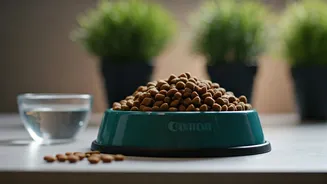
Finally, don’t forget about the food itself. A bag of dry kibble that stays fresh for weeks in dry weather can become a target for mold in a humid, monsoon-season home. Humidity can cause dry food to absorb moisture, leading to spoilage, a loss of nutrients, and the growth of potentially toxic molds like aflatoxin. Store your pet’s kibble in its original bag, but place that bag inside a sealed, airtight container. Avoid pouring the food directly into a plastic bin, as the fats and oils can leach into the plastic over time and turn rancid. Check food daily for any signs of dampness or a musty smell, and discard anything that seems off. This simple storage step is one of the easiest and most important parts of a monsoon-ready diet plan.