



What is a 'Monsoon Cabin'?
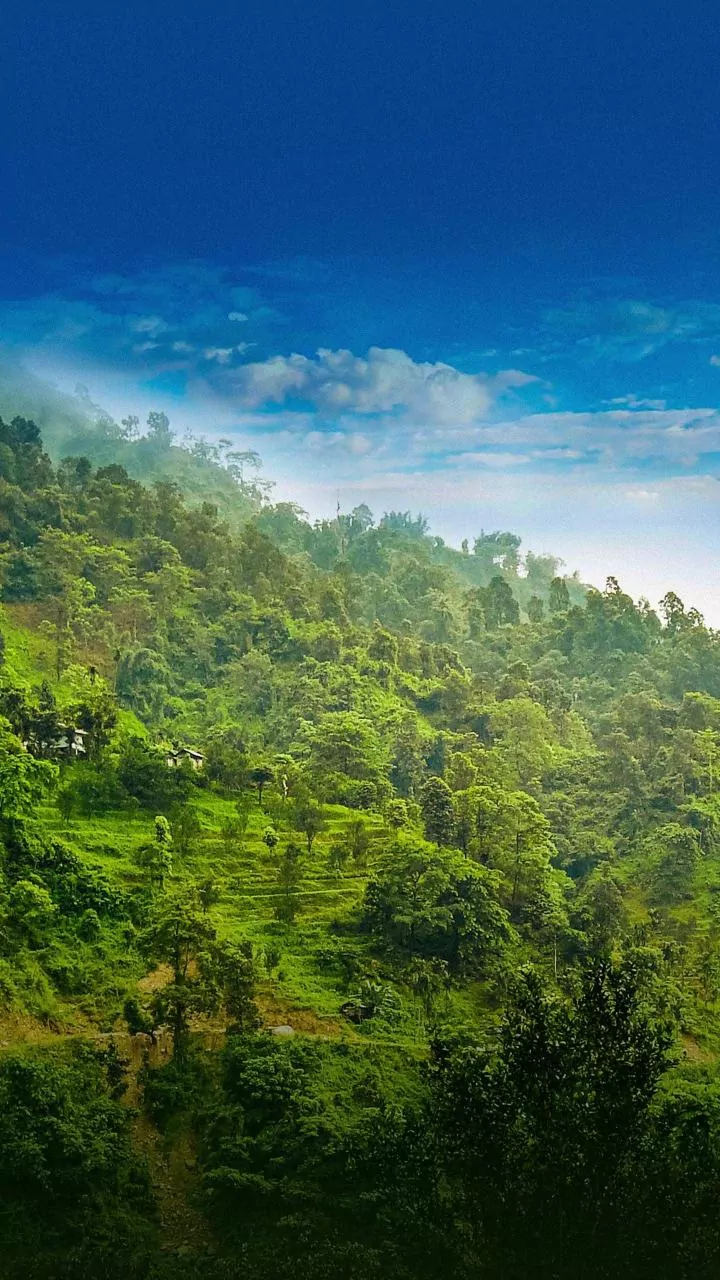
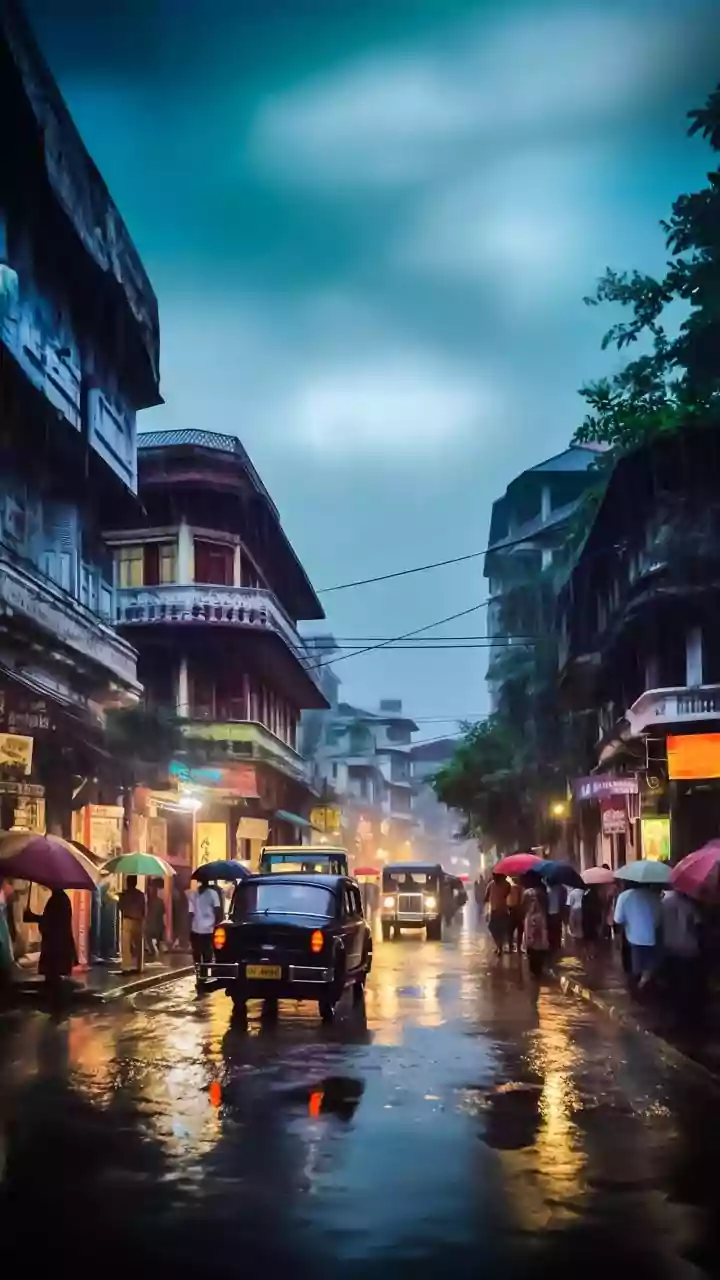
Let’s get one thing straight: you don’t need to be in the path of a literal South Asian monsoon to experience this trend. The “monsoon cabin” is less a geographical descriptor and more a state of mind—a design philosophy centered on embracing the elements
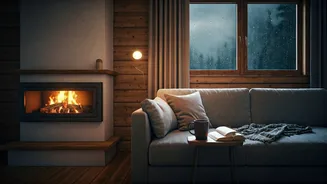
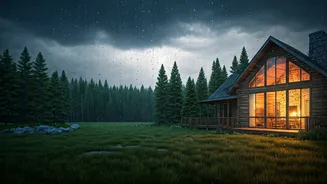
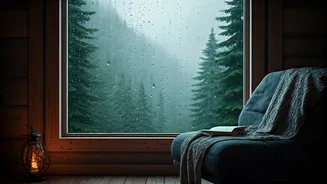
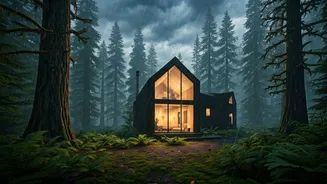
rather than just sealing them out. Think of a minimalist A-frame in the Pacific Northwest with a wall of glass facing a temperate rainforest, a metal roof designed to amplify the sound of a downpour, and a wood-fired stove roaring inside. This isn't about survival; it's about curated immersion. The core promise is simple yet profound: to provide a front-row seat to nature’s dramatic theater. These structures are built for storm-watching, for listening to wind howl through the trees from the safety of a wool blanket, and for finding beauty in a world washed in shades of grey and green. It redefines a “bad weather day” as the main event.
The Deep Appeal of Coziness
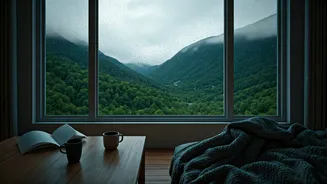
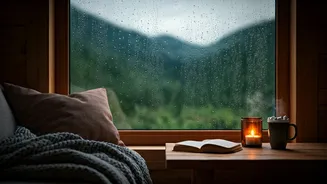
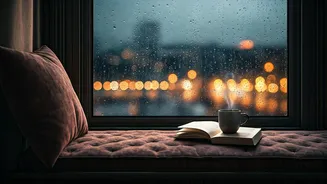
The allure of the monsoon cabin taps into a powerful psychological need. It’s the Danish concept of *hygge* supercharged—that feeling of cozy contentment and well-being. But true coziness is amplified by contrast. A warm, crackling fire feels infinitely more comforting when you can see and hear a storm raging just outside your window. This manufactured sense of shelter, of being safe and snug while the world outside is wild and tempestuous, is deeply reassuring. In our hyper-connected, over-stimulated lives, the enforced quiet of a rainy day offers a rare permission to slow down. There are no sunny trails to hike or crowded beaches to visit. The agenda is simple: read a book, sip a hot drink, watch the rain, and just be. It’s a forced mindfulness, a welcome retreat from the pressure of productivity that follows us everywhere else. These cabins aren't just selling a place to stay; they're selling a feeling of profound peace and security.
Architecture for the Atmosphere
The design of these cabins is key to their appeal. They are purpose-built to frame the weather, not ignore it. The most prominent feature is almost always massive windows, turning the dramatic landscape into a living piece of art. The interior is often kept minimalist—simple wood tones, clean lines, and neutral colors—to ensure nothing distracts from the view outside. Materials are chosen for both durability and sensory experience. Metal roofs are popular because they create a soothing, percussive soundtrack during a rainstorm. Covered porches or outdoor hot tubs allow you to feel the cool, misty air without getting soaked. Every element is thoughtfully curated to enhance the connection to the environment. Unlike a standard vacation home that might feel like a suburban transplant, these cabins are in conversation with their surroundings, designed to be beautiful *because* of the moody, atmospheric conditions, not in spite of them.
Where the Trend is Pouring In
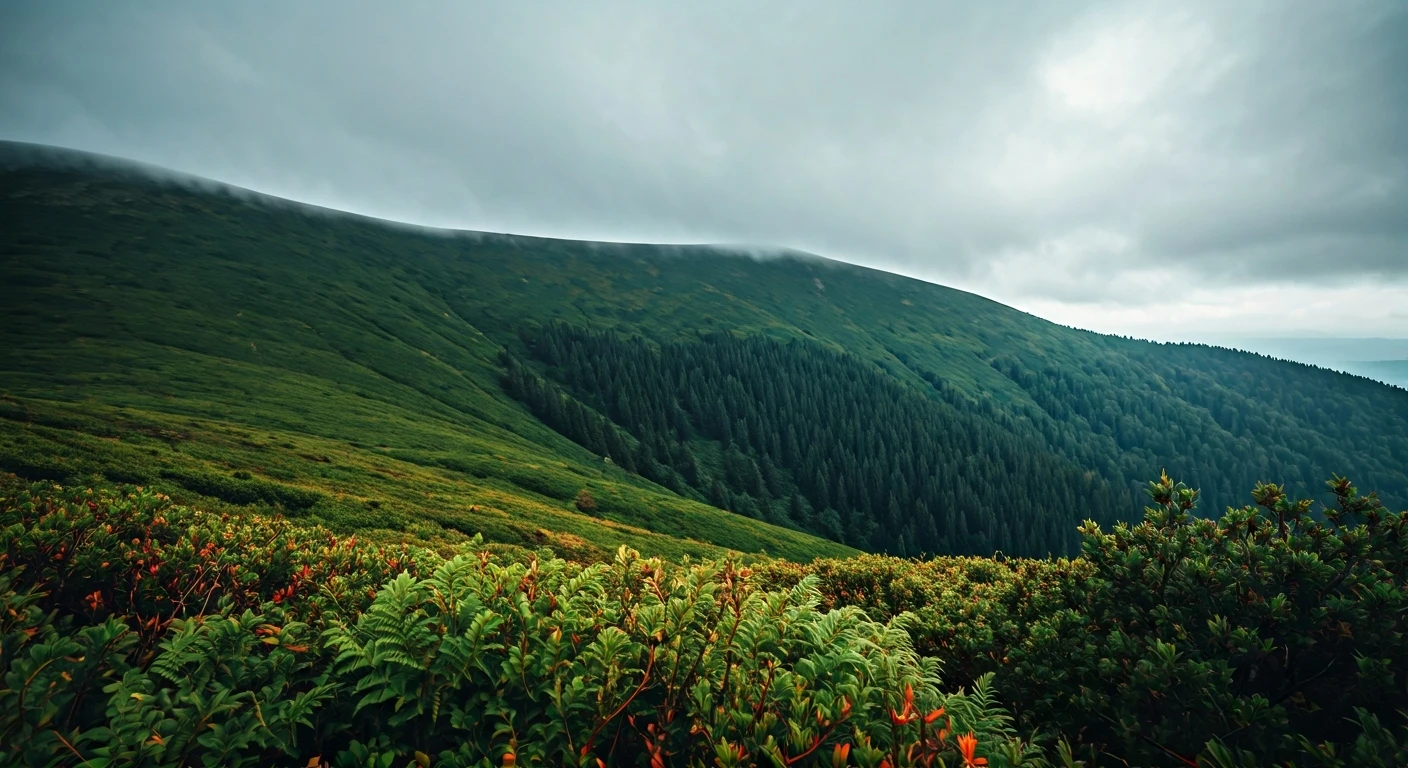
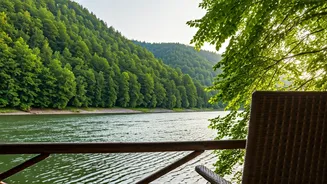
This hunker-down-and-enjoy-it mentality is flourishing in places already known for their dramatic, often damp, climates. The Pacific Northwest is the unofficial capital of the monsoon cabin craze, with countless rentals in Washington, Oregon, and British Columbia marketing themselves as perfect rainy-day retreats. The Catskills and Adirondacks in New York have also become hotspots, where misty mornings and foggy mountain views are the primary draw. But the trend isn't limited to North America. The mossy, mystical landscapes of Scotland, the fjord-lands of Scandinavia, and even the off-season in Costa Rica’s cloud forests are attracting travelers who see value in the “green season.” As remote work continues to untether people from their desks, the ability to escape for a week to a beautiful, moody cabin to work and unplug has never been more appealing.