



Goodbye, Guilt. Hello, Balance.
For years, the wellness gospel preached consistency at all costs. If you ran five miles a day at home, you were expected to find a way to run five miles a day in Rome, even if it meant waking up at dawn and missing a sunrise croissant. This all-or-nothing
approach sets up a cycle of pressure and failure. Either you stick to a rigid plan and resent it, or you abandon it entirely and feel like you've fallen off the wagon. The new school of thought champions a more compassionate and realistic approach: ‘something is better than nothing.’ It’s about trading punishing obligations for joyful opportunities. Instead of viewing vacation as a threat to your progress, you can see it as a chance for active recovery, exploration, and mindful movement that complements your trip rather than competing with it.
Redefine What Counts as a 'Workout'
A key part of this shift is broadening your definition of exercise. A workout doesn’t have to involve dumbbells, a treadmill, or a specific heart rate zone. On vacation, movement can and should be integrated into the experience itself. That long, hilly walk exploring the streets of San Francisco? That’s a workout. An hour spent swimming and splashing in the ocean with your kids? That’s a workout. A morning hike to a scenic viewpoint, a bike ride through wine country, or even an evening of dancing—it all counts. The goal is to move your body in ways that feel good and add to your vacation memories, not subtract from them. By focusing on activity rather than ‘exercise,’ you remove the pressure and tap into the simple pleasure of being in a new environment.
Embrace the 15-Minute Rule
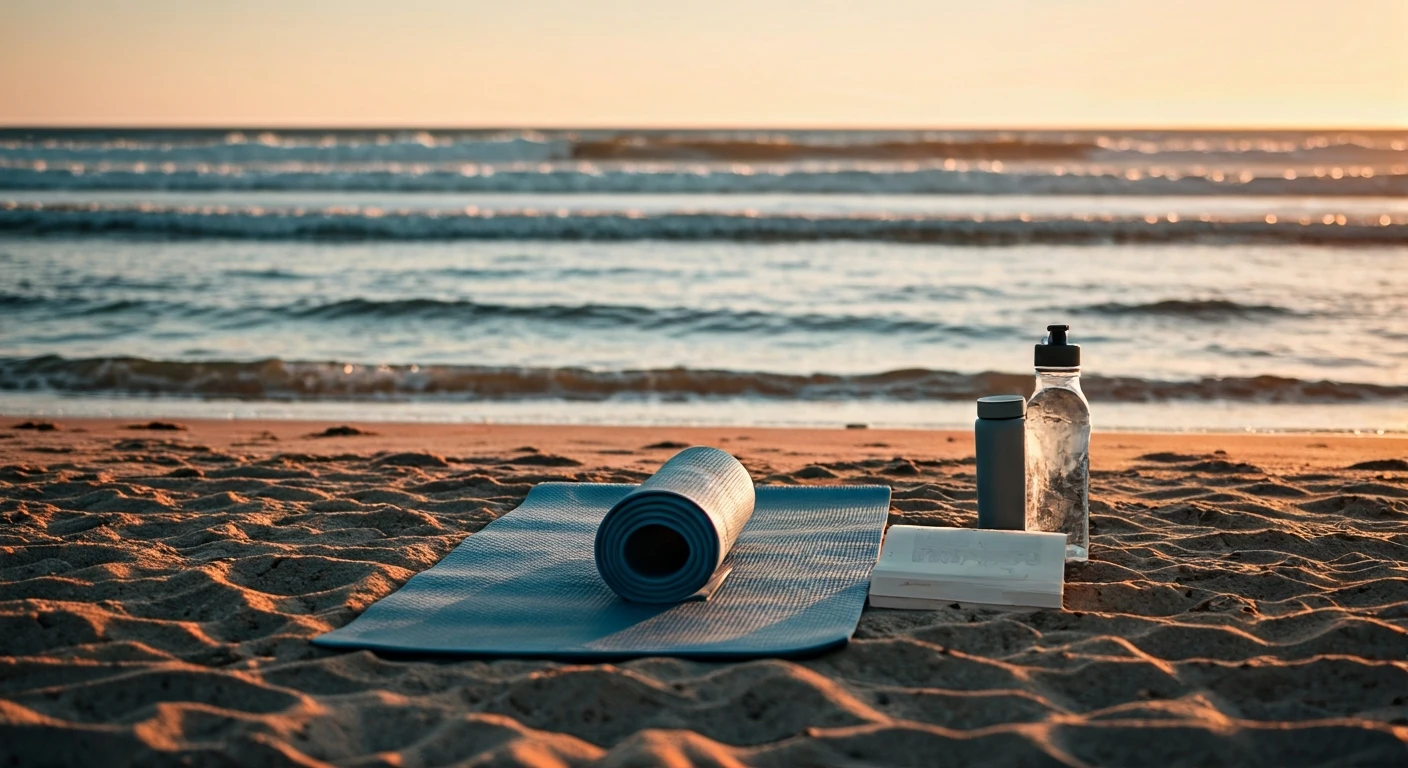
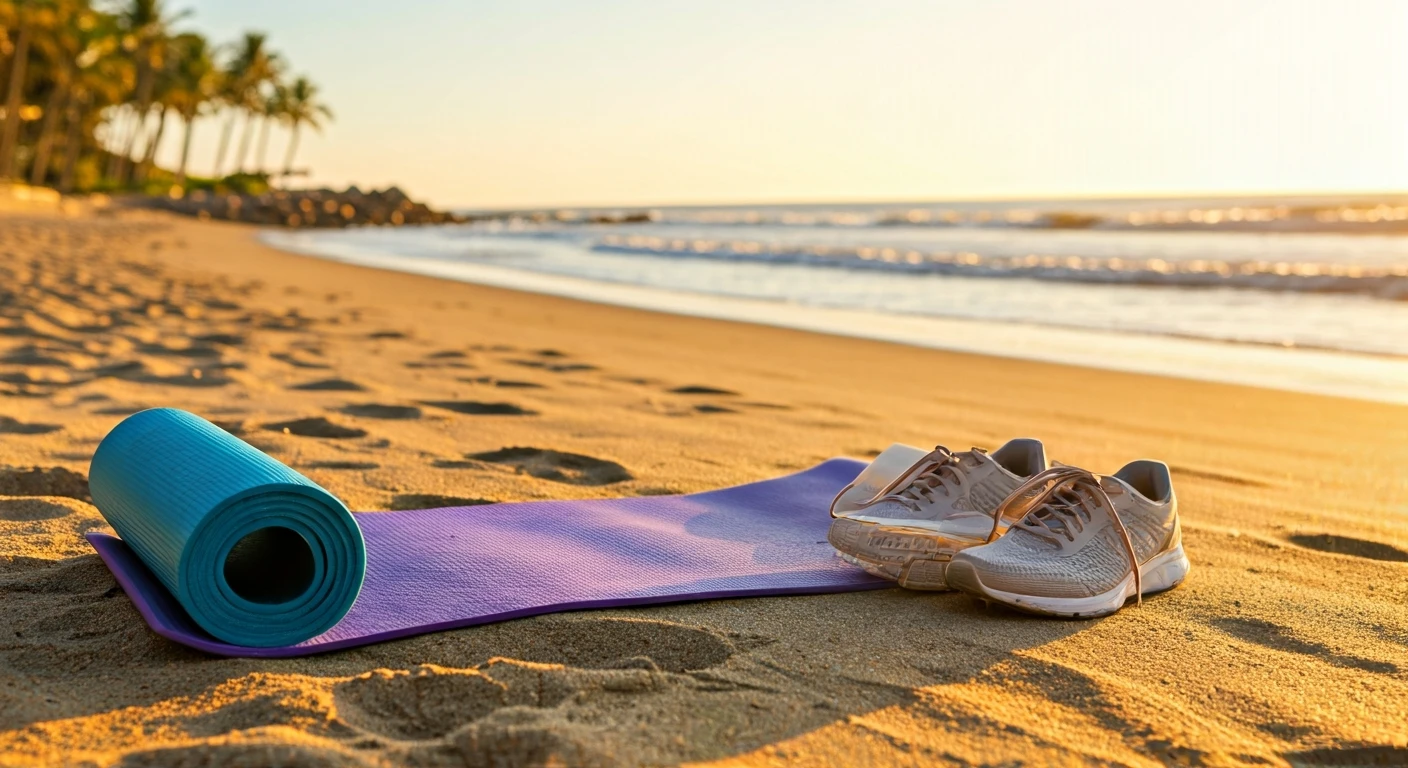
Even with a more relaxed mindset, some people genuinely feel better with a structured routine. For them, the key is efficiency. The hour-long gym session that feels manageable at home can feel like a monumental time-suck on a limited vacation schedule. Enter the 15-minute workout. A short, focused session of bodyweight exercises—think squats, push-ups, planks, and lunges—can be surprisingly effective for maintaining strength and boosting your metabolism. The same goes for a quick yoga flow or stretching session first thing in the morning to work out travel-related kinks. Committing to just 15 minutes is mentally easy. It’s short enough that it doesn’t derail your plans, but consistent enough to make you feel accomplished and energized for the day ahead.
Plan for Activity, Not Just Exercise
One of the best ways to stay active on vacation without thinking about it is to build movement directly into your itinerary. Instead of defaulting to a rental car or rideshare for every excursion, look for opportunities to walk. Book a walking food tour. Choose a hotel that’s centrally located or near a scenic park or beach path. Rent kayaks to explore a coastline or stand-up paddleboards to cruise a calm lake. In many destinations, renting a bike is the most efficient and enjoyable way to get around. This approach flips the script: instead of trying to shoehorn a workout into your vacation, the vacation *is* the workout. You’re not taking a break from sightseeing to exercise; you’re sightseeing in an active, engaging way.
Listen to Your Body's Vacation Mode
Vacation is a time to rest and recharge, and your body often needs that break more than you realize. Travel itself—with its time zone changes, long periods of sitting, and different sleep patterns—is a physical stressor. Pushing yourself through a high-intensity workout when you’re jet-lagged and dehydrated is often counterproductive and can even increase your risk of injury. The new approach to vacation fitness encourages you to listen to your body’s signals. If you’re feeling energetic, go for a run. If you’re feeling tired and sore, maybe a gentle stretch or a leisurely swim is a better choice. Or perhaps the best thing for your well-being is to do nothing at all—to simply lie on the beach, read a book, and let your body fully recover. True wellness is about balance, and sometimes the healthiest choice is rest.