




More Than Just Houseplants
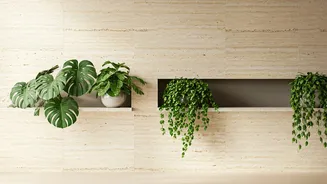
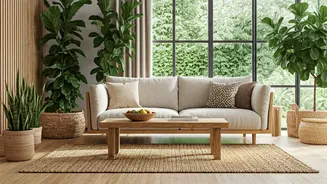
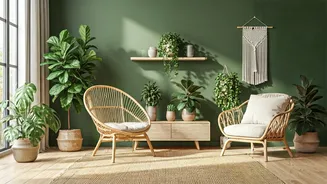
When people hear “biophilic design,” they often picture a room overflowing with fiddle-leaf figs. While plants are a part of it, the philosophy runs much deeper. Coined from the term “biophilia,” meaning an innate love for the natural world, this design approach
is about creating spaces that mimic the patterns, materials, and sensory experiences of nature. It’s an antidote to our increasingly screen-filled, indoor lives. The goal isn't just to decorate a room but to build an environment that reduces stress, boosts creativity, and improves overall well-being. This is achieved through natural light, views of nature, and, most fundamentally, the use of natural materials.
The Power Couple: Wood and Stone
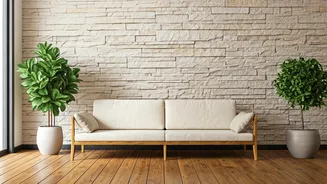
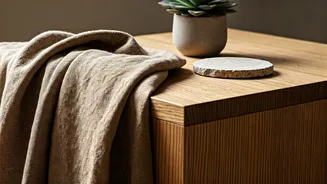
Among all natural materials, the pairing of wood and stone is elemental. It’s a combination we see everywhere in the wild, from a rocky coastline dotted with trees to a mossy boulder in a forest. This inherent familiarity is what makes it so powerful indoors. Wood brings warmth, organic texture, and a sense of life. Its grains tell a story of growth and time. Think of the soft feel of a worn oak floor or the intricate pattern of a live-edge maple table. Stone, in contrast, provides coolness, permanence, and a grounding weight. It speaks of mountains, riverbeds, and the earth's ancient history. When combined, they create a perfect balance: the wood softens the stone's austerity, and the stone gives the wood a solid anchor. This textural and thermal contrast engages our senses on a subconscious level, making a space feel both secure and alive.
Finding a Light and Airy Balance
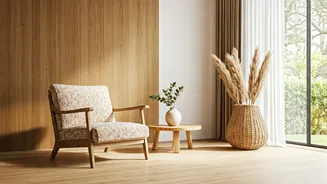
For a space that feels open, serene, and spacious, lean into lighter tones. This approach is perfect for kitchens, bathrooms, and living areas where you want to maximize natural light. Pair pale woods like white oak, ash, or light maple with stones that have a clean, bright presence. Carrara or Calacatta marble offers a classic, sophisticated look with its soft gray veining. Limestone and travertine provide a more rustic, matte texture that feels wonderfully earthy underfoot. For a durable and modern alternative, consider light-colored quartzite countertops, which can mimic the look of marble without the high maintenance. The key is to maintain a low-contrast palette, allowing the subtle differences in texture between the smooth stone and the grained wood to provide visual interest.
Creating a Dark and Dramatic Retreat
If you’re aiming for a cozier, more intimate atmosphere, embrace darker materials. This works beautifully in bedrooms, dens, or home offices where you want to create a feeling of being enveloped and protected. Pair rich, dark woods like walnut, ebony, or stained cherry with stones that have depth and character. Slate is a fantastic choice for floors or accent walls, offering a beautifully textured, matte finish. Soapstone is a popular option for countertops, known for its velvety feel and the way it patinas over time. Dark granite can also be used to great effect, especially varieties with dramatic veining. The goal here is to create a moody, sophisticated sanctuary. To prevent the space from feeling too heavy, ensure you have excellent accent and ambient lighting to highlight the rich textures of the materials.
Start Small, Think Tactile
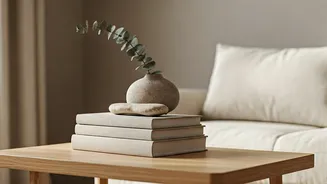
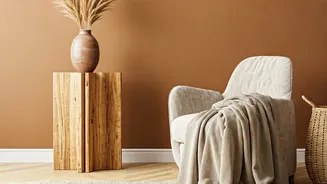
A full-scale renovation isn't the only way to embrace this trend. You can introduce the grounding combination of stone and wood in smaller, more accessible ways. Think about the objects you touch every day. A set of slate coasters on a wooden coffee table, a heavy marble mortar and pestle in the kitchen, or a smooth wooden bowl for your keys can provide small moments of sensory connection. Consider adding a live-edge wood shelf supported by simple stone-like brackets. A side table with a travertine top and a walnut base can become a focal point in a reading nook. Even a collection of smooth river stones displayed on a wooden mantle can evoke a sense of natural calm. These small touches layer texture and authenticity into your home, making it feel more personal and deeply connected to the natural world.