







Don't Drive Through Standing Water
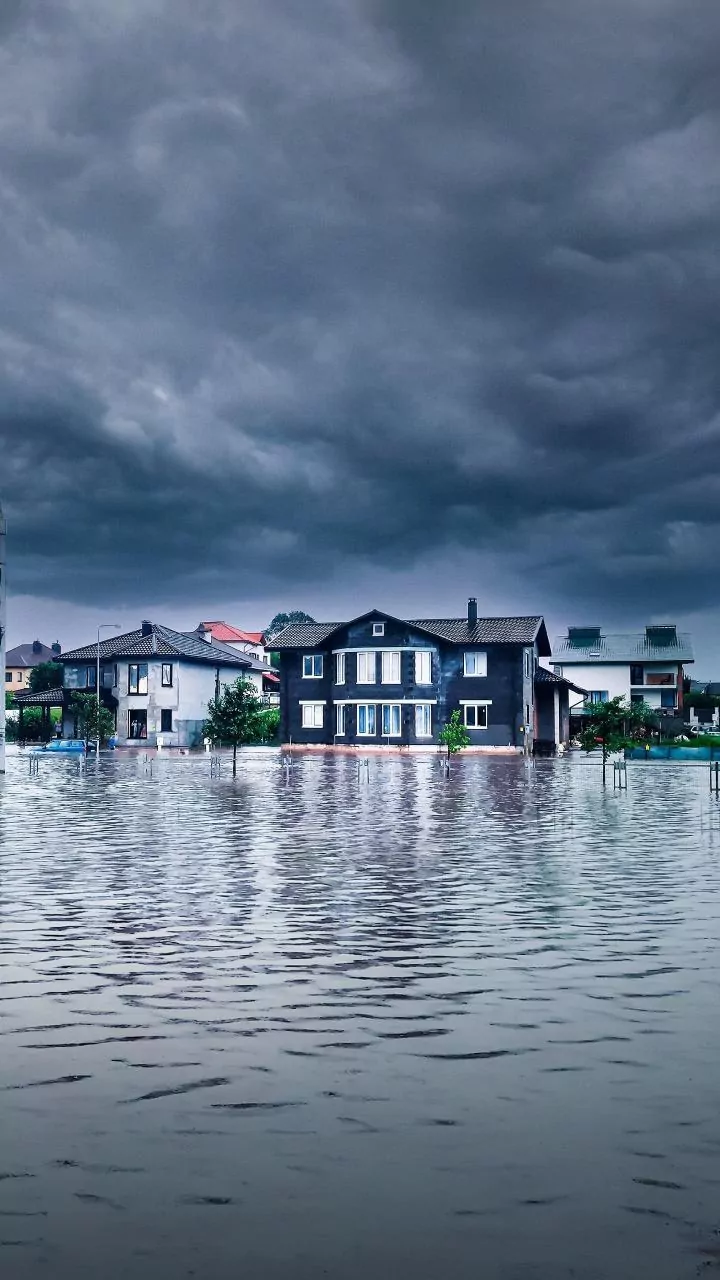
It’s the single most repeated piece of advice for a reason: it’s impossible to know how deep that water is or what’s underneath. A mere six inches of water can reach the bottom of most passenger cars, causing loss of control or stalling. A foot of water can float
many vehicles, and two feet of rushing water can carry away most vehicles, including SUVs and pickups. The National Weather Service campaign “Turn Around, Don't Drown” exists because flash floods are deadly. Beyond the depth, you can’t see hidden hazards like potholes, debris, or downed power lines. The risk is never worth the shortcut.
Don't Use Cruise Control
Cruise control is a fantastic feature for long, dry highway stretches, but it becomes a liability in the rain. The system's job is to maintain a constant speed, which can be dangerous if you begin to hydroplane. When your tires lose contact with the road surface, cruise control may detect the lack of resistance as a slowdown and actually attempt to accelerate. This is the exact opposite of what you should do. In wet conditions, you need complete manual control of your acceleration and braking to react to changing traction. Keep your foot on the pedal and your full attention on the road.
Don't Ignore Your Gutters
This mistake happens before the rain even starts. Gutters clogged with leaves, twigs, and other debris can't do their job, which is to channel water away from your home. Instead, water will overflow, cascading down your siding, pooling around your foundation, and potentially seeping into your basement or crawl space. Over time, this can lead to serious water damage, mold growth, and even foundational cracks. A simple, seasonal gutter cleaning is one of the most effective preventative measures you can take to protect your home from water damage during the rainy season.
Don't Run Major Appliances During a Thunderstorm
If the rain is accompanied by lightning, it’s wise to hold off on doing laundry or running the dishwasher. A nearby lightning strike can cause a massive power surge to travel through your home’s electrical wiring, utility lines, and plumbing. This surge can fry the sensitive electronic components in modern appliances, rendering them useless. While a good surge protector can help shield smaller electronics like your computer and TV, major appliances are often plugged directly into the wall. The safest bet is to simply wait until the storm passes before using them.
Don't Wade Into a Flooded Basement
Discovering water in your basement is stressful, but your first instinct to rush in and assess the damage could be a fatal one. If the water level is high enough to reach electrical outlets, the furnace, or the fuse box, the entire area could be electrified. Stepping into energized water is a severe electrocution hazard. Before you enter, shut off the power to your home at the main breaker, but only if you can do so from a dry, safe location. If you have any doubt, stay out and call an electrician and a water remediation professional immediately.
Don't Forget About Your Tires
Properly inflated tires with good tread are your best defense against hydroplaning. The grooves in your tires are designed to channel water away from the contact patch, allowing the rubber to maintain its grip on the pavement. When tires are underinflated or the tread is worn down, they can't disperse water effectively. This creates a thin film of water between the tire and the road, causing you to lose steering and braking control. Before the rainy season kicks into high gear, check your tire pressure and inspect the tread depth. It’s a simple check that dramatically improves your safety on wet roads.