



The Quiet Rebellion on Our Cheeks
After a long reign of quiet luxury and the 'clean girl' aesthetic—where the goal was to look like you weren't wearing makeup at all—a colorful coup is underway. The rebellion is being staged on our cheekbones. We're seeing a full-throated return to bold,
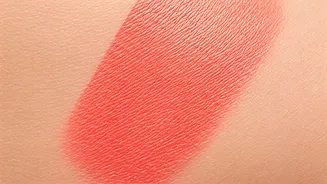
expressive blush. This isn't your mother's gentle sweep of rose. This is blush as a statement: draped high on the temples, packed onto the apples of the cheeks, and unapologetically pigmented. Pop culture darlings like Sabrina Carpenter have made intensely flushed, doll-like cheeks part of their signature look, while runways from New York to Paris have sent models out with vibrant swipes of fuchsia, coral, and crimson sculpting their faces. The pendulum has swung from 'I woke up like this' to 'I look like this on purpose, and I love it.'
It’s Called Draping, Darling
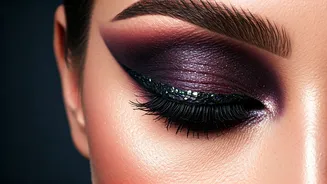
What separates this trend from simply being heavy-handed with the powder is technique. The modern resurgence is heavily influenced by 'draping,' a makeup artistry method popularized in the 1970s and '80s by the legendary Way Bandy, makeup artist to stars like Cher and Diana Ross. Draping uses blush to sculpt and define the face, much like contouring does with bronzer. Instead of just a pop on the apple of the cheek, the color is swept from the cheekbone up toward the temple, often connecting with the eyeshadow. This C-shaped application lifts the face and creates a dramatic, cohesive look. Today's version is slightly softer than its '80s predecessor, often using cream or liquid formulas for a more seamless, skin-like finish, but the intent remains the same: to make the blush a focal point, not an afterthought.
A Brief History of Power Blush
This isn’t the first time blush has been used as a tool of empowerment. The 1980s, an era of power suits and female ambition, was the high-water mark for assertive blush. Women like Grace Jones and Debbie Harry wore streaks of vibrant color that felt as bold as their music and fashion. It was makeup as armor, a visual signifier of confidence and a refusal to blend in. Before that, the '70s disco scene saw blush used to capture the light and energy of the dance floor. Go back even further, and you’ll find 18th-century French aristocrats (both men and women) using obvious circles of rouge to signal wealth and status. The common thread through history is that when blush gets loud, it’s often tied to a cultural moment of performance, confidence, or social declaration.
Why Now? The Psychology of a Flushed Face
So why is this unapologetic trend resonating so strongly right now? Culturally, we're craving joy, vibrancy, and a bit of theatricality after years of turmoil and restraint. A brightly flushed cheek is the physical manifestation of vitality and exuberance. It mimics the natural flush of excitement, health, or even a post-workout glow—all things associated with being alive and well. On a deeper level, it’s a rejection of the curated perfection that dominated social media for so long. The 'clean girl' was about erasing imperfections; bold blush is about adding personality. It’s a playful way to take up space, to be seen, and to signal that you’re not afraid to be a little 'too much.' In a world that often encourages subtlety, especially from women, a slash of bright pink across your cheekbone is a small, joyful act of defiance.