




Meet the New Consumer Kings
First, let’s talk numbers, because they’re staggering. India has the world’s largest youth population, with more than 600 million people under the age of 25. This demographic—a mix of Millennials and Gen Z—isn't just a statistic; they are the most powerful
consumer force in the country. Unlike their parents, who often grew up in an economy of scarcity and prioritized saving, this generation is coming of age with more disposable income, global exposure via the internet, and a completely different set of aspirations. They are digitally native, socially conscious, and chronically online. For them, consumption isn't just acquiring things; it’s a form of self-expression. And nowhere is this more visible than in what they choose to eat.
Redefining 'Value' Beyond the Price Tag
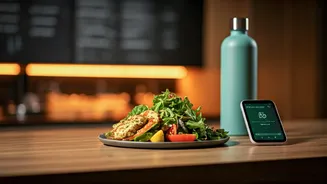
The phrase “worth it” is the key to understanding this shift. For previous generations of Indian consumers, value was simple: it meant getting the most for the least amount of money. For young India, value is a much more complex equation. A 150-rupee (about $1.80) coffee isn't just a drink; it's the experience of sitting in an aesthetic, air-conditioned café with good Wi-Fi. It’s the social currency of posting a picture of that coffee on Instagram. A salad bowl that costs more than a traditional thali meal is 'worth it' because it aligns with a wellness-focused identity. The value isn't in the calories; it's in the story the food tells about the person eating it. This new calculus includes factors like ambiance, brand story, health benefits, authenticity, and, crucially, photogenic presentation.
The Instagrammable Imperative
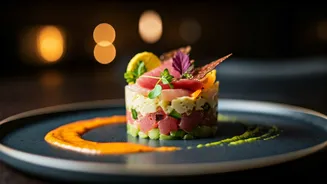
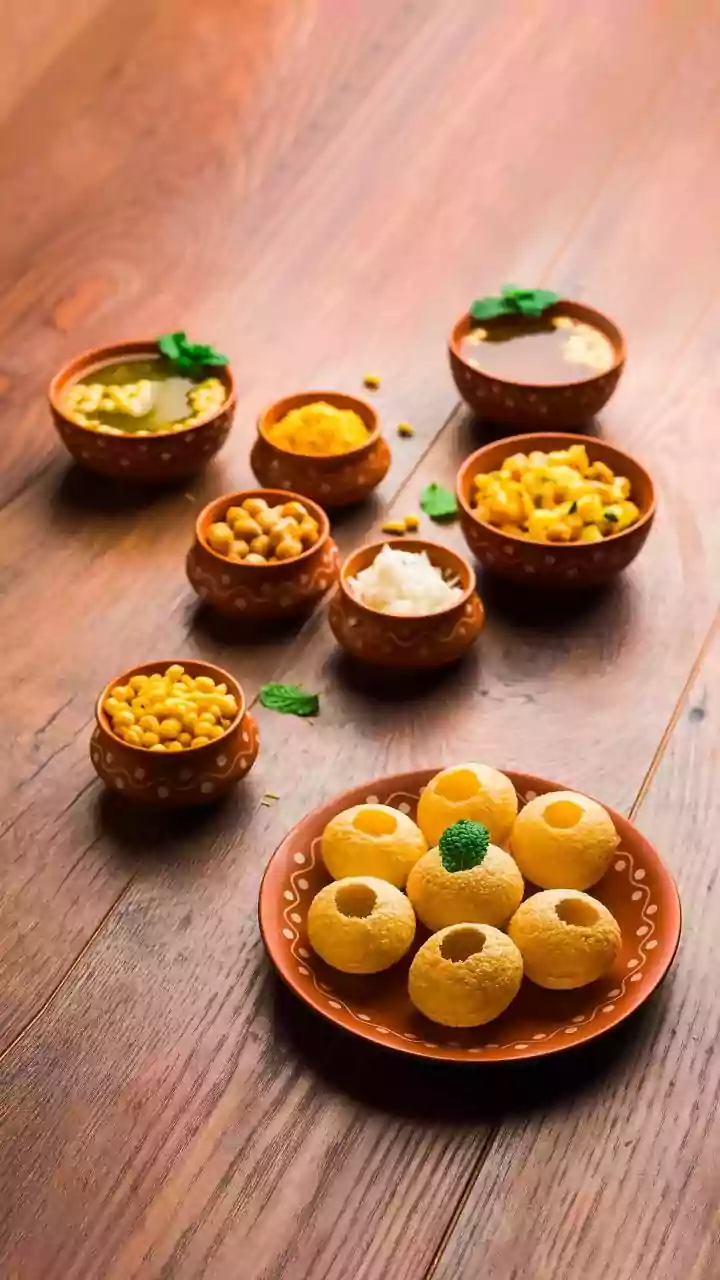
You can't talk about modern food culture anywhere without talking about social media, and in India, its influence is magnified. With some of the cheapest mobile data rates in the world, platforms like Instagram and YouTube are the primary channels for discovery. Food is now a visual medium first, a culinary one second. Restaurants and cafes are being designed with 'Instagrammable' corners. Dishes are engineered to be photogenic, with vibrant colors and unique plating. A quirky-looking plate of momos or a perfectly poured latte art can go viral, driving more foot traffic than a traditional newspaper ad ever could. This creates a feedback loop: young consumers seek out visually appealing food to build their own social media presence, and food businesses cater to this demand to stay relevant. If it doesn't look good on the 'gram, it might as well not exist.
A Global Palate with a Local Twist
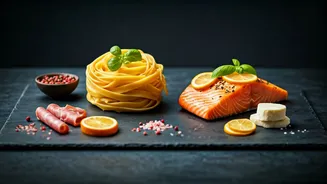
While American chains like McDonald's and Domino’s have been in India for decades, the new wave of culinary curiosity goes much deeper. Young Indians are actively seeking out global flavors they've seen in K-dramas, anime, or on their favorite travel vlogger's feed. This has led to a boom in demand for everything from Korean ramen and Japanese sushi to authentic Mexican tacos and Italian pasta. But it's not a complete rejection of Indian food. Instead, we're seeing a surge in 'new-age Indian' cuisine—restaurants that use traditional flavors in modern, innovative formats. Think avocado-stuffed parathas or deconstructed biryani. They want the comfort of familiar tastes presented in a package that feels fresh, exciting, and, of course, worthy of a social media post.
The Challenge for Brands
This shift is both a massive opportunity and a huge threat for food companies, both local and global. Legacy brands built on a platform of affordability are struggling to connect with a generation that craves a narrative. Meanwhile, new-age, direct-to-consumer brands are thriving by offering healthy snacks, artisanal ingredients, and a strong online presence. The fast-food giants are also adapting, revamping their store designs, localizing menus with a premium twist, and investing heavily in digital marketing. The winners in this new market won't be the cheapest or the most traditional; they will be the brands that understand that young India isn't just buying food—they're buying an identity.