

The Case for a Natural Drench
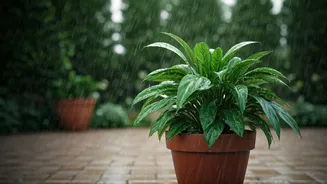
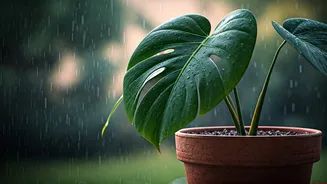
The argument for giving your houseplants an occasional rain bath is compelling, and it goes far beyond just getting them wet. Unlike treated tap water, which can contain chlorine, fluoride, and other minerals that build up in the soil over time, rainwater
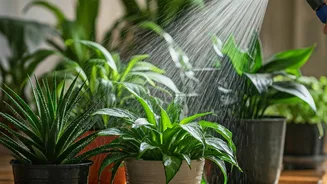
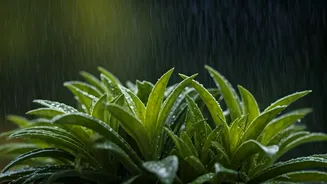
is naturally soft and slightly acidic. This acidity is a boon for many houseplants, especially tropicals, as it helps them absorb nutrients more efficiently from the soil. Furthermore, rainwater is a natural source of nitrogen in a form that plants can readily use, providing a gentle, free fertilizer that encourages lush, green foliage. A good shower also does something a watering can like: it washes dust and grime off the leaves. This not only makes the plant look better but also improves its ability to photosynthesize, essentially unblocking its pores so it can breathe and absorb sunlight more effectively. For a plant that’s been sitting inside accumulating household dust, a gentle summer rain is like a spa day.
The Hidden Risks of the Great Outdoors
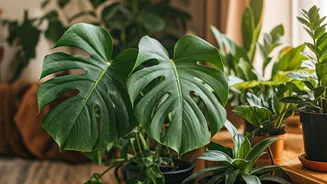
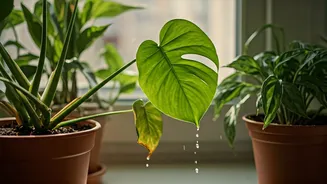
Before you rush your entire plant collection outside at the first sign of clouds, it’s crucial to understand the risks. The primary danger is overwatering. A pot without excellent drainage can quickly become a swamp in a sustained downpour, leading to root rot—one of the fastest ways to kill a houseplant. A sudden, violent thunderstorm is also a threat. Strong winds can snap delicate stems, and heavy raindrops or hail can shred large, tender leaves on plants like fiddle leaf figs or monsteras. Another major concern is pests. The outdoors is full of insects, and placing your plant on the ground or a porch railing is an open invitation for ants, spider mites, or other unwanted guests to hitch a ride back inside. Finally, there's the shock factor. A plant accustomed to the stable, shady environment of your living room can suffer from sun-scald if it's left out in a spot that gets direct sun after the rain clears. This sudden change in temperature and light can be more stressful than beneficial.
Know Your Plant: Who Gets to Go?
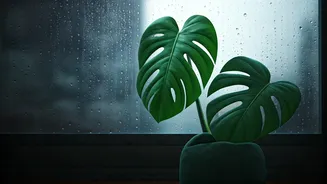
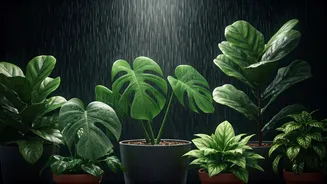
The success of a rain shower hinges on knowing your plant's preferences. Not every plant enjoys this treatment. Tropical plants that originate from rainforest understories are the best candidates. Think monsteras, philodendrons, pothos, calatheas, and most ferns. They are naturally adapted to frequent, warm rains and high humidity. Epiphytes like orchids and bromeliads, which grow on other trees in their native habitats and collect rainwater, also appreciate the boost. On the other hand, some plants should almost always stay inside. Succulents and cacti are adapted to arid conditions and are extremely susceptible to root rot from excessive moisture. Plants with fuzzy leaves, like African violets, can be problematic; water that sits on their foliage can cause spotting and rot. Any plant that is already stressed, recently repotted, or showing signs of pest or fungal issues should also remain indoors, as the stress of the move and the rain could make things worse.
A Quick-Start Guide to Safe Showers
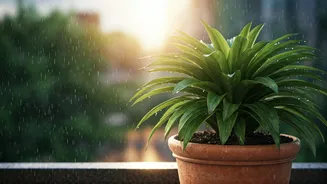
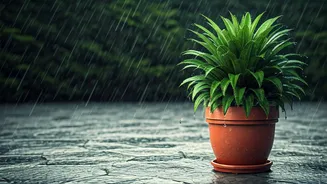
If you’ve decided your plant is a good candidate, a little preparation turns a risky venture into a rewarding one. First, pick the right rain. A gentle, steady shower is perfect; a raging thunderstorm with high winds is not. Second, placement is key. Don't just stick the plant in the middle of the lawn. Place it in a somewhat sheltered spot, like under the overhang of a porch or a large tree, to protect it from the full force of the downpour. Before taking it out, do a quick pest check to ensure you're not bringing any problems outside (or inside later). Make sure the pot has ample drainage holes. If a saucer is attached, remove it so water can flow freely. Don't leave the plant out for too long—an hour or two is usually plenty. Once the rain stops, let it drip dry in a shady spot before bringing it back indoors, and perform another quick inspection for any pests that may have hopped aboard.