


Why the Sudden Fuss About Eggshells?
If it feels like everyone suddenly started caring about their onion skins and banana peels, you’re not wrong. This shift is being driven by two major forces. First, several states and cities are getting serious about food waste. Places like California
and Vermont have passed laws requiring residents and businesses to separate food scraps from their regular trash. The goal is to divert organic material from landfills, where it decomposes and releases methane, a potent greenhouse gas. When composted properly, those same scraps become nutrient-rich soil amendment instead of a climate problem. The second force is a cultural one. Spurred by a desire for sustainability and a bit of social media savvy, people are rediscovering old-school frugal wisdom and realizing that a carrot peel or a chicken bone still has value. It’s a perfect storm of top-down policy and bottom-up lifestyle change.
Option 1: The Green Bin (The Easy Way)
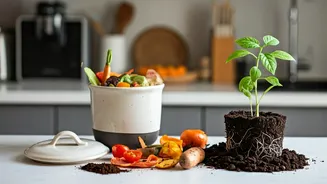
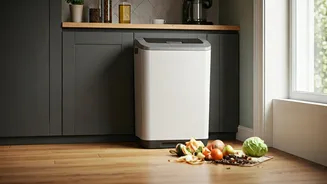
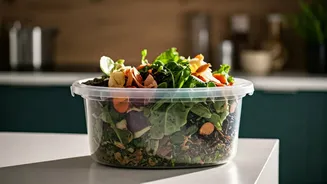
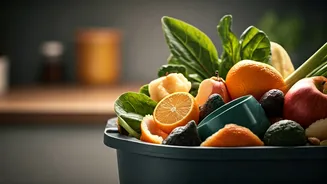
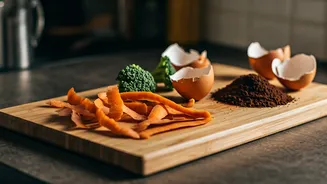
For many Americans, the easiest entry point into this new world is the municipal organics bin—that green-lidded container that might have recently appeared on your curb. This is composting on easy mode. Your city or waste management provider does the heavy lifting of turning your scraps into usable compost. The rules are generally simple: most programs accept all fruit and vegetable scraps, coffee grounds and filters, eggshells, and yard trimmings. Many also take paper products like pizza boxes and napkins. Some advanced facilities can even handle meat, bones, and dairy, which are typically no-gos for backyard composting. The key is to check your local guidelines. Usually, it just means keeping a small pail or container on your kitchen counter to collect scraps throughout the day before emptying it into the big green bin outside. It’s a small change in routine with a big environmental payoff.
Option 2: The Backyard Compost (The DIY Way)
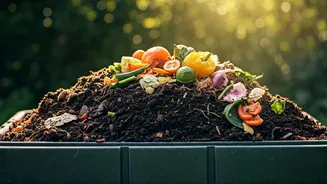
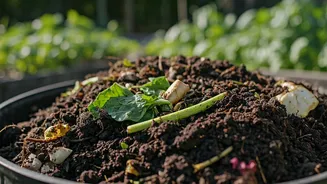
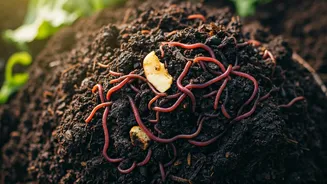
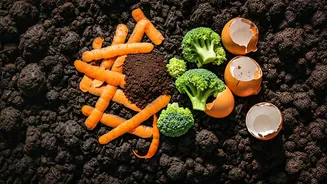
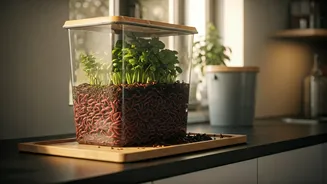
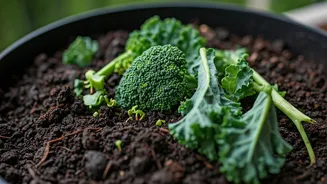
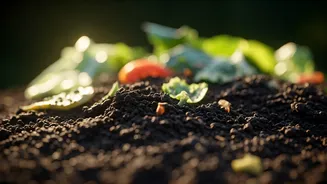
If you have a bit of outdoor space and want to create your own “black gold” for a garden, home composting is the classic move. Don't be intimidated; it’s less a science and more of a forgiving art. You can buy a dedicated tumbler or bin, or you can build a simple pile. The basic recipe is a balance of “greens” and “browns.” Your kitchen scraps (fruit and veggie peels, coffee grounds, old bread) are your greens—rich in nitrogen. You’ll need to balance them with browns—carbon-rich materials like dried leaves, shredded cardboard, and twigs. This mix provides the right environment for microorganisms to break everything down. A good rule of thumb is to aim for roughly three parts browns to one part greens. Keep the pile moist like a wrung-out sponge, turn it occasionally with a pitchfork to aerate it, and in a few months, you’ll have a dark, earthy compost perfect for enriching your soil.
Option 3: The Kitchen MacGyver (The Scrappy Way)
This is where things get creative. Before you even think about composting, ask yourself: can I eat this? The ends of onions, celery, and lettuce can be placed in a shallow dish of water on your windowsill to regrow. You won’t get a full-sized plant, but you can harvest fresh greens for weeks. Those Parmesan rinds you were about to toss? Throw them into your next soup or sauce for a huge umami flavor boost (just fish them out before serving). Vegetable peels, stems, and ends—from carrots, onions, celery, and herbs—can be collected in a bag in the freezer. Once you have enough, simmer them in a pot of water for an hour to create a flavorful homemade vegetable stock for free. Even coffee grounds can be repurposed as a nitrogen boost for acid-loving plants like roses and blueberries, or used as a gentle scouring scrub for pots and pans.
So What’s Actually ‘Trash’ Now?
With all these new uses, it's easy to wonder what, if anything, still belongs in the garbage. The category is certainly shrinking, but it’s not gone. In most composting systems (especially at home), you’ll still want to trash oily or greasy foods, meat and dairy (unless your municipal system explicitly accepts them), and pet waste. And of course, non-organic items like plastic wrappers, foam containers, and other packaging still go in the trash or recycling. The new habit to learn is a simple pause before you toss. Instead of mindlessly scraping a plate into one bin, you’re making a quick decision: Compost? Reuse? Or is it truly trash? Thinking of scraps as a resource first and trash last is the fundamental change.