




The Popular but Perilous Plants
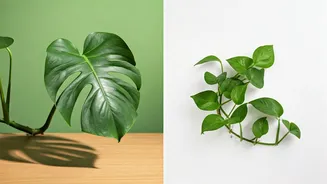
Walk into any home decor shop or browse any influencer’s living room, and you’re bound to see the glossy, heart-shaped leaves of a Pothos. It’s hailed as the perfect plant: low-maintenance, fast-growing, and beautiful. There’s just one major problem—it’s
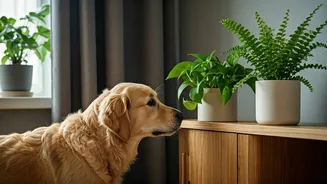
toxic to cats and dogs. Pothos plants contain insoluble calcium oxalates, which are like microscopic needles. When a curious pet chews on a leaf, these crystals cause immediate and painful irritation to the mouth, tongue, and throat, leading to drooling, vomiting, and difficulty swallowing. The term 'fern' can also be misleading. While true ferns like the Boston Fern or Maidenhair Fern are generally safe, many plants with 'fern' in their common name are not. The Asparagus Fern, for example, is not a fern at all and is toxic to pets, causing gastrointestinal upset and skin irritation. Relying on popular names is a risky game; what makes a plant trendy doesn't automatically make it safe for the four-legged members of your family.
Your Go-To Guide for Safe Greenery
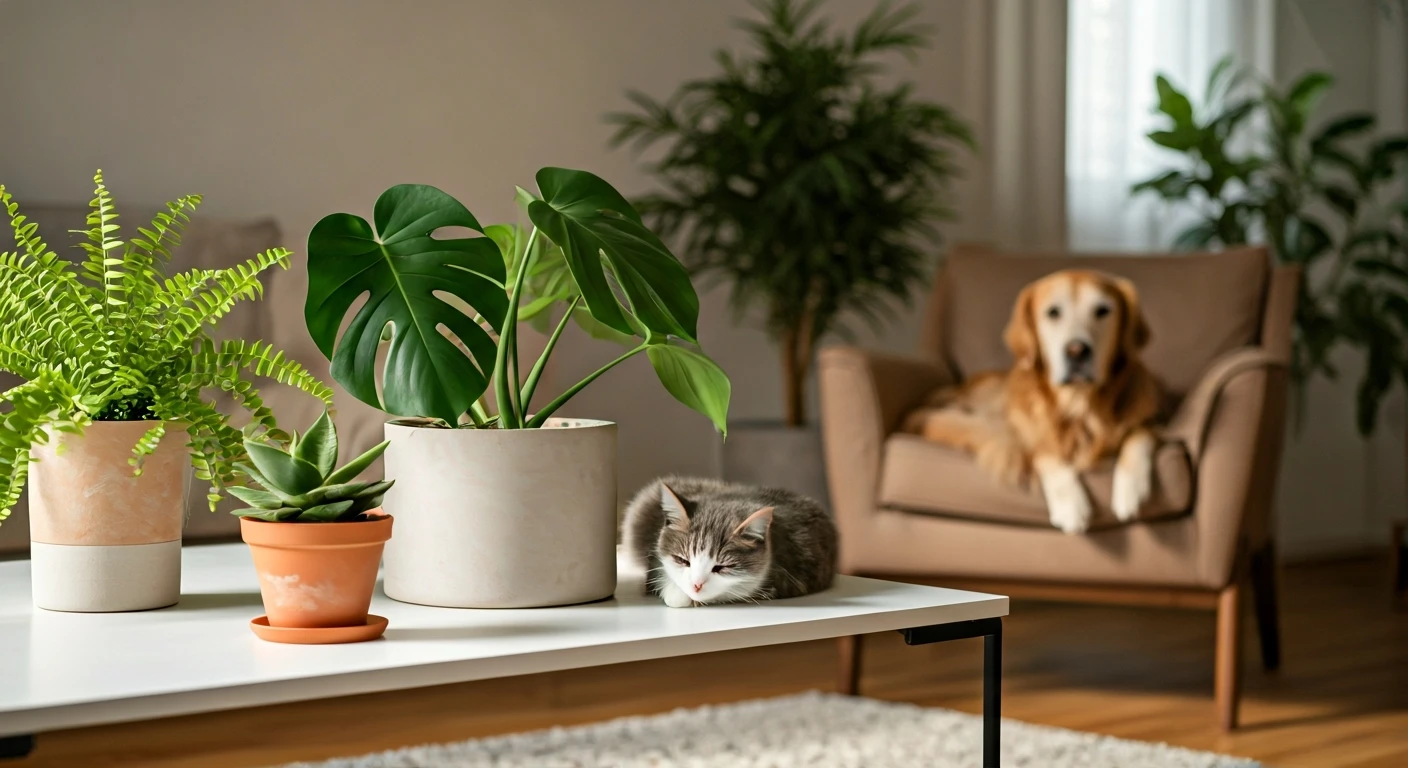
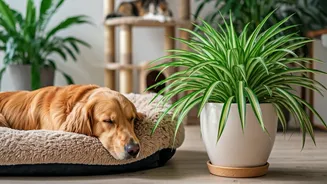
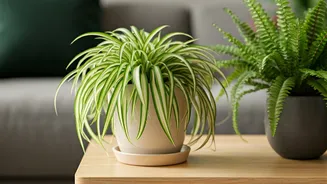
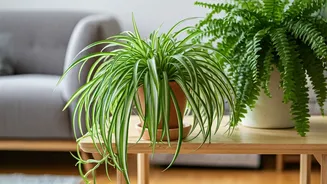
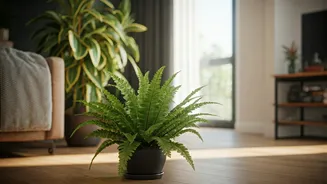
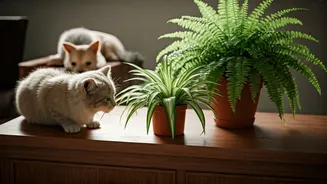
The good news is that you don’t have to choose between your pet and your green thumb. The world of houseplants is vast and full of stunning, completely non-toxic options. For that lush, vining look you love from a Pothos, consider a Spider Plant (Chlorophytum comosum). It’s incredibly resilient and produces charming 'pups' that can be easily propagated. Another great trailer is the String of Turtles (Peperomia prostrata). If you’re after feathery, fern-like foliage, the Boston Fern (Nephrolepis exaltata) is a classic for a reason. It thrives in humidity and adds a touch of timeless elegance. For something more colorful, the Prayer Plant (Maranta leuconeura) is a showstopper. Its patterned leaves fold up at night, as if in prayer, and it’s completely safe for curious sniffers. Similarly, many Calathea varieties, like the Rattlesnake Plant (Calathea lancifolia), offer incredible patterns and colors without posing a threat to your furry friends. These plants prove you can achieve a stylish, vibrant interior without compromising on your pet’s well-being.
Strategic Placement for a Peaceful Home
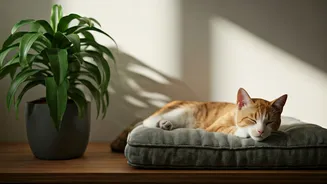
Even with a home full of non-toxic plants, strategic placement can save you from coming home to a knocked-over pot or a half-eaten leaf. If your dog is a tail-wagger or your cat is a climber, placing plants out of their direct path is just common sense. Utilize high shelves, windowsills, and dedicated plant stands to elevate your greenery. Hanging planters are a fantastic solution, creating beautiful vertical displays while keeping plants well out of reach. This is especially useful for delicate plants that you don't want your pet to bother, even if they aren't toxic. It’s also wise to observe your pet’s habits. Some animals couldn't care less about plants, while others view any new foliage as a personal challenge or a salad bar. Knowing your pet's personality will help you create a harmonious environment for everyone, green or furry.
Know the Signs of Plant Toxicity
Accidents can happen. Whether a guest brings over a potentially toxic bouquet or your pet gets into something outside, it’s crucial to know the signs of poisoning. While symptoms vary depending on the plant, some common red flags in cats and dogs include excessive drooling, pawing at the mouth, vomiting, diarrhea, lethargy, and difficulty breathing or swallowing. If you suspect your pet has ingested any part of a toxic plant, don’t wait. Remove any remaining plant material from their mouth and contact your veterinarian or the ASPCA Animal Poison Control Center immediately. Having their number saved in your phone is a simple step that can be a lifesaver in an emergency.