





The End of 'Hustle Culture'
Remember when waking up at 4 a.m. to answer emails before a punishing workout was a badge of honor? That era of performative productivity, often called “hustle culture,” dominated the 2010s. It glorified burnout as a prerequisite for success, suggesting
that any time not spent working or training was time wasted. Social media was flooded with images of exhausted but triumphant individuals pushing their limits, and the message was clear: rest is for the weak. But that relentless pace proved unsustainable. The cracks began to show not in failure, but in widespread exhaustion, injury, and mental health struggles. The pendulum is now swinging hard in the other direction. We’re collectively realizing that peak performance isn’t about running yourself into the ground. It’s about building a sustainable engine, and maintenance—in the form of recovery—is a non-negotiable part of that process.
How Pro Athletes Made Rest Cool
Much of this shift can be traced to professional sports, where the margins between winning and losing are razor-thin. For years, athletes like LeBron James and Tom Brady—known for their incredible longevity—have been vocal about investing heavily in recovery. James reportedly spends over a million dollars a year on his body, a regimen that includes cryotherapy, hyperbaric chambers, and personal chefs. He doesn’t just train hard; he recovers harder. When the world’s most dominant athletes began treating rest as a strategic pillar of their success, the public took notice. The narrative changed from “what a player does on the court” to “what a player does in the 24 hours between games.” Recovery was reframed not as inaction, but as a crucial, active process. This filtered down from elite sports to amateur athletes and weekend warriors, who began to understand that skipping a rest day wasn't dedication—it was just poor planning.
The Tech That Quantified Recovery
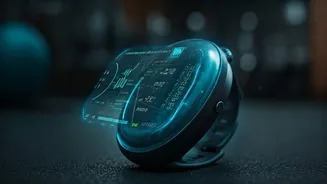
What gets measured gets managed. The explosion of wearable technology gave everyday people the tools to see the invisible work of recovery. Devices like the Whoop strap and Oura Ring don't just track your workout; they monitor your sleep quality, heart rate variability (HRV), and respiratory rate to generate a daily “recovery score.” Suddenly, the abstract concept of being “rested” became a concrete number on a screen. Seeing a low recovery score after a night of poor sleep provided tangible proof that you weren't ready for a high-intensity workout. This data-driven approach gamified rest, turning it into another metric to optimize. Alongside wearables, a cottage industry of recovery tools emerged, from percussive massage guns like Theragun to pneumatic compression boots, allowing people to take professional-grade recovery techniques into their own homes.
What a Good Recovery Day Looks Like
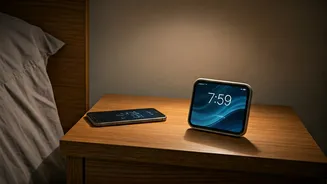
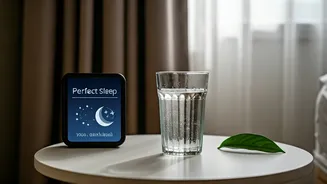
So, what does a proper recovery day entail? It’s more than just binge-watching a new series on the couch (though that can be part of it). Experts champion “active recovery,” which involves low-intensity activities that promote blood flow, reduce muscle soreness, and help the body repair itself without adding significant stress. This might include a gentle walk, a leisurely bike ride, yoga, or stretching. Foam rolling and mobility exercises are also cornerstones of a good recovery plan, as they help release muscle tightness and improve range of motion. Nutrition and hydration are equally critical. Replenishing your body with protein to repair muscle tissue, carbohydrates to restore glycogen stores, and plenty of water is just as important as the physical activities. And above all, quality sleep remains the undefeated champion of recovery, as it’s when your body does most of its essential repair work.