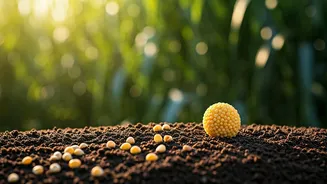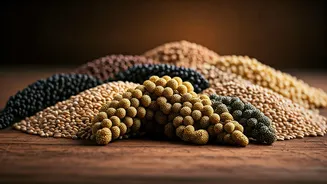


First, What Even Are Millets?
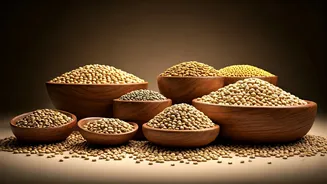
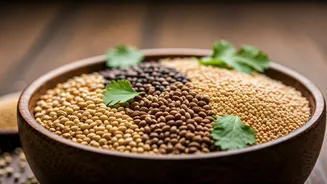
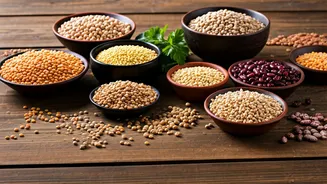
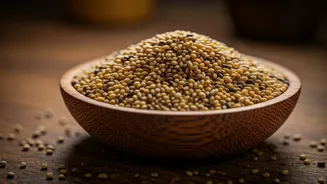
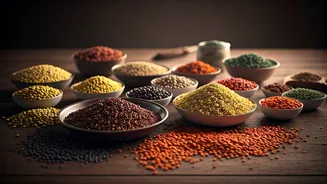
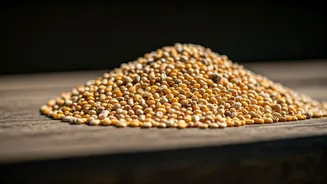
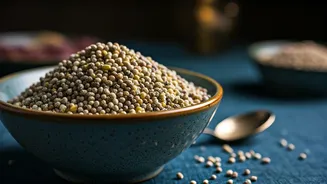
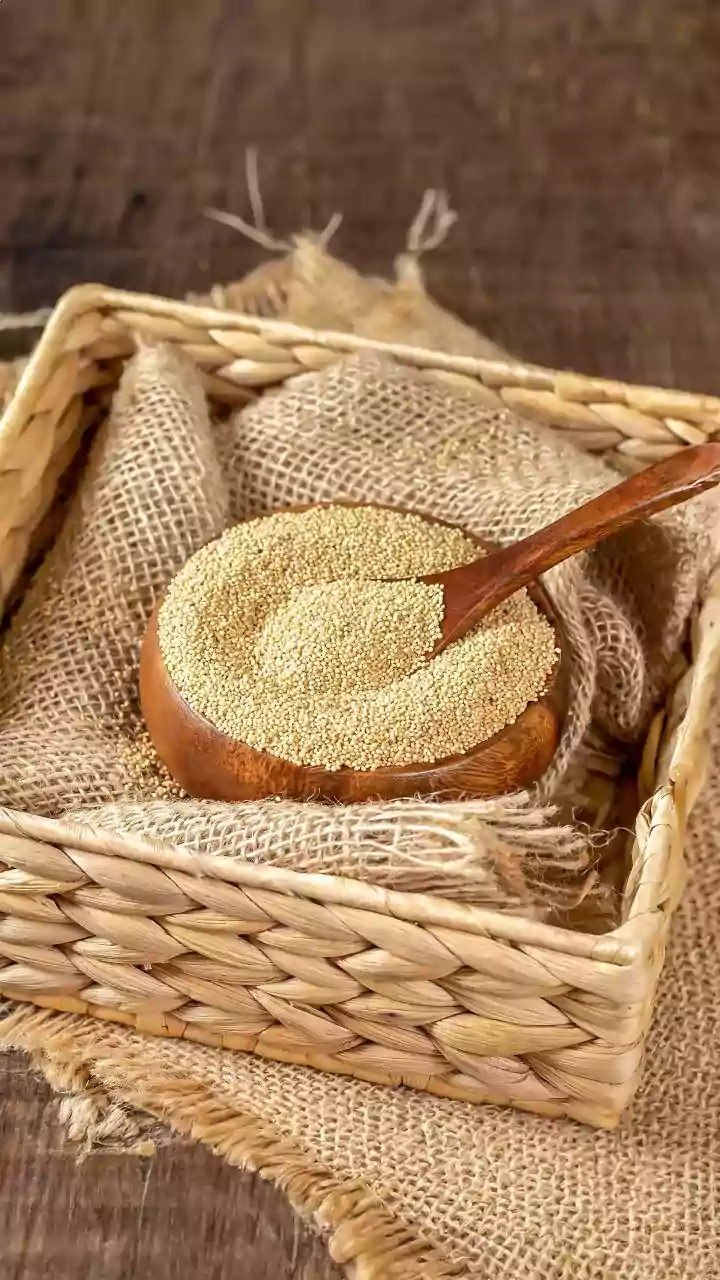
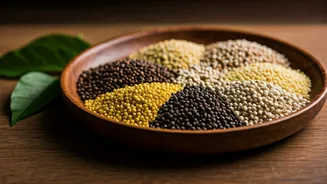
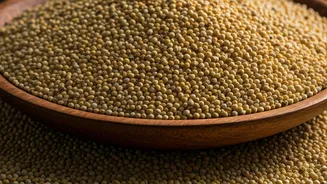
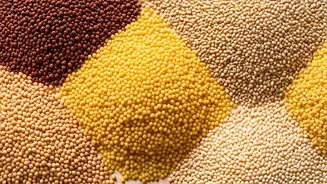
Before we get to their victory lap, let’s clarify what millets are. It’s not a single grain but a family of small-seeded grasses that have been cultivated for thousands of years. Think of it as a category, like 'citrus' or 'berries.' The stars of this
group in India include jowar (sorghum), bajra (pearl millet), and ragi (finger millet), each with its own unique texture and nutty, earthy flavor. For centuries, they were a dietary staple across the subcontinent. Naturally gluten-free, rich in fiber, and packed with protein and micronutrients, they earned the modern nickname 'nutri-cereals.' They are also incredibly resilient, thriving in arid conditions with minimal water—a trait that’s becoming more important by the day.
From Staple Food to Forgotten Grain
If millets are so great, why did they need a comeback? Their decline began in the 1960s with India’s Green Revolution. To combat famine and ensure food security, the government heavily subsidized and promoted high-yield varieties of wheat and rice. It worked, but it had an unintended cultural consequence: wheat and rice became aspirational foods, symbols of prosperity. Millets, which were harder to process and yielded less, were slowly relegated to rural and tribal communities, often stigmatized as 'coarse grains' or 'poor people’s food.' For a generation, flatbreads made of wheat (roti) and plates of fluffy white rice dominated the Indian table, while the ancient grains that once sustained empires were pushed to the agricultural and culinary sidelines.
The Perfect Storm for a Resurgence
Millets are 'winning' now because a perfect storm of factors has aligned in their favor. First is the global wellness movement. As American consumers hunt for gluten-free alternatives and nutrient-dense 'superfoods,' urban Indians are doing the same. Millets check every box: low-glycemic, high-fiber, and loaded with antioxidants. Second is the undeniable reality of climate change. With droughts becoming more frequent and water tables shrinking, India’s agricultural planners realized that promoting water-guzzling crops like rice and sugarcane is unsustainable. Millets are the original 'climate-smart' crop, requiring up to 70% less water than rice. Finally, there's a massive institutional push. The Indian government successfully lobbied the UN to declare 2023 the 'International Year of Millets,' launching a nationwide campaign to rebrand them as modern, healthy, and patriotic.
On the Modern Indian Plate
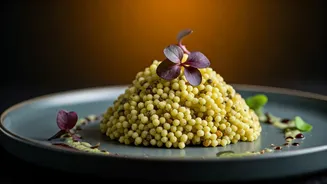
This comeback isn't just happening in policy documents; it’s happening on the plate. Creative chefs across India are rediscovering millets' versatility. The 'seasonal menu game' is real, and millets are proving to be all-stars. You can find ragi-based chocolate brownies and crepes that offer a deep, malty flavor. Chefs are swapping rice for foxtail millet in risotto-style dishes called 'milotto.' Traditional bajra rotis are being served in upscale restaurants, and sorghum flour is being used to create everything from pizza crusts to burger buns. In homes, people are adding millets to salads, making fluffy upma (a savory porridge), and fermenting them into batters for dosas (crispy crepes). This culinary renaissance is key—it has transformed millets from a health obligation into a delicious, exciting choice.