


More Than Just a Garnish
For years, the most ambitious home cooks might have kept a lonely pot of basil on the windowsill. But a new movement is taking root. Driven by a desire for fresher ingredients, sustainable living, and biophilic design (our innate need to connect with
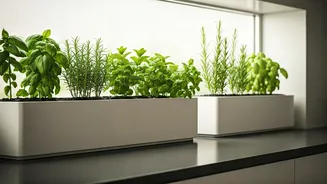
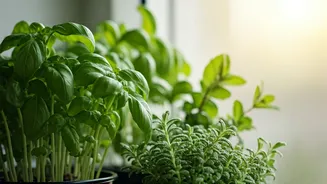
nature), kitchen counters are now showcasing full-fledged herb gardens. This isn't just about utility; it's an aesthetic choice. A splash of living green breaks up the monotony of stone and steel, adding texture, life, and a beautiful fragrance to the heart of the home. It signals a kitchen that’s used and loved, a space that’s as much about creating as it is about cooking. The 'glow-up' is about elevating herbs from a last-minute ingredient to a central design feature.
The Rise of the Smart Garden
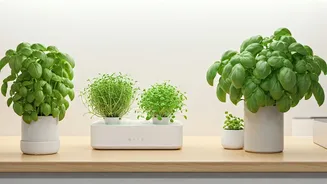
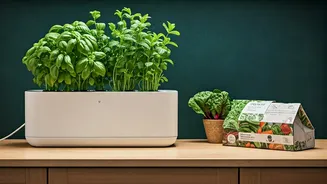
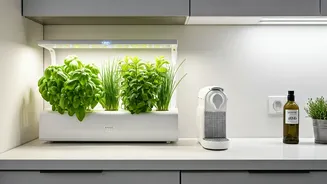
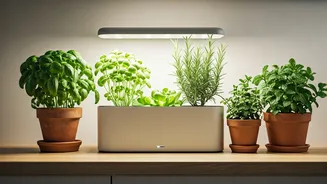
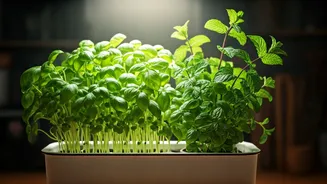
What’s fueling this countertop renaissance? Technology. A new generation of indoor gardening systems has made it astonishingly easy for anyone—even those with a notorious 'black thumb'—to cultivate a thriving herb garden. Sleek, self-contained hydroponic units from brands like AeroGarden or Click & Grow use water and nutrient solutions instead of soil, eliminating mess and pests. They come equipped with full-spectrum LED grow lights that mimic sunlight and timers that ensure a perfect cycle, regardless of how much natural light your kitchen gets. Many are self-watering and connect to apps that tell you exactly when to add nutrients or water. These aren't the bulky, industrial setups of the past; they are designed to look as good as the herbs they grow, with minimalist aesthetics that complement modern kitchen decor.
Low-Tech, High-Impact Alternatives
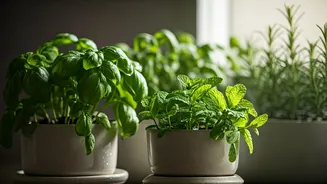
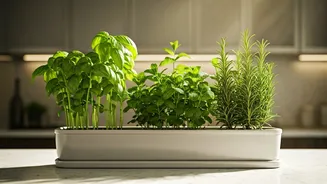
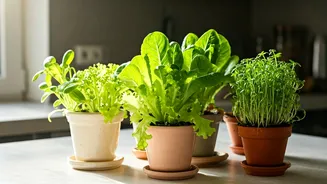
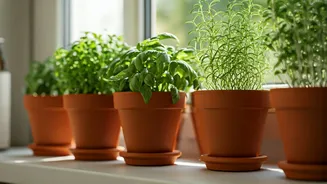
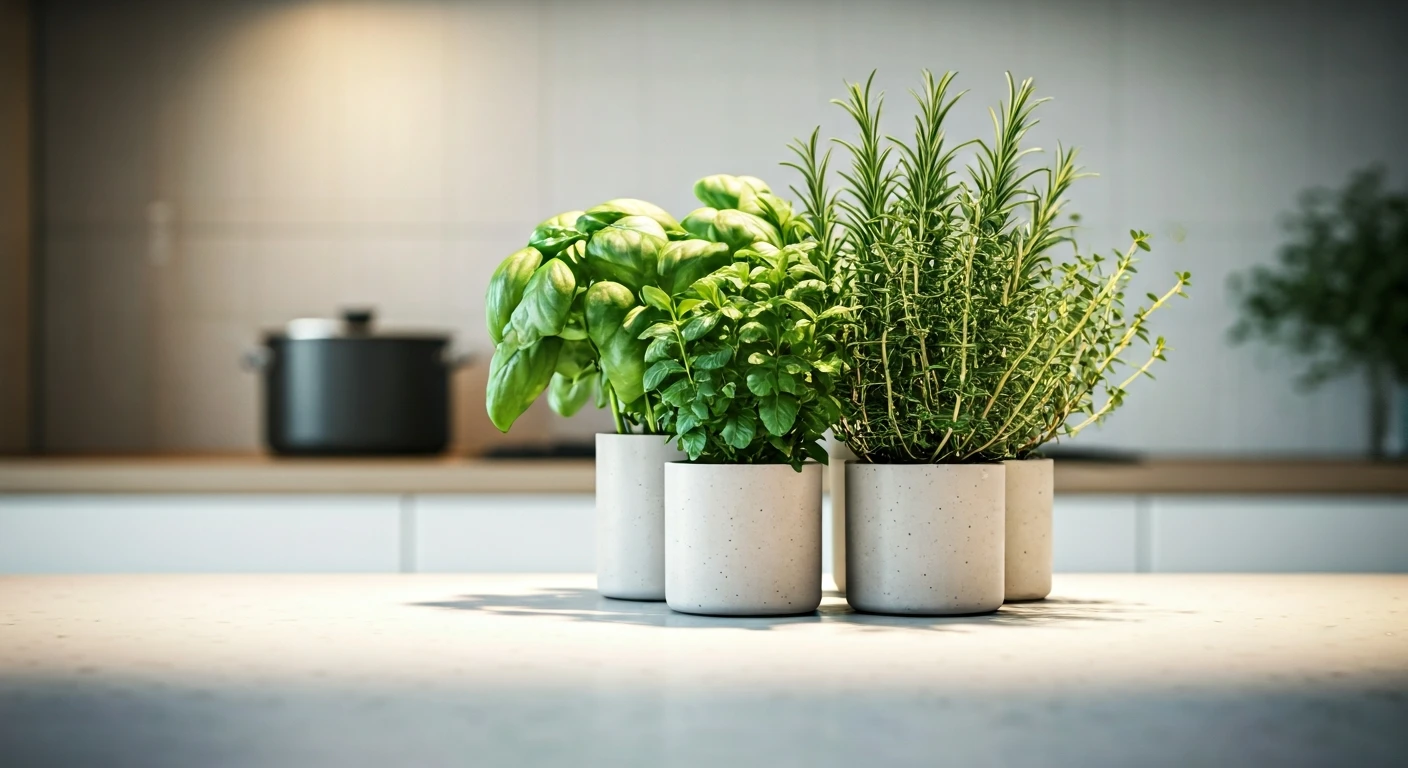
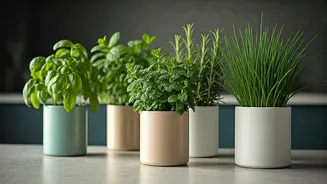
You don't need to invest in a high-tech system to join the movement. The spirit of the countertop garden is accessible to everyone. The simplest approach is a curated collection of individual pots. The key to making it a 'glow-up' is intentionality. Instead of a random assortment of plastic containers, choose a matching set of ceramic, terracotta, or metal planters that align with your kitchen's style. Group them together on a stylish tray to create a single, cohesive focal point. A long, narrow window box can also sit neatly on a countertop or windowsill. The most important factors for this analog approach are light and water. Most herbs need at least six hours of bright, indirect sunlight per day, so a south-facing window is ideal. Be sure your pots have drainage holes to prevent root rot.
The Five Best Herbs to Start With
Not all herbs are created equal when it comes to indoor living. Here are five easy-growing, high-reward options for your countertop: 1. **Basil:** The quintessential kitchen herb. It loves sun and regular harvesting. Snip leaves from the top to encourage bushier growth, and never let it flower. Perfect for pesto, pasta, and Caprese salads. 2. **Mint:** Famously vigorous, mint is best kept in its own pot to prevent it from taking over. It’s less demanding about sunlight than other herbs. A must-have for mojitos, iced tea, and fruit salads. 3. **Chives:** A member of the onion family, chives grow in grassy clumps and are incredibly forgiving. You can snip them with scissors as needed, and they'll grow right back. Great for eggs, potatoes, and as a fresh garnish. 4. **Parsley:** Both curly and flat-leaf varieties do well indoors. Parsley is a workhorse in the kitchen, brightening the flavor of almost any savory dish. 5. **Rosemary:** This woody, fragrant herb needs lots of sun and dislikes being overwatered. Let the soil dry out between waterings. Its piney aroma is wonderful, and it's perfect for roasting chicken and potatoes.
Styling Your Countertop Garden
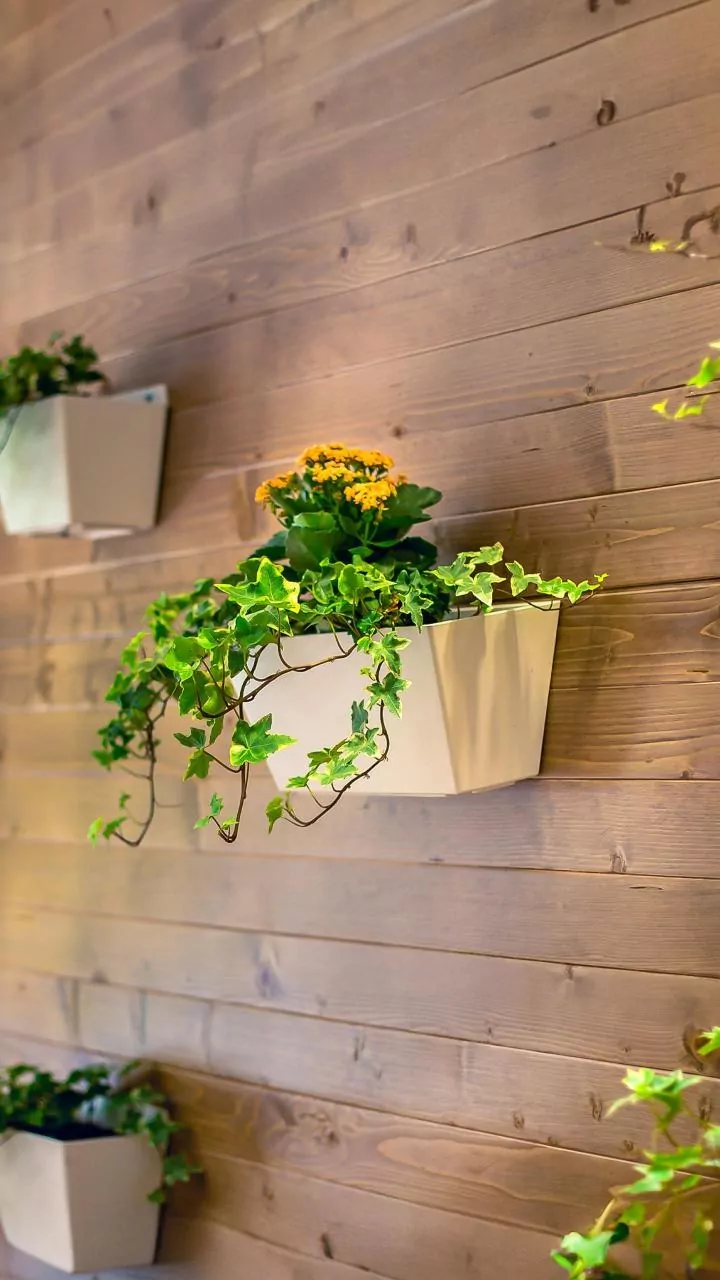
To truly make your herbs a design element, think like a stylist. Grouping is key—a cluster of three or five pots of varying heights looks more dynamic than a single row. Place your garden on a kitchen island to create a stunning, functional centerpiece. Use vertical space with tiered planters if your counter space is limited. Don't be afraid to mix and match textures. Pair smooth, glazed ceramic pots with the delicate leaves of parsley and the spiky texture of rosemary. Finally, integrate your tools. A beautiful pair of small brass shears or a minimalist watering can left next to the herbs reinforces the idea that this is a living, interactive part of your kitchen.