


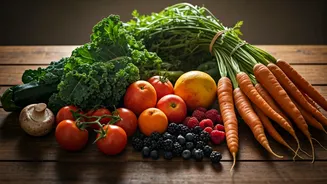
Why 'Easy' Is the Magic Word
Let’s be honest: many eco-habits feel like a part-time job. Composting requires buckets and turning. Going zero-waste demands militant planning. Installing solar panels involves a major investment. These are all admirable goals, but their high barrier
to entry can lead to paralysis. Seasonal shopping is different. Its “easiness” lies in its simplicity and accessibility. It doesn’t ask you to become a different person overnight. It just asks you to tweak what you put in your cart. Instead of grabbing asparagus in December, you reach for butternut squash. Instead of watery, pale strawberries in February, you wait for the sweet, ruby-red gems of early summer. The only tool you need is a little bit of awareness. There's no complex system to learn, no expensive equipment to buy. The habit integrates into your existing routine—grocery shopping—rather than adding a new, complicated task to your to-do list.
The Problem with 'Perpetual Summer'
Our modern grocery stores have created an illusion of perpetual summer. We can buy blueberries from Chile in January and pumpkins from Mexico in May. While convenient, this global pantry comes at a steep environmental price. That price is measured in “food miles”—the distance your food travels from farm to plate.
A clamshell of berries flown halfway across the world carries a massive carbon footprint from air freight. Grapes shipped from the Southern Hemisphere spend weeks in refrigerated containers, burning fossil fuels the entire way. Furthermore, growing produce out of its natural season often requires energy-intensive greenhouses that are heated and lit around the clock. By choosing foods that are naturally in season where you live, you are opting out of this incredibly inefficient and polluting system. You're choosing food that likely traveled a shorter distance and required fewer artificial inputs to grow.
Your Taste Buds Will Thank You
Here's the secret weapon of seasonal shopping: it’s not about sacrifice, it’s about flavor. Produce that is picked at its peak and hasn't endured a long-haul journey simply tastes better. A tomato in August, warm from the sun and bursting with juice, is a different species from the hard, mealy pinkish orb you might find in the dead of winter. The latter was likely picked while still green and firm to survive shipping, then artificially ripened with ethylene gas.
Seasonal eating turns shopping into an act of rediscovery. You begin to anticipate the arrival of spring’s first sweet peas, the deep flavor of autumn’s root vegetables, and the crisp bite of a new-season apple. It reconnects your diet to the natural rhythm of the year, making every meal a small celebration of what’s best right *now*.
How to Start Without the Stress
Getting started is simpler than you think. You don’t need to memorize complex charts or overhaul your entire diet at once.
1. **Start Small:** Pick one or two items. This week, instead of buying imported bell peppers, look for what’s in season, like kale or sweet potatoes. Small swaps are the key to building a lasting habit.
2. **Visit a Farmers Market:** This is the easiest way to see what's truly local and in season. Talk to the farmers. Ask them what’s good and how they like to cook it. You’ll get inspiration and connect with your food source directly.
3. **Read the Label:** At the grocery store, check the country of origin sticker on produce. If those peaches are from 5,000 miles away, maybe there's a more local fruit option available. This simple check builds awareness.
4. **Embrace Imperfection:** Don't beat yourself up if you buy an out-of-season avocado. The goal isn’t eco-perfection; it's to make a gradual, conscious shift. Every seasonal choice you make is a small victory.