

From 'Fresh' to 'Flex'
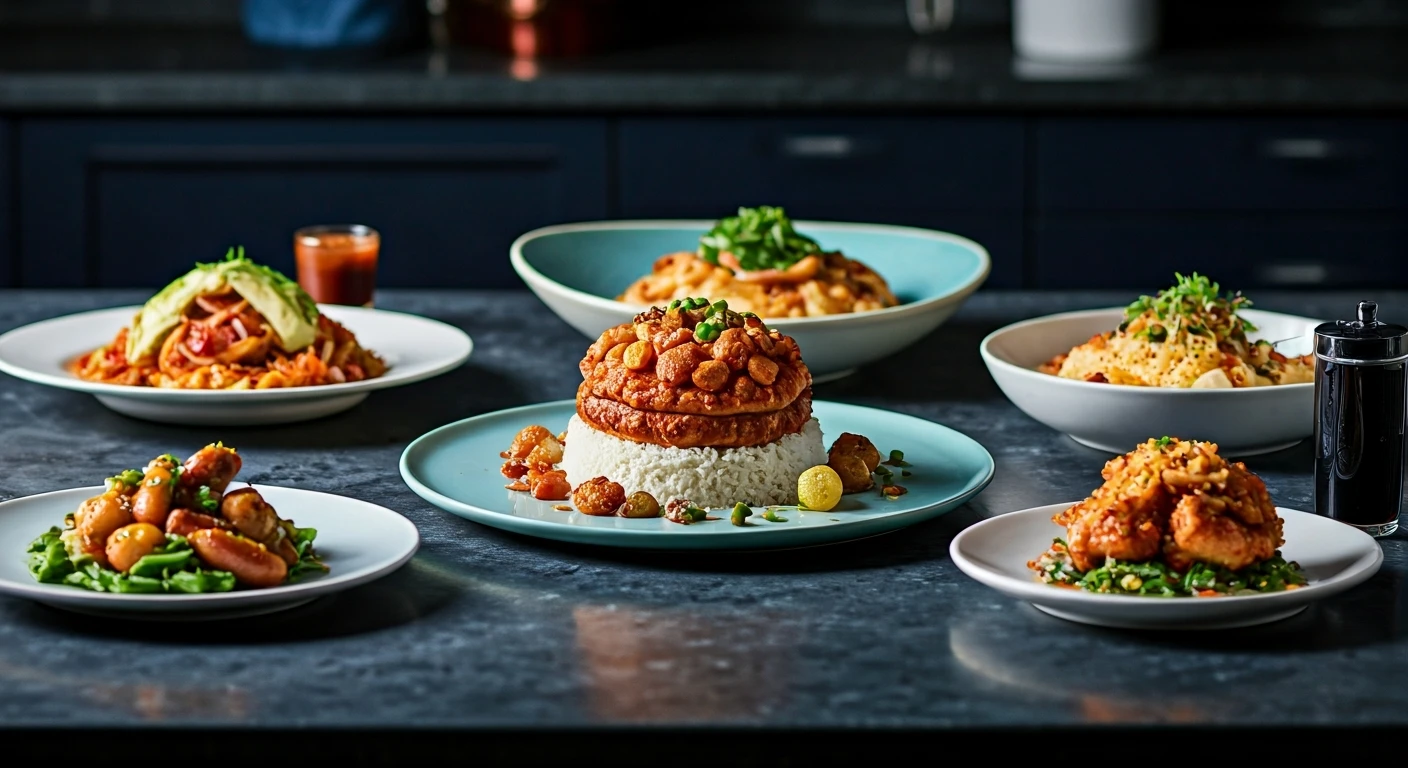
You’ve seen it on the menu: “First-of-the-season Fava Beans,” “Late-harvest Hachiya Persimmons,” or “Maitaike Mushrooms foraged after the first rain.” This isn't just descriptive language; it's a signal. In the competitive landscape of American dining,
where every other restaurant claims to be “farm-to-table,” seasonality has become the new flex—a way for chefs to prove they are a cut above. Simply saying your food is “fresh” is no longer enough. The real flex is demonstrating a connection to the land so intimate that your menu can pinpoint the exact, fleeting moment an ingredient is at its absolute peak. It’s a subtle brag that says: “We have the sourcing, the skill, and the creativity to build a dish around this one perfect thing that might be gone next week.” It’s less about having ingredients and more about having access and knowledge.
The Godmother of the Seasonal Flex
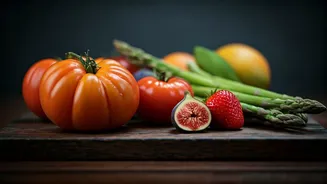
This trend might feel new, but its roots run deep, all the way back to Berkeley, California, in the 1970s. The original seasonal flex was pioneered by Alice Waters at her legendary restaurant, Chez Panisse. At a time when American fine dining meant flying in ingredients from France and consistency was prized above all else, Waters proposed a radical idea: What if the best food was what was growing right here, right now? Her insistence on building menus around the daily haul from local farmers was, at the time, revolutionary. It wasn't a marketing gimmick; it was a philosophy. She proved that a perfect, sun-warmed summer tomato needed little more than a sprinkle of salt. That insistence on ingredient-first cooking laid the groundwork for today’s chefs. What was once a counter-cultural statement has become the benchmark for culinary ambition.
The High Cost of Fleeting Flavor
Why is relying on seasonality such a flex? Because it’s incredibly difficult. Running a restaurant that truly follows the seasons is a logistical and financial tightrope walk. A chef who commits to, say, fleeting spring ramps can't just order them from a massive distributor year-round. They need a direct relationship with a forager or a farmer. They have to be ready for a sudden frost to wipe out the supply or for a heatwave to end the season early. This forces a restaurant to be nimble, creative, and resilient. Menus change daily or weekly, not quarterly. The kitchen staff has to be skilled enough to adapt on the fly. This operational difficulty is precisely what makes it a status symbol. It signals a level of commitment and resources—both financial and creative—that many restaurants simply can't afford. It’s a quiet declaration that they are operating at a higher level.
How to Spot the Real Deal
As the trend has gone mainstream, the language of seasonality is sometimes co-opted for marketing. So how can a diner tell a genuine seasonal flex from mere buzzword bingo? First, look for specificity. “Seasonal vegetables” is vague; “Jimmy Nardello peppers from Blue Moon Farms” is a flex. Second, a truly seasonal menu is a moving target. If the menu you see online is identical to the one on your table three months later, they’re not truly cooking with the seasons. Finally, ask your server. In a restaurant that’s genuinely proud of its sourcing, the staff is often trained to be storytellers. If they can tell you about the farmer who grew your carrots or why the chef is so excited about a particular berry, you’re likely in the presence of a genuine, delicious flex.