
The Slow Fade of the Power Lunch
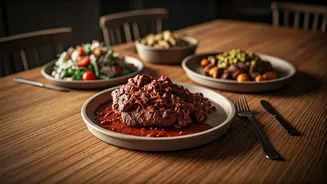
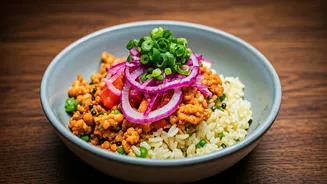
Remember the lunch of the 2010s? It was a dish of ambition. Whether it was the high-powered executive’s steak frites or the wellness devotee’s $20 grain bowl with fifteen toppings, the midday meal was often a performance. It was about showcasing status,
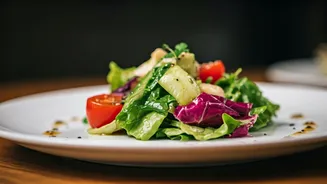
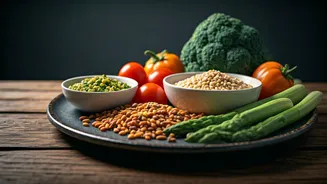
health consciousness, or culinary prowess. At home, this translated into the pressure of the perfectly meal-prepped container—a colorful, Instagram-ready assembly of roasted vegetables, ancient grains, and a lemon-tahini dressing you had to whip up on a Sunday afternoon. These were the “rich plates.” Rich in ingredients, rich in cost, and rich in the time and effort they demanded. But somewhere between a global pandemic that dissolved office lunch culture and an economic climate that makes every dollar count, the appeal of the high-maintenance lunch has begun to crumble.
The 'Good Enough' Revolution
The most potent symbol of this shift is the viral “girl dinner” phenomenon. While the name is catchy, the ethos is universal: a meal composed of whatever you feel like eating, with zero regard for traditional culinary structure. Think a handful of almonds, a wedge of good cheese, some sliced apple, a few pickles, and maybe a piece of leftover bread. It’s a meal of components, a personal smorgasbord that prioritizes immediate craving and convenience over formality. This isn't about laziness; it’s a radical act of self-care. It’s an explicit rejection of the pressure to “cook.” It says that a satisfying meal doesn’t require a stove, a recipe, or anyone else’s approval. This mindset is the engine of the simple summer lunch: it’s about what feels good, right now, with minimal fuss.
When It's Simply Too Hot to Cook
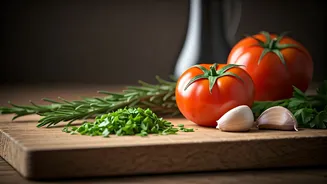
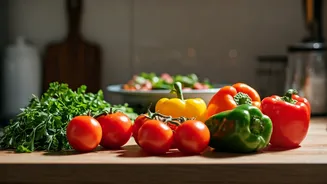
There’s also a powerful, practical force at play: the weather. As summer temperatures climb, our bodies instinctively recoil from heavy, heat-generating foods and the act of producing them. Turning on an oven in July can feel like a crime against your own comfort and your utility bill. Our appetites naturally shift toward things that are cool, hydrating, and require no fire. A ripe tomato, sliced and sprinkled with flaky salt. A crisp cucumber salad with a dollop of yogurt. A bowl of chilled watermelon. These aren’t just snacks; they are increasingly becoming the entire point of the meal. The simple summer lunch aligns with our biology, offering refreshment and sustenance without the thermal load of a complex, cooked dish. It’s a seasonal surrender, and it feels wonderful.
The New Economics of Noon
Let’s be honest: a fancy lunch is an expensive proposition. Inflation has pushed the price of a fast-casual salad or sandwich into territory that feels less like a convenience and more like an indulgence. That $18 desk salad is a lot harder to swallow when groceries also cost more. The simple summer lunch is an elegant solution. A meal built around a few seasonal, inexpensive ingredients—a can of good tuna, a perfect peach, a crusty roll—delivers immense satisfaction without the financial sting. It’s a return to a more European sensibility, where a few high-quality, simple items constitute a perfectly respectable meal. It’s not about deprivation; it’s about resourcefulness and finding pleasure in what’s accessible and affordable.
Redefining Midday Luxury
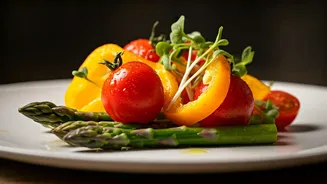
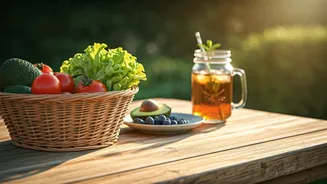
Ultimately, the decline of the “rich plate” is about a redefinition of luxury. The old luxury was complexity, expense, and visible effort. The new luxury is ease. It’s the freedom from decision fatigue. It’s the extra 30 minutes you get back by not chopping, sautéing, or assembling. The most luxurious lunch imaginable this summer might not be found in a restaurant, but on your own porch: a plate with a few slices of prosciutto, a ripe fig, and a glass of iced tea. The luxury isn't in the food itself, but in the peace of mind that surrounds it. It’s a quiet, personal, and deeply satisfying experience that no complicated, expensive dish can ever quite replicate.