
The Quiet Rebellion
For years, the measure of a successful vacation was often tied to its exclusivity or its appearance in a travel magazine’s ‘hot list.’ Think Mykonos party scenes, Amalfi Coast traffic jams, or shoulder-to-shoulder crowds at a Caribbean all-inclusive.
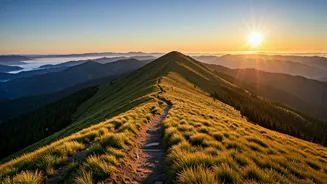
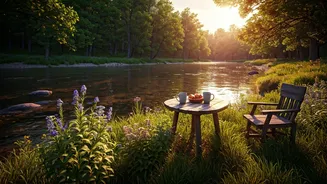
But a palpable shift is underway. Travelers, weary from the performance of it all, are seeking something more restorative. The mountain trip has become a quiet act of rebellion against ‘overtourism’ and the relentless pressure to be in the most hyped-up spot. Choosing a cabin in the Rockies over a cabana in Miami is a deliberate move toward space—both literally and metaphorically. It’s a rejection of the checklist mentality of travel, where the goal is to see and be seen. Instead, the focus is on feeling. It’s about waking up to birdsong instead of an alarm, replacing the city’s electric hum with the sound of a rushing creek, and swapping a packed itinerary for the simple, singular goal of reaching a scenic overlook.
More Than Just a View
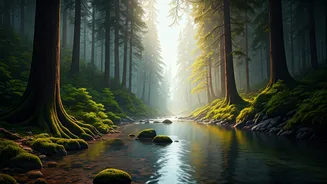
The appeal goes far beyond the stunning visuals, though they certainly don’t hurt an Instagram feed. The new mountain flex is deeply rooted in wellness. In an era of pervasive burnout, a trip to higher altitudes is seen as a genuine antidote. The Japanese concept of ‘shinrin-yoku,’ or forest bathing, has gone mainstream, with more Americans recognizing the scientifically-backed mental health benefits of spending time in nature. A mountain getaway offers an immersive version of this therapy. The physical challenge of a hike provides a tangible sense of accomplishment that scrolling through emails can never deliver. It grounds you in your body and the present moment. The crisp, clean air feels like a system reset. This isn't just a vacation; it's an investment in your well-being. It’s choosing a trip that sends you back to your life feeling restored and centered, not exhausted and in need of a vacation from your vacation.
An Understated Showcase
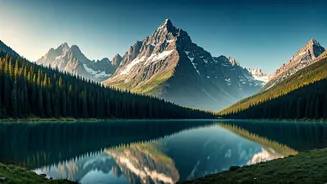
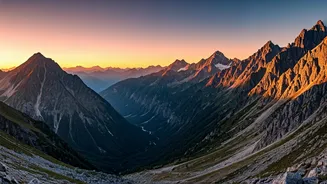
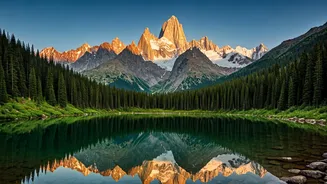
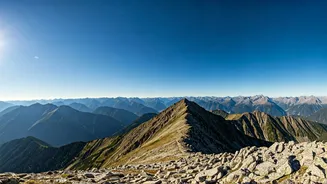
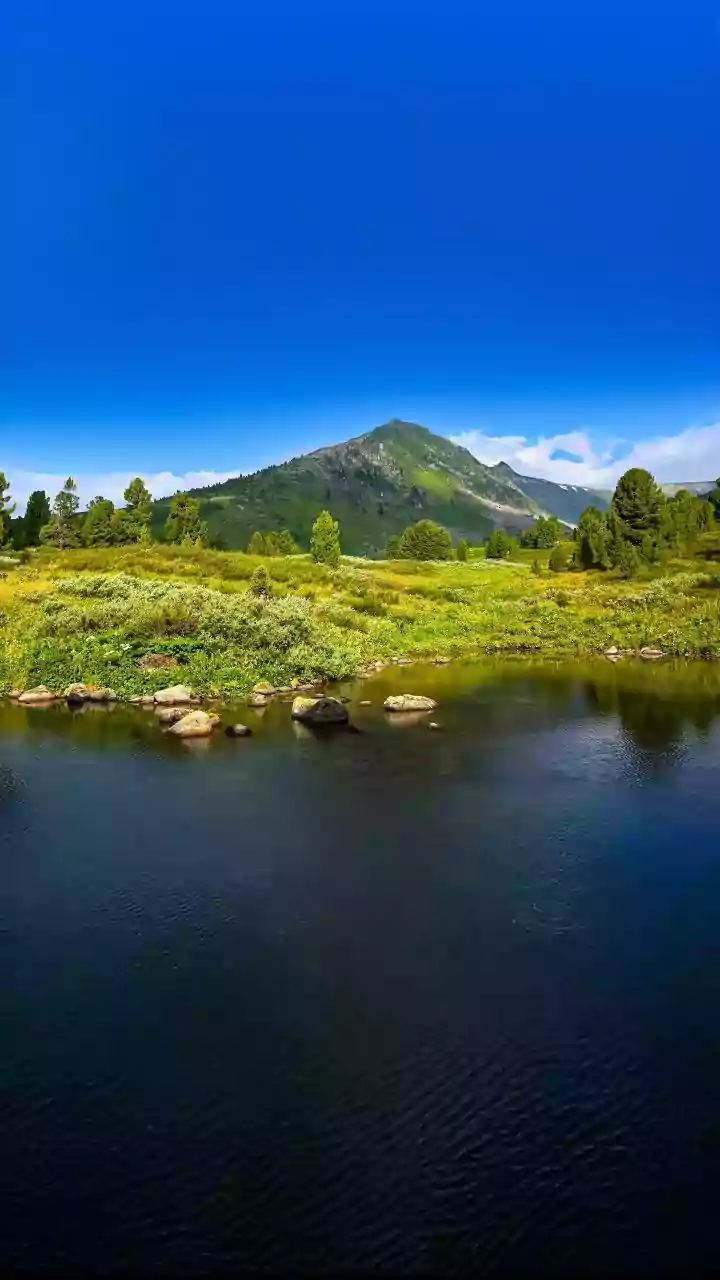
Let’s be clear: this is still a ‘flex.’ It’s just a different kind of status symbol. The old flex was loud: designer luggage, five-star hotel lobbies, champagne service by the pool. The mountain flex is quieter, more refined, and arguably more potent. It signals a different set of values. It says you prioritize experience over commercialism, peace over noise, and personal growth over passive consumption. The photos that emerge from these trips tell the story. They’re less about the person and more about the place. A tiny silhouette against a vast, panoramic landscape of granite peaks and alpine lakes conveys a sense of awe and perspective. It’s a visual humblebrag that says, “I’m not just on vacation; I’m connecting with something bigger than myself.” It’s a sophisticated showcase of a life rich in experience, not just possessions.
Closer to Home, Further From the Crowd
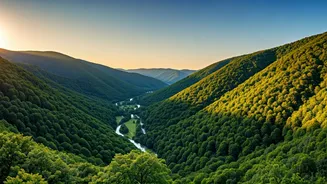
The trend also has a practical side, supercharged by recent shifts in how we travel. The pandemic reminded many Americans of the staggering beauty within their own country. From the Appalachians and the Adirondacks on the East Coast to the epic ranges of the West like the Sierra Nevada and the Cascades, world-class mountain scenery is often just a road trip away. This accessibility makes it a more sustainable trend, both financially and environmentally. Opting for a drive to a national forest or a short flight to a hub near the mountains feels more manageable and less stressful than navigating international travel logistics. It allows for more spontaneity and a deeper connection to the American landscape. In a world that feels increasingly complex, the simplicity of packing the car, heading for the hills, and finding a clear patch of sky is a luxury that resonates now more than ever.