






The Concrete Jungle Turns Gold
In the dense, bustling metropolises of Mumbai, Delhi, and Bangalore, a beautiful trend is taking root. Urban dwellers are transforming their compact outdoor spaces—often just a small concrete slab jutting out from an apartment building—into vibrant personal
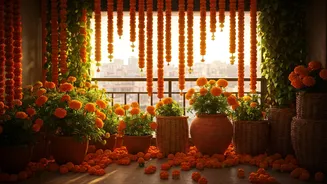
sanctuaries. And the star of this show is overwhelmingly the humble marigold. Known locally as *genda phool*, these hardy, cheerful flowers are being planted in terracotta pots, cascading from railing planters, and arranged in artful clusters, providing a stunning visual contrast to the steel and glass of the city. This balcony “glow-up” is more than a passing fad; it’s a modern reinterpretation of a deeply ingrained cultural symbol, shared and amplified through social media, where the hashtag #balconygarden reveals a tapestry of personal oases.
A Flower Woven into Tradition
To understand the marigold’s starring role, you have to look beyond its aesthetic appeal. In India, the marigold is not just another pretty flower; it is an emblem of divinity, celebration, and auspiciousness. For centuries, thick garlands of marigolds, or *genda malas*, have been essential decorations for weddings, religious ceremonies, and festivals, most notably Diwali, the festival of lights. Their vibrant color is said to represent the sun’s energy, symbolizing brightness, positive energy, and new beginnings. Offering marigolds to gods and goddesses is a common practice in Hindu rituals, as they are seen as a pure and fitting tribute. By bringing these flowers into their homes, Indians are not just decorating; they are inviting in a piece of sacred tradition and good fortune.
The Modern Interpretation of Genda Phool
So, what makes this a “glow-up” rather than just business as usual? The context and presentation. Traditionally, marigolds were used lavishly in garlands and scattered petals for large-scale events. The modern balcony trend, however, is about personal, sustained cultivation. It’s about the joy of tending to a living plant in a pot, not just buying a disposable garland. Young urbanites and millennials are embracing this practice as a way to connect with their heritage on their own terms. It’s a form of accessible wellness, a small act of rebellion against the stresses of city life. The aesthetic is also updated: instead of overwhelming abundance, you might see a single, perfectly potted marigold on a minimalist stool or a curated collection of different varietals. This is tradition made personal, portable, and perfectly suited for an Instagram-ready world.
Resilience in a Pot
There’s also a practical reason for the marigold’s dominance. The flower is famously resilient, capable of thriving in India’s varied and often harsh climates with relatively little fuss. It withstands intense sun and can tolerate periods of neglect, making it the perfect plant for busy city-dwellers who may not be expert gardeners. Their natural pest-repellent properties are an added bonus for open-air city living. In this sense, the flower itself is a metaphor for the people who plant it: vibrant, enduring, and capable of creating beauty and joy even in challenging environments. A pot of marigolds on a balcony is a small but powerful statement of optimism, a splash of life against the urban gray.