






Beyond Turmeric Lattes
For many Americans, Indian wellness begins and ends with a yoga class or a trendy turmeric latte. But these are just fragments of a deeply integrated, millennia-old system of health. In India, a growing movement among young, urban professionals is reclaiming
these traditions not as quaint relics, but as a sophisticated framework for navigating the stresses of modern life. They are rediscovering that the principles of Ayurveda, yoga, and traditional eating aren't just about adding 'superfoods' to a diet; they represent a holistic philosophy of balance. This isn't about rejecting modernity, but augmenting it with time-tested wisdom that emphasizes prevention, balance, and a deep connection to nature's rhythms—a stark contrast to the often reactive, symptom-focused approach of Western wellness.
The Ancient Gut-Brain Connection
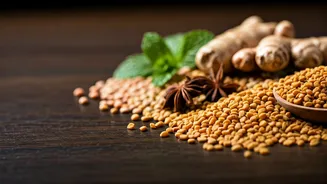
Long before the term 'microbiome' entered our vocabulary, Ayurvedic texts were discussing the concept of 'agni,' or digestive fire, as the cornerstone of all health. The philosophy holds that a healthy gut is essential for a healthy mind and body. This ancient intuition is now being validated by a wave of scientific research linking gut health to everything from immunity and mood to chronic disease. The traditional Indian diet, rich in fiber from lentils and whole grains, packed with anti-inflammatory spices like turmeric and ginger, and incorporating fermented foods like yogurt (dahi), is essentially a masterclass in feeding good gut bacteria. Ghee, or clarified butter, once demonized in the West, is also making a comeback. It’s a source of butyrate, a short-chain fatty acid crucial for gut wall integrity. For young Indians, choosing a simple, home-cooked meal of dal and rice over processed fast food is becoming a conscious health decision, rooted in both cultural identity and cutting-edge nutritional science.
The Technology of Stillness
In a world of constant digital stimulation and professional pressure, the search for mental peace is universal. Here again, Indian youth are finding powerful tools in their own backyard. Yoga, far beyond the physical postures popular in the U.S., is a comprehensive discipline for calming the mind. More importantly, practices like pranayama (controlled breathing techniques) and meditation are being embraced as non-negotiable tools for mental hygiene. Science backs this up unequivocally. Studies have shown that regular meditation can reduce cortisol (the stress hormone), decrease anxiety, improve focus, and even promote structural changes in the brain related to memory and emotional regulation. For a generation facing unprecedented levels of burnout, these ancient technologies of stillness offer a powerful, accessible, and free antidote to the chaos of modern living.
A Modern Search for Authenticity
So, why this revival now? It's a confluence of factors. Globalization brought Western fast food and lifestyle diseases, but it also brought a wave of scientific validation for Eastern practices. Seeing their own traditions repackaged and sold back to them by Western influencers created a desire to reclaim ownership and authenticity. Furthermore, this generation of Indians is arguably the first to have the luxury of looking beyond mere survival and focusing on optimization and well-being. They are digitally savvy, globally aware, and skeptical of quick fixes. For them, turning to Ayurveda and yoga is not a nostalgic retreat into the past. It’s a smart, evidence-informed choice to build a resilient, sustainable, and culturally resonant life in the 21st century.