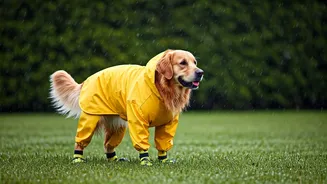




Why Rain Triggers Allergies
While we associate allergies with dry, pollen-filled spring days, the dramatic shift in weather during monsoon season—or any period of heavy, consistent rain—creates a perfect storm for allergens. The humidity isn't the only culprit. Heavy downpours can
actually break pollen grains into smaller, more easily inhaled particles, spreading them far and wide. More significantly, the damp, warm environment is an ideal breeding ground for mold and mildew, both indoors and out. As your pet explores the yard or even just lounges near a damp window, they are exposed to a spike in these potent irritants. Furthermore, all that moisture encourages the proliferation of dust mites, another common trigger for allergic reactions in sensitive animals. So, while the rain might wash away some visible pollen, it simultaneously activates a host of other microscopic troublemakers.
The Telltale Signs of Discomfort
Unlike humans who primarily experience respiratory symptoms like sneezing and watery eyes, pets often show allergic reactions through their skin. Being vigilant means watching for behavioral changes, not just listening for sneezes. The most common sign is intense itching (pruritus). You might notice your dog or cat scratching relentlessly, rubbing their face against furniture, or scooting their bottom along the carpet.
Pay close attention to their paws. Constant licking or chewing of the paws, often until they are red and raw, is a classic indicator of environmental allergies. The skin between their toes can become inflamed and susceptible to secondary infections.
Also, check their ears. Allergies can cause chronic ear infections, leading to head shaking, scratching at the ears, and a noticeable odor or discharge. Other skin-related symptoms include red or inflamed skin (especially on the belly, groin, or underarms), hot spots (painful, moist, infected areas of skin), and even hair loss from constant scratching and chewing.
At-Home Care and Comfort
While you can't stop the rain, you can take steps to minimize your pet’s exposure to allergens and provide them with relief. After every trip outside, even just in the yard, thoroughly wipe down your pet’s paws, belly, and face with a damp cloth or a hypoallergenic, pet-safe wipe. This simple step removes allergens before they can be tracked inside or absorbed into the skin.
Frequent bathing with a veterinarian-recommended hypoallergenic or medicated shampoo can help wash away irritants and soothe inflamed skin. Be careful not to over-bathe, as this can strip essential oils and dry out their coat; follow your vet's guidance on frequency.
Indoors, keep your home's humidity in check with a dehumidifier. Regularly wash your pet’s bedding in hot water and consider using an air purifier with a HEPA filter to capture airborne mold spores, dust, and pollen. During peak rainy periods, it’s best to keep windows closed to prevent outdoor allergens from drifting inside.
When to Call the Veterinarian
At-home care is a great first line of defense, but it’s crucial to recognize when professional help is needed. If your pet's itching is severe and unrelenting, or if they have developed open sores, hot spots, or signs of a skin infection (like pus, scabbing, or a foul odor), it’s time to see the vet. Chronic ear infections also warrant a professional examination.
A veterinarian can accurately diagnose the cause of the discomfort, ruling out other issues like parasites or food allergies. They can prescribe safe and effective treatments that go beyond surface-level relief. This might include oral medications like antihistamines or apoquel, medicated shampoos, topical creams, or even allergy shots (immunotherapy) for severe cases. Trying to treat infections with over-the-counter human products can be ineffective and even dangerous for your pet, so always consult a professional before administering any new medication.