




From Aesthetic to Ethos
For years, “earthy” was a design descriptor, a shorthand for a palette of browns, greens, and ochres, often associated with a bohemian or rustic vibe. It was about what you wore or how you decorated your living room. But today, the movement has deepened.
It has evolved into an ethos, a deliberate choice to align one’s daily life with principles of nature, authenticity, and well-being. This shift transforms a simple stylistic preference into a guiding philosophy that touches everything from the food we eat to the way we spend our weekends. It’s less about curating a perfect Instagram-ready look and more about curating a life that feels grounded, intentional, and connected to the physical world.
The Tangible Elements
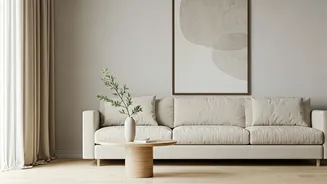
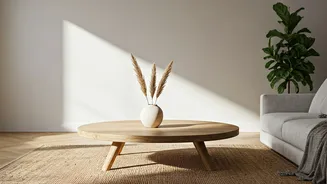
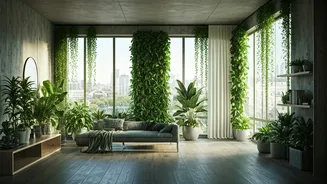
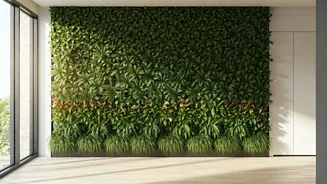
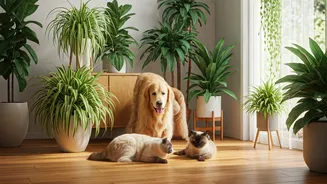
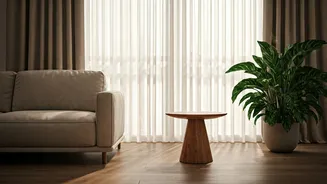
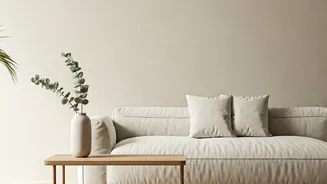
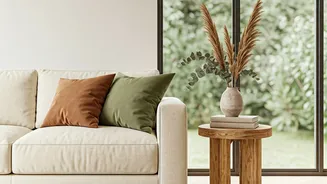
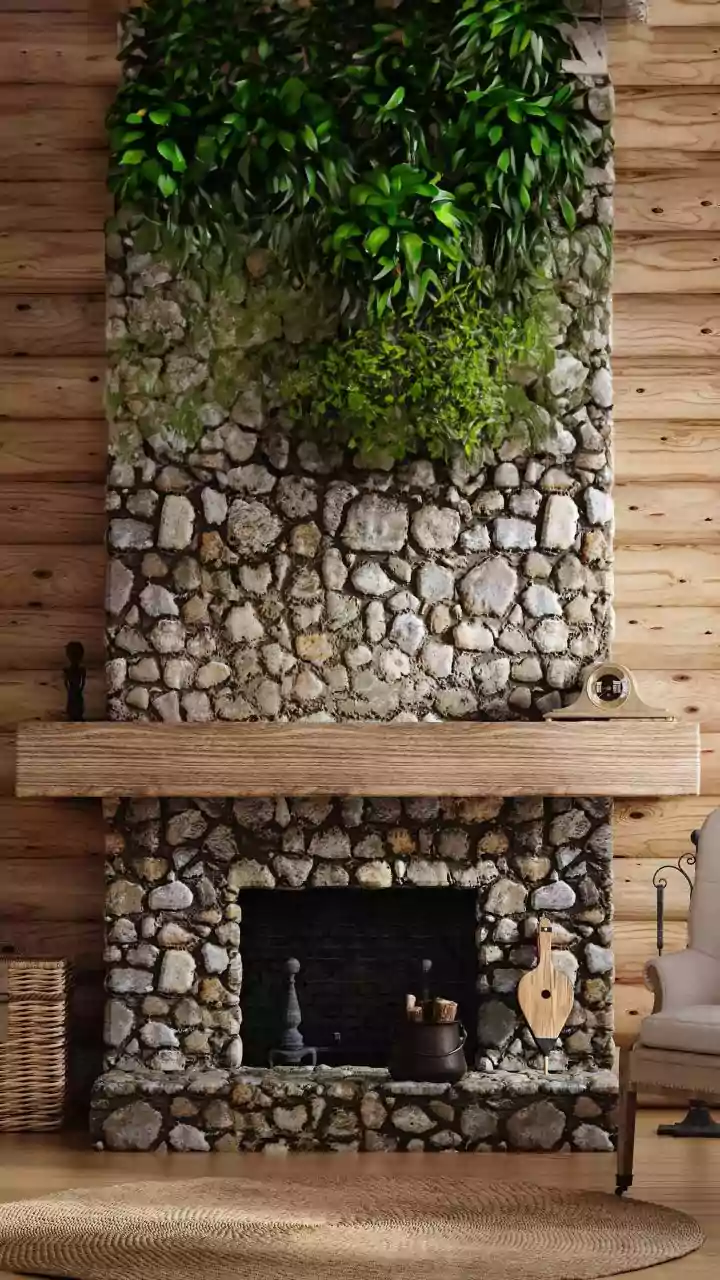
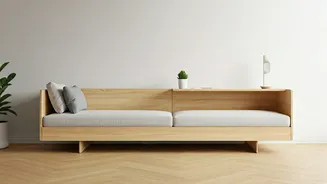
The most visible expressions of this lifestyle are still in our homes and wardrobes. In fashion, it manifests as a preference for natural, breathable fibers like organic cotton, linen, hemp, and wool. Silhouettes are often relaxed and functional, prioritizing comfort and longevity over fleeting trends. The color palette is drawn directly from nature: stone, clay, sand, forest green, and sky blue. In home decor, this translates to biophilic design—the practice of connecting people and nature within our built environments. This means filling spaces with houseplants, maximizing natural light, and using materials like unfinished wood, rattan, stone, and ceramic. The goal isn't sterile perfection but a warm, textured environment that serves as a sanctuary from the outside world.
Living the Earthy Lifestyle
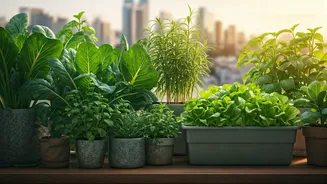
This is where the trend truly becomes a lifestyle. It’s about adopting habits and hobbies that echo the aesthetic’s core values. It’s the person who replaces a spin class with a long hike, or the family that starts a small herb garden on their apartment balcony. Food choices often pivot toward the local and seasonal, with farmers' markets becoming a weekend ritual. Wellness is redefined, moving away from high-tech gadgets and intensive workouts toward practices like meditation, yoga, and simply spending unstructured time outdoors. This lifestyle also involves a conscious step back from the frantic pace of modern life. It embraces the principles of “slow living,” favoring a home-cooked meal with friends over a crowded bar, or reading a physical book over scrolling through social media. It's a quiet rebellion against the 'more is more' culture.
Why Now? A Response to Modernity
The rise of the earthy lifestyle is no accident; it's a direct response to the pressures of contemporary American life. After years of living increasingly online, many people are experiencing a form of digital burnout and a deep-seated craving for tangible, real-world experiences. The isolation felt during the pandemic accelerated this desire, pushing us to create homes that felt like safe, nurturing havens. Furthermore, growing awareness of climate change and environmental degradation has fueled a desire for more sustainable and ethical consumption. Choosing a well-made linen shirt over a fast-fashion alternative, or buying produce from a local farm, becomes a small but meaningful act of personal responsibility. In a world that often feels chaotic and overwhelming, the earthy lifestyle offers a sense of control, purpose, and connection to something timeless and true.