







The End of the Corporate Ladder
The unspoken agreement of the 20th-century workplace was simple: dedicate your life to a company, and it would provide a stable, linear path upward. You put in the hours, climbed the ladder rung by rung, and measured success by your title and the size
of your office. That social contract has been shredded. For a growing number of Americans, particularly Millennials and Gen Z, the career ladder isn't just unappealing; it looks like a trap. Instead of asking, "What do I need to do to get the next promotion?" they're asking, "What job will give me the life I want to live?" This fundamental shift re-frames a career not as the central pillar of one's identity, but as one component of a broader, more holistic life portfolio.
More Than Just a Paycheck
While fair compensation remains crucial, it's no longer the sole, or even primary, driver for many workers. The COVID-19 pandemic acted as a massive catalyst, forcing a collective re-evaluation of what truly matters. Stripped of commutes, office rituals, and the daily grind, millions of people got a taste of autonomy and flexibility—and they are not willing to give it back. Burnout, once seen as a personal failing, is now correctly identified as an organizational problem. Recent surveys consistently show that employees rank flexible work arrangements, a positive workplace culture, and opportunities for meaningful work alongside salary. The so-called "Great Resignation" was less about people quitting work altogether and more about them quitting jobs that failed to respect their humanity.
What 'Balance' Actually Looks Like
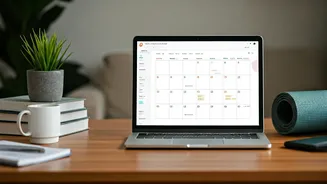
The term "work-life balance" has evolved far beyond simply leaving the office at 5 p.m. In today's context, it’s a shorthand for a suite of conditions that give employees control over their time and energy. This includes the freedom to choose remote, hybrid, or in-office work. It’s about flexible hours that allow a parent to attend a school play without penalty, or a fitness enthusiast to hit a mid-day gym class. It's about companies that offer generous paid time off and, more importantly, cultivate a culture where using that time is encouraged, not stigmatized. Progressive organizations are experimenting with four-day workweeks, asynchronous communication to combat Zoom fatigue, and robust mental health benefits. Balance is no longer a perk; it's an expectation for a functional and respectful workplace.
The New Career Blueprint
This shift is fundamentally rewriting the rules of career planning. Instead of a linear climb, careers now look more like a jungle gym, with lateral moves, intentional downshifts, and even planned sabbaticals becoming common. A lawyer might leave a high-pressure firm for an in-house counsel role that pays less but offers a 40-hour week. A marketing manager may turn down a promotion to protect the remote-work arrangement that allows them to live in a more affordable city. This has also fueled the rise of "job crafting," where employees actively reshape their roles to better align with their skills and passions, and the pursuit of side hustles that provide a creative outlet or an independent income stream. Success is no longer defined by a title, but by a sense of autonomy, purpose, and integration with personal life.
A Wake-Up Call for Employers
Companies that dismiss this trend as a passing phase or a sign of a lazy workforce do so at their peril. The data is clear: organizations that refuse to adapt are facing a brutal reality of high turnover, low morale, and a shrinking pool of qualified applicants. In a tight labor market, the power has shifted. Businesses that embrace flexibility, trust their employees, and prioritize output over hours logged are becoming magnets for top talent. They understand that a well-rested, fulfilled employee is a more creative, productive, and loyal employee. The challenge for managers is to unlearn decades of management theory built around presence and surveillance, and to learn how to lead with trust, clarity, and empathy.